

Are you worried about your outdoor wood toys losing their charm and durability? These toys bring joy and creativity to children, but exposure to the elements can quickly wear them down.
You don’t want those delightful treasures to fade or break. Imagine the disappointment on your child’s face when their favorite wooden playmate becomes unusable. Protecting your outdoor wood toys isn’t just about maintaining their appearance; it’s about safeguarding the memories and adventures they inspire.
By taking a few simple steps, you can ensure these toys remain a vibrant part of your child’s playtime for years to come. Curious to learn how? Read on to discover easy and effective ways to keep your outdoor wood toys in pristine condition.
Choosing Durable Wood
Choosing durable wood is essential for outdoor wood toys. Durable wood withstands weather changes better. It prevents cracking, warping, and rotting. This keeps toys safe and long-lasting for children to enjoy.
Durability depends on the type of wood. Some woods naturally resist moisture and insects. Others absorb water and break down quickly. Picking the right wood helps protect your outdoor toys.
Best Wood Types For Outdoors
Hardwoods are the best choice for outdoor toys. They are dense and resist damage. Some popular hardwoods include:
- Teak – naturally oily and water-resistant
- Cedar – repels insects and resists rot
- Redwood – strong and weather-resistant
- White oak – dense and durable
These woods last longer without heavy treatment. They keep toys safe from rain and sun.
Avoiding Softwoods
Softwoods like pine and spruce are less durable outdoors. They soak up water quickly. This leads to swelling and decay. They often need extra sealing to last longer.
Softwoods also dent and scratch easily. Kids’ play can damage softwood toys fast. Avoid softwoods for better outdoor toy protection.

Credit: www.reddit.com
Applying Protective Finishes
Applying protective finishes is key to keeping outdoor wood toys safe and durable. These finishes create a barrier that shields the wood from moisture, dirt, and sunlight. Proper protection extends the life of toys and keeps them looking great longer.
Choosing the right finish matters. It should protect without harming children who play with the toys. Regular care and maintenance also play an important role in preserving the wood’s quality over time.
Using Non-toxic Sealants
Non-toxic sealants protect wood without harmful chemicals. Look for water-based or natural oil finishes that are safe for kids. These sealants stop water from soaking in and prevent cracks or warping.
Apply sealants evenly with a brush or cloth. Let each coat dry fully before adding another. Multiple thin coats work better than one thick layer. This approach gives better protection and a smooth finish.
Reapplying Coatings Regularly
Outdoor toys face sun, rain, and rough play. Protective finishes can wear off over time. Check the wood often for signs of fading or dryness.
Reapply sealants every few months or as needed. Clean the toy surface before applying new coats. This keeps the wood sealed and strong. Regular reapplication prevents damage and keeps toys safe for children to use.
Proper Cleaning Techniques
Keeping your outdoor wood toys clean is essential to maintain their beauty and durability. Proper cleaning techniques help you avoid damage and keep the toys safe for your children to enjoy. Let’s dive into how to clean these toys effectively without causing harm.
Safe Cleaning Solutions
Using the right cleaning solutions is key. Harsh chemicals can strip the wood’s natural oils, leading to cracks and splinters. Instead, try gentle options like mild dish soap mixed with warm water.
Spray or wipe the solution onto the toy with a soft cloth or sponge. Avoid soaking the wood to prevent warping. After cleaning, rinse with clean water and dry thoroughly with a towel.
Have you ever tried vinegar as a natural cleaner? A diluted mix of white vinegar and water works well to disinfect without damaging the wood’s surface. Just remember to test a small area first to ensure no discoloration occurs.
Preventing Mold And Mildew
Outdoor wood toys are prime spots for mold and mildew, especially in damp conditions. The best defense is to keep the toys dry and stored in a well-ventilated area after use.
If you spot mold, scrub the area gently with a soft brush and a solution of water and baking soda or vinegar. This helps kill spores without harsh chemicals.
Consider applying a child-safe wood sealant or oil periodically. These create a protective barrier that reduces moisture absorption and inhibits mold growth. Would you agree that a little extra effort now saves you from costly repairs later?

Credit: www.workshop.bunnings.com.au
Storage And Maintenance Tips
Protecting outdoor wood toys requires more than just occasional cleaning. Proper storage and maintenance are key to keeping them looking good and lasting longer. Let’s dive into practical ways you can care for your toys after playtime.
Keeping Toys Dry
Wood and moisture don’t mix well. Leaving toys wet can cause them to warp, crack, or even grow mold. Make sure to wipe down your toys with a dry cloth right after they’ve been outside in the rain or after a water play session.
Consider placing toys on raised shelves or pallets to avoid direct contact with damp ground. If you notice any water pooling on the surface, quickly dry it off to prevent damage. Have you checked the hidden spots lately? Water can sneak into joints and cracks, so a thorough dry is always best.
Seasonal Storage Advice
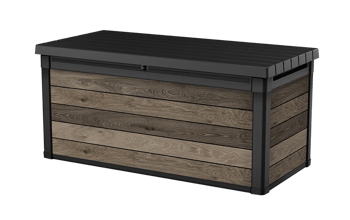
As seasons change, so should how you store outdoor wood toys. During colder months, store toys in a dry, sheltered area like a garage or shed to protect them from harsh weather. If you don’t have indoor space, use waterproof covers that allow air circulation to avoid trapping moisture.
Before storing for winter, give your toys a light sanding and apply a protective finish like natural oil or a child-safe sealant. This little extra effort can prevent peeling and cracking over time. Have you ever noticed how some toys survive winter better than others? It’s often because of smart seasonal care.
Credit: www.keter.com
Frequently Asked Questions
How Often Should I Treat Outdoor Wood Toys?
Treat outdoor wood toys every 6 to 12 months. Regular treatment prevents moisture damage and extends toy life. Use child-safe sealants or natural oils for best protection.
What Is The Best Finish For Wood Toys Outside?
Non-toxic, water-resistant finishes like natural oils or child-safe sealants work best. Avoid harsh chemicals to keep toys safe and durable in outdoor conditions.
How Can I Prevent Wood Toys From Cracking Outdoors?
Keep toys dry and regularly apply protective oil or sealant. Store them in shaded, ventilated areas to minimize exposure to sun and moisture.
Is Sanding Necessary Before Treating Wood Toys?
Yes, sanding smooths rough edges and improves finish adhesion. Use fine-grit sandpaper gently before applying any protective coating for safer and longer-lasting wood toys.
Conclusion
Protecting outdoor wood toys keeps them safe and fun longer. Clean toys often to stop dirt and damage. Use natural oils or sealants to guard wood. Store toys in dry places when not in use. Check toys regularly for cracks or splinters.
Small efforts help toys stay strong and beautiful. Enjoy outdoor play with safe, well-kept wood toys. Simple care makes a big difference every day.