

Are you struggling to get your educational toys noticed in a crowded market? You know your products can help kids learn and grow, but how do you make sure parents and teachers see their true value?
Marketing educational toys isn’t just about selling a product—it’s about connecting with your audience’s emotions and needs. You’ll discover simple yet powerful strategies to grab attention, build trust, and turn interest into sales. Ready to make your educational toys stand out and reach the right buyers?
Let’s dive in.
Targeting The Right Audience
Targeting the right audience is key to marketing educational toys effectively. Each group has unique needs and interests. Understanding these helps tailor messages and offers that connect well. This approach increases chances of sales and brand loyalty.
Parents And Caregivers
Parents and caregivers want toys that support learning and fun. They look for safe, durable, and age-appropriate products. Highlight benefits like skill development and creativity. Show how toys fit into daily routines and help children grow.
Use clear language and relatable examples. Share testimonials and reviews from other parents. Provide tips on how to use the toys at home. Focus on making life easier and playtime meaningful.
Educators And Schools
Educators and schools seek tools that align with educational goals. They prefer toys that enhance lessons and encourage teamwork. Showcase how toys support curriculum standards and learning outcomes.
Offer demonstrations and sample kits. Provide training materials or guides for teachers. Stress the educational value and ease of use. Build trust by highlighting research or expert endorsements.
Retailers And Distributors
Retailers and distributors want products that sell well and attract customers. They need clear information on pricing, demand, and marketing support. Provide attractive packaging and promotional materials.
Share market trends and customer feedback. Offer flexible order options and reliable supply chains. Build strong relationships through consistent communication. Help them understand the product’s unique selling points.
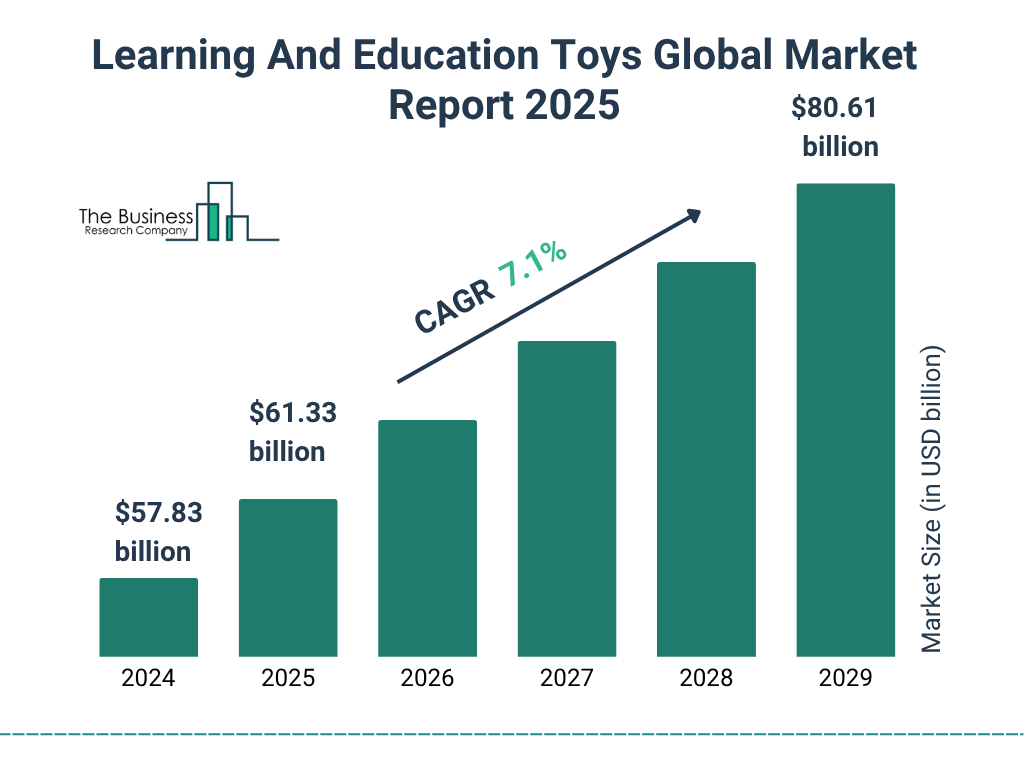
Credit: www.thebusinessresearchcompany.com
Crafting Effective Messaging
Crafting effective messaging is key to marketing educational toys. Clear, simple messages help parents and educators understand the toy’s value. The right words can show how a toy supports learning and fun at the same time.
Strong messaging focuses on what makes the toy special. It connects with the buyer’s needs and answers their questions. This section explores how to create messages that attract and convince your audience.
Highlighting Educational Benefits
Talk about what children learn using the toy. Mention skills like problem-solving, creativity, or fine motor development. Use short, clear phrases to explain these benefits.
- Boosts critical thinking and reasoning
- Encourages hands-on learning
- Supports early math and language skills
Parents want toys that help their kids grow smart and confident. Show how the toy fits into their child’s learning journey.
Using Engaging Visuals
Pictures and videos grab attention fast. Show children playing and learning with the toy. Use bright, clear images that highlight the toy’s features.
- Close-ups of the toy’s parts and details
- Happy kids using the toy in real settings
- Step-by-step guides or demo videos
Visuals make the message stronger and easier to understand. They help buyers imagine the toy in their home or classroom.
Building Trust With Testimonials
Share reviews from parents, teachers, or experts. Real experiences build confidence in the product. Keep testimonials honest and easy to read.
- Quotes highlighting learning improvements
- Stories about how the toy helped children
- Endorsements from educators or child development specialists
Trustworthy testimonials reduce doubts and encourage purchases. They show the toy works well for real families.
Leveraging Digital Marketing
Digital marketing offers powerful tools to reach parents, educators, and caregivers who are eager to find the best educational toys for children. You can create meaningful connections and build trust by sharing valuable content and engaging directly with your audience online. Let’s look at some practical ways to make digital marketing work for your educational toy business.
Social Media Campaigns
Social media platforms are where your audience spends a lot of time. Use these channels to showcase your toys in action, highlighting how they stimulate learning and creativity. Short videos demonstrating a toy’s unique features or user-generated content from happy customers can catch attention quickly.
Try interactive posts like polls or quizzes that relate to child development to get parents involved. Have you considered running contests where followers share photos of their kids playing with your toys? This not only boosts engagement but creates authentic social proof.
Influencer Partnerships
Partnering with influencers who focus on parenting, education, or child development can extend your reach dramatically. Look for micro-influencers with loyal followings; their recommendations often feel more personal and trustworthy.
Instead of just gifting products, collaborate on meaningful content such as live demos, honest reviews, or educational tips that incorporate your toys naturally. What kind of influencer content do you think resonates best with your target audience—videos, blog posts, or social media stories?
Content Marketing Strategies
Content marketing lets you position your brand as a helpful resource, not just a seller. Create blog posts, guides, and videos that answer common questions parents have about child development and learning through play.
For example, a blog post titled “5 Ways Educational Toys Boost Problem-Solving Skills” can draw in parents searching for practical advice. Keep your content clear, actionable, and shareable so it reaches more people organically.

Credit: market.us
Optimizing Sales Channels
Optimizing your sales channels is crucial to reaching the right audience and boosting your educational toys’ visibility. You want to make it easy for parents, teachers, and caregivers to find and purchase your products wherever they prefer to shop. This means carefully choosing where and how you sell your toys to maximize impact and sales.
E-commerce Platforms
Online sales are often the first stop for many buyers today. Setting up your products on popular e-commerce platforms like Amazon, Etsy, or specialty toy websites can expose your brand to a huge audience instantly. Use clear, high-quality images and detailed descriptions that highlight the educational benefits of your toys.
Consider offering customer reviews and Q&A sections to build trust. Have you checked how your competitors present their toys online? Learn from their strengths and weaknesses to make your listings stand out.
In-store Promotions
Physical stores still hold a lot of power in toy sales. Partner with local toy stores, educational supply shops, and even bookstores to get your products on their shelves. Eye-catching displays and demonstrations can convince shoppers of the value your toys bring.
Running special promotions like “buy one, get one free” or offering bundled deals encourages customers to try more than one product. Have you tried collaborating with store staff to train them on your toys’ unique learning features? Well-informed employees can become your best advocates.
Participating In Educational Events
Events like school fairs, parenting expos, and educational workshops offer direct access to your target market. Setting up a booth allows you to showcase your toys in action and answer questions face-to-face. This personal connection often leads to stronger customer interest and loyalty.
Don’t just hand out flyers—engage attendees with interactive demonstrations and fun activities using your toys. Ask yourself, how can you make your booth memorable enough that people talk about it long after the event ends?

Credit: www.prnewswire.com
Frequently Asked Questions
What Are The Best Channels To Market Educational Toys?
The best channels include social media, parenting blogs, and educational forums. Use targeted ads on Facebook and Instagram. Collaborate with influencers and educators to build trust and reach your audience effectively.
How Can I Highlight Educational Value In Toy Marketing?
Focus on learning benefits like skill development and creativity. Use clear, concise descriptions and testimonials. Show how the toy supports child growth and cognitive skills to attract parents and educators.
Why Is Targeting Parents Important For Educational Toy Sales?
Parents are primary buyers who prioritize learning benefits. Targeting them ensures your message reaches decision-makers. Use relatable content that addresses their concerns and highlights safety, durability, and educational impact.
How Do Reviews Impact Marketing Educational Toys?
Positive reviews build trust and credibility. They influence buyer decisions by showcasing real experiences. Encourage satisfied customers to leave honest feedback and share their stories to boost your product’s reputation.
Conclusion
Marketing educational toys requires creativity and patience. Understand your audience well. Use social media to reach parents effectively. Share engaging stories about the toys. Highlight benefits for child development. Collaborate with educational influencers for credibility. Attend local events to showcase products.
Offer promotions that attract attention. Consistent efforts lead to success over time. Keep learning and adapting to market trends. Building trust with customers is key. Engage with feedback and improve offerings. These strategies foster growth in the educational toy market.
Success comes from dedication and smart marketing. Stay committed, and results will follow.