

Are you curious about how those fascinating electronic toys come to life? Imagine holding the power to create the very gadgets that captivate the minds of children and adults alike.
You’ll discover the step-by-step process of manufacturing electronic toys, unraveling the secrets behind their magic. From concept to production, you’ll learn how to turn a simple idea into a tangible, buzzing toy that sparks joy and imagination. By the end, you’ll have the knowledge to dive into the world of toy manufacturing, armed with insights to make your own mark in this exciting industry.
So, are you ready to unlock the secrets of electronic toy creation and possibly ignite a passion that could turn into a thriving business? Let’s get started!
Designing Electronic Toys
Designing electronic toys is a crucial step in the manufacturing process. This stage shapes the toy’s look, function, and user experience. A strong design combines creativity with technical skills. It ensures the toy is safe, fun, and reliable for children.
Concept Creation
Concept creation begins with brainstorming ideas. Designers think about the toy’s target age group and interests. They focus on themes that attract children, such as animals, robots, or vehicles. Sketches and storyboards help visualize the toy’s features. This phase sets the foundation for the entire project.
Circuit Design
Circuit design forms the toy’s electronic brain. Engineers select components like sensors, chips, and batteries. They create circuits that control lights, sounds, or movements. Safety is key; circuits must be low voltage and child-friendly. Software programming may be involved to add interactive functions.
Prototype Development
Prototyping turns concepts into real models. Designers build physical samples using 3D printing or handcrafting parts. Prototypes test the toy’s mechanics and electronics. This stage reveals design flaws and areas for improvement. Feedback from testers helps refine the toy before mass production.

Credit: www.youtube.com
Sourcing Components
Sourcing components is a key part of making electronic toys. It involves choosing the right parts that are safe, reliable, and fit the toy’s design. Good sourcing helps keep costs low and ensures the toy works well. It also affects how fast you can make the toys and how happy customers will be.
Selecting Materials
Choose materials that are safe for children. Use non-toxic plastics and metals. Parts should be strong but light. Electronic parts need to match the toy’s function. Batteries must last long and be safe. Look for materials that meet safety rules in your market.
Finding Suppliers
Find suppliers with good reputations. Check if they deliver on time. Ask about their quality control processes. Local suppliers can reduce shipping time and cost. Overseas suppliers may offer lower prices but require more checks. Build relationships with suppliers for better deals and support.
Quality Checks
Test components before assembly. Check for defects or damage. Verify electronic parts work correctly. Use tools like multimeters for testing circuits. Inspect plastic parts for cracks or sharp edges. Keep records of quality tests. Reject parts that do not meet standards to avoid faulty toys.
Assembly Process
The assembly process is where all the components of your electronic toy come together to create a functional and engaging product. This stage demands precision and careful coordination to ensure every part fits perfectly and operates as expected. Let’s break down the key steps involved in this crucial phase.
Pcb Assembly
The Printed Circuit Board (PCB) is the heart of any electronic toy. During PCB assembly, you attach electronic components like resistors, capacitors, and microchips onto the board. Automated machines usually place these parts, but some small runs might require manual soldering.
Ensuring correct placement is vital because even a tiny mistake can cause the toy to malfunction. Have you ever encountered a gadget that just wouldn’t turn on? Often, it’s due to a poorly assembled PCB.
Mechanical Construction
This step involves building the toy’s physical structure. You assemble the casing, wheels, buttons, or moving parts that make the toy interactive. Using durable materials here helps the toy withstand rough play.
During this phase, double-check that all mechanical parts align properly with the electronic components. Imagine a button that doesn’t press down correctly—this can ruin the user experience instantly.
Testing And Calibration
Once assembly is complete, testing ensures the toy works as intended. You’ll verify functions such as sound, movement, and light responses. Calibration might involve adjusting sensors or fine-tuning motor speeds to get everything just right.
Ask yourself: Does the toy react the way kids expect it to? Catching issues at this stage saves time and cost on future repairs or returns.
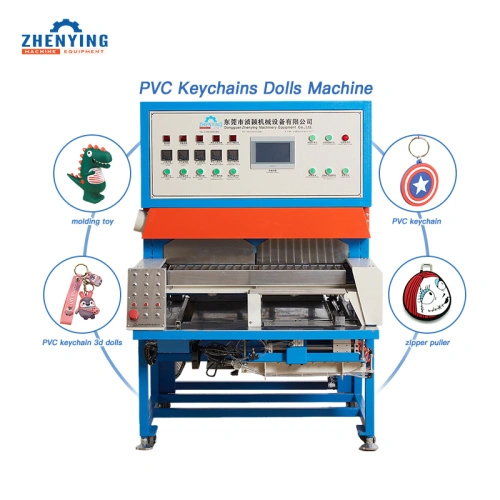
Credit: www.zymachines.com
Packaging And Distribution
Packaging and distribution play a vital role in the success of electronic toys. Proper packaging protects the product during transit and attracts customers. Efficient distribution ensures timely delivery to retailers or buyers. Both factors influence customer satisfaction and brand reputation.
Packaging Design
Packaging must be sturdy and visually appealing. Use strong materials to avoid damage. Include clear images and simple text to explain the toy’s features. Bright colors catch children’s attention. Design packaging to be easy to open but secure enough to prevent tampering.
Compliance And Safety
Packaging must follow safety regulations. Use non-toxic materials safe for children. Include warning labels and age recommendations clearly. Make sure packaging passes tests for durability and chemical safety. Meeting these standards protects the company from legal issues and builds trust with buyers.
Shipping Logistics
Plan shipping routes for fast delivery. Choose reliable carriers with good tracking systems. Use pallets or boxes sized for efficient storage and transport. Keep shipment records organized. Monitor shipments to avoid delays or losses. Proper logistics reduce costs and keep customers happy.

Credit: www.youtube.com
Frequently Asked Questions
What Materials Are Needed To Manufacture Electronic Toys?
Electronic toys require plastic casings, circuit boards, batteries, sensors, and small electronic components. High-quality materials ensure durability and safety for children during play.
How Do You Design Electronic Toy Circuits?
Design circuits using schematic software, focusing on low power consumption and safety. Test prototypes thoroughly to ensure functionality and child safety compliance.
What Safety Standards Apply To Electronic Toy Manufacturing?
Manufacturers must follow ASTM F963, EN71, and CPSIA standards. These ensure electrical safety, non-toxicity, and mechanical durability to protect children from harm.
How Is Quality Control Maintained In Electronic Toy Production?
Quality control involves testing components, assembly checks, and final product inspections. Consistent testing prevents defects and ensures toys meet regulatory and performance standards.
Conclusion
Manufacturing electronic toys takes careful planning and skill. You need to choose safe materials and test each part well. Creating clear designs helps avoid mistakes and saves time. Keeping quality high ensures toys work and last longer. Following these simple steps can help you build toys kids enjoy.
Stay patient and keep improving your process. The effort brings great results in the end.