

Are you looking for fun and creative ways to help your child learn at home? Making homemade educational toys is a simple and rewarding way to boost your child’s development.
Imagine toys that not only entertain but also teach important skills like problem-solving, creativity, and critical thinking. You’ll discover easy ideas and step-by-step instructions to create toys using everyday items. By the end, you’ll have everything you need to turn playtime into a powerful learning experience your child will love.
Let’s get started!
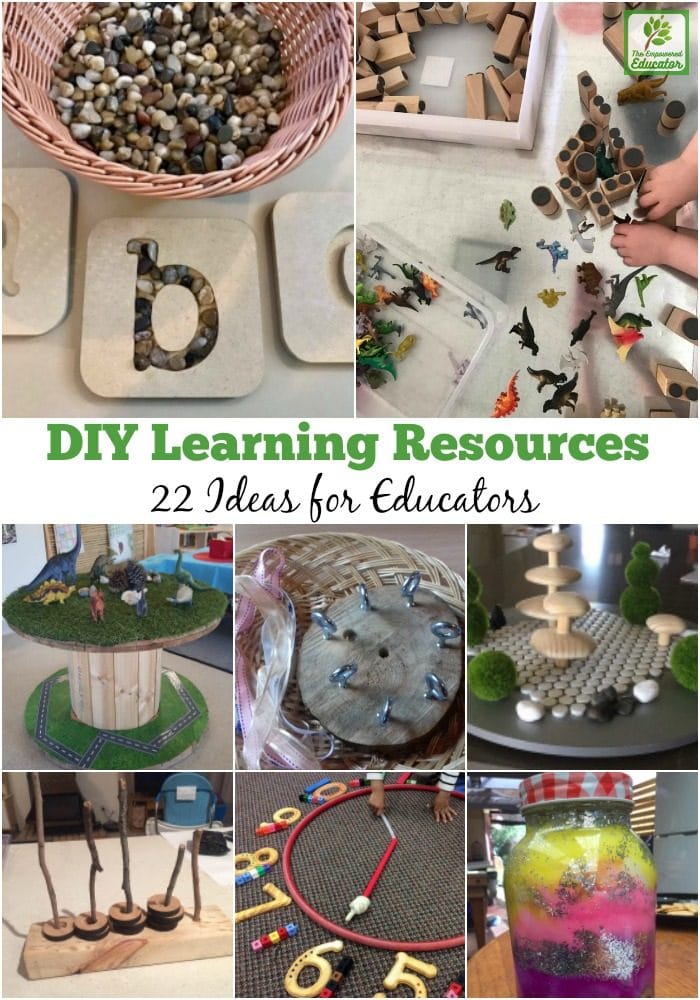
Credit: www.theempowerededucatoronline.com
Benefits Of Homemade Toys
Homemade educational toys offer more than just playtime fun. They provide meaningful learning experiences tailored to your child’s needs. When you create toys yourself, you control the materials, complexity, and themes, making each item unique and impactful.
Cost-effective Learning Tools
Buying educational toys can quickly add up. Making your own saves money without sacrificing quality or engagement. Simple household items like cardboard, fabric scraps, or buttons can turn into fantastic learning aids.
Have you ever noticed how much you spend on toys that your child uses for only a few days? Homemade toys stretch your budget while keeping your child interested longer.
Encourages Creativity And Problem Solving
Building toys encourages your child to think creatively. Each homemade toy can be customized to challenge different skills, such as counting, sorting, or fine motor coordination. Watching your child figure out how to play with a toy you’ve made together can be truly rewarding.
What better way to spark imagination than by giving your child tools that you crafted specifically for them?
Enhances Parent-child Bonding
Making toys together creates shared memories and strengthens your connection. It shows your child that their learning matters to you and that you’re willing to invest time and effort in their growth. These moments often lead to deeper conversations and trust.
Have you tried crafting with your child? The simple act of creating can open doors to meaningful interaction that store-bought toys rarely provide.
Promotes Environmental Responsibility
Using recycled and natural materials reduces waste and teaches your child about caring for the planet. Homemade toys often require fewer plastics and chemicals than commercial ones. This choice aligns playtime with eco-friendly values you want to pass on.
What impact do you think your choices have on your child’s view of the environment?
Materials You Need
Creating homemade educational toys is simple and fun. The right materials make the process easy and enjoyable. Most items are safe and easy to find around the house or in stores. Using common materials saves money and sparks creativity.
Choose materials that are safe for children and easy to handle. Soft textures and bright colors catch their attention. Durable supplies help toys last longer during playtime.
Basic Craft Supplies
- Colored paper or cardstock
- Child-safe scissors
- Non-toxic glue or tape
- Markers, crayons, or colored pencils
- Pipe cleaners and popsicle sticks
Household Items
- Empty cardboard boxes
- Plastic bottle caps
- Old buttons and fabric scraps
- Egg cartons
- Yarn or string
Learning Tools
- Alphabet and number stickers
- Small magnets
- Measuring cups and spoons
- Simple puzzles or shapes
- Printable worksheets or templates
Simple Diy Toy Ideas
Simple DIY toy ideas bring joy and learning into your home. They use everyday items. These toys help children explore and develop new skills. Making toys at home is fun and saves money. Kids enjoy playing with toys made by their parents.
Sensory Bottles
Sensory bottles are easy to create and great for little hands. Fill a clear bottle with water, glitter, beads, or small toys. Seal the lid tightly to keep everything inside. Kids watch the colors and objects move. These bottles calm children and improve focus. Changing the contents keeps the experience fresh.
Puzzle Boards
Puzzle boards help children with problem-solving and hand-eye coordination. Use a piece of wood or thick cardboard as the base. Cut shapes or pictures from paper or foam. Attach Velcro or magnets on the back. Kids fit the pieces onto the board. This toy encourages thinking and fine motor skills. Customize puzzles with animals, shapes, or numbers.
Alphabet Blocks
Alphabet blocks teach letters and sounds in a fun way. Use wooden blocks or cardboard squares. Write letters clearly on each side. Paint or color the blocks for extra appeal. Kids stack, sort, and spell simple words. These blocks build early reading skills. Change the letters to match your child’s learning pace.
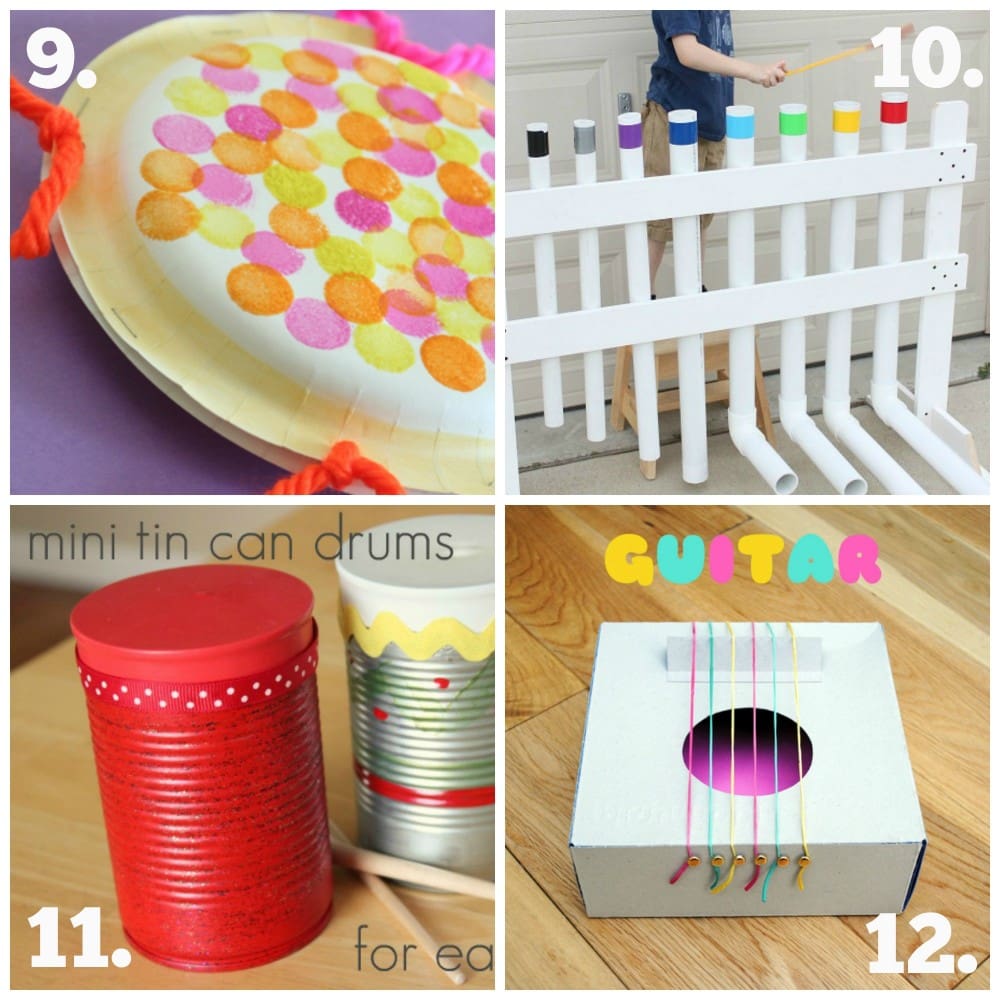
Credit: www.theempowerededucatoronline.com
Tips For Safe Toy Making
Making homemade educational toys is a rewarding way to engage your child’s mind while saving money. However, safety must be your top priority throughout the process. Ignoring simple precautions can turn a fun project into a risky one, so it’s crucial to keep these tips in mind.
Choose Non-toxic Materials
Your child will handle these toys frequently, so selecting safe materials matters greatly. Avoid paints, glues, and plastics that contain harmful chemicals like lead or BPA. Look for products labeled as non-toxic or specifically made for children.
I once used a brightly colored paint without checking the label, and my child’s skin broke out in a rash. Since then, I always double-check material safety before starting any project.
Ensure All Parts Are Secure
Toys with loose parts can pose choking hazards. Make sure all pieces are firmly attached and cannot be pulled off easily. Use strong adhesives or screws designed for children’s products.
If a toy has buttons or beads, ask yourself: could my child swallow this? If the answer is yes, redesign or avoid using those parts.
Avoid Sharp Edges And Small Pieces
Check every toy for sharp corners or points that could cause cuts or injuries. Sand down rough wooden edges or cover them with soft materials. Keep small parts to a minimum, especially for toddlers who tend to put things in their mouths.
One time, I made a puzzle with small wooden pieces, but my toddler managed to swallow one. Now I only use larger components or supervise play closely.
Test Toys Regularly
After making your toy, test it thoroughly to ensure it holds up during play. Apply pressure, try pulling parts apart, and watch how it behaves. If anything seems weak or unsafe, fix it immediately before giving it to your child.
Testing early helped me discover a glued part that was coming loose, preventing a potential accident.
Keep Age Appropriateness In Mind
Design toys suitable for your child’s developmental stage. Younger children need simpler, bigger, and safer toys, while older kids can handle more complex designs. Age-appropriate toys encourage learning without frustration or danger.
Ask yourself: will this toy match my child’s current skills and interests? If not, modify it accordingly.
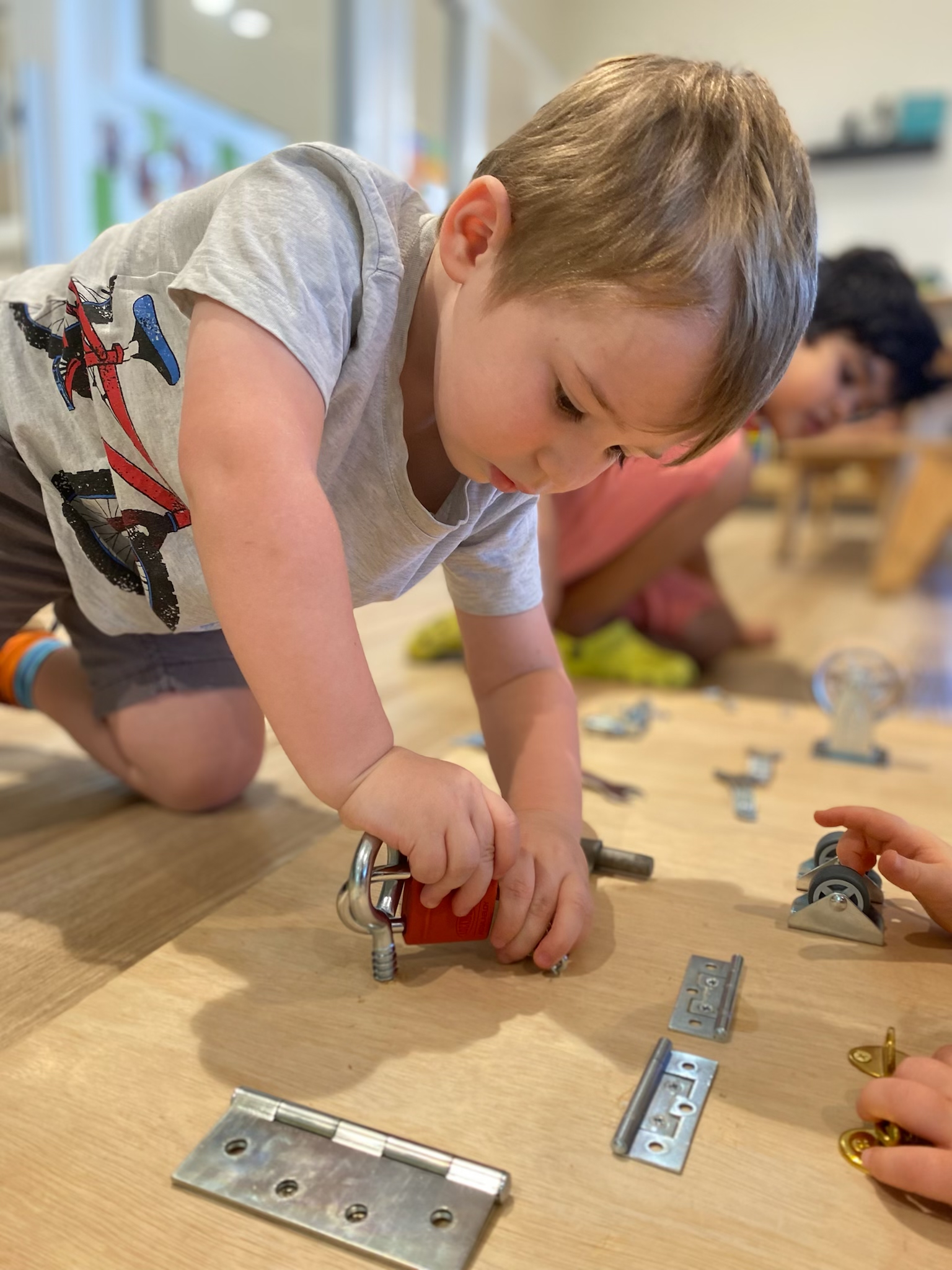
Credit: edgeearlylearning.com.au
Frequently Asked Questions
What Materials Are Best For Homemade Educational Toys?
Use safe, non-toxic materials like wood, fabric, cardboard, and recycled items. These are durable and child-friendly. Simple household items also work well for creative learning toys.
How Do Homemade Toys Improve Child Development?
They encourage creativity, problem-solving, and fine motor skills. Homemade toys also promote hands-on learning and personalized play tailored to a child’s interests.
Can I Customize Educational Toys At Home?
Yes, homemade toys can be tailored to your child’s age and learning goals. Customization enhances engagement and supports specific developmental milestones effectively.
Are Homemade Educational Toys Cost-effective?
Absolutely! They are budget-friendly since they use everyday materials. Making toys at home saves money while providing meaningful, educational play experiences.
Conclusion
Creating homemade educational toys is a rewarding activity. It fosters creativity and learning in children. Simple materials can transform into fun, educational items. Kids learn better through play. Homemade toys offer endless learning opportunities. They also strengthen bonds between parents and children.
Crafting toys at home saves money. Plus, it ensures toys are safe and personalized. Enjoy the process. Watch your child’s imagination soar. Start crafting today. Make learning fun and memorable. Your child will thank you for it.