

Are you looking for a fun and creative way to help your child learn while caring for the planet? Making educational toys from recycled materials is a simple and rewarding way to do just that.
Not only will you save money, but you’ll also spark your child’s imagination and curiosity. You’ll discover easy steps and clever ideas to turn everyday items into engaging learning tools. Keep reading to unlock the secrets of crafting toys that teach and inspire—right from your own home.

Credit: www.shutterstock.com
Choosing Safe Recycled Materials
Choosing safe recycled materials is crucial when making educational toys. Safety protects children from harm and keeps parents worry-free. Only use materials that are clean and free from sharp edges or small parts that could be swallowed. Check each item carefully before using it in any toy project.
Recycled materials can be fun and educational if chosen wisely. Focus on items that are sturdy and easy to handle. Avoid anything that might break easily or release harmful substances. Safety should always come first in every step of crafting.
Common Household Items To Repurpose
- Cardboard boxes and tubes from paper towels or toilet paper
- Plastic containers and bottle caps
- Old fabric scraps and socks
- Buttons, beads, and unused craft supplies
- Wooden spoons and small pieces of wood
- Paper rolls and magazines for cut-out shapes
These items are easy to find and safe with proper cleaning. They offer many possibilities for creative play and learning.
Ensuring Non-toxic And Child-friendly Supplies
- Use water-based paints and glues labeled non-toxic
- Avoid materials with lead, BPA, or harmful chemicals
- Choose natural fibers like cotton or wool for fabric parts
- Wash all items thoroughly before use
- Check toy parts regularly for wear and tear
- Never use broken or sharp objects
Always read labels on recycled supplies. Safety testing is important for every material added. This ensures the toy stays safe for children to enjoy.
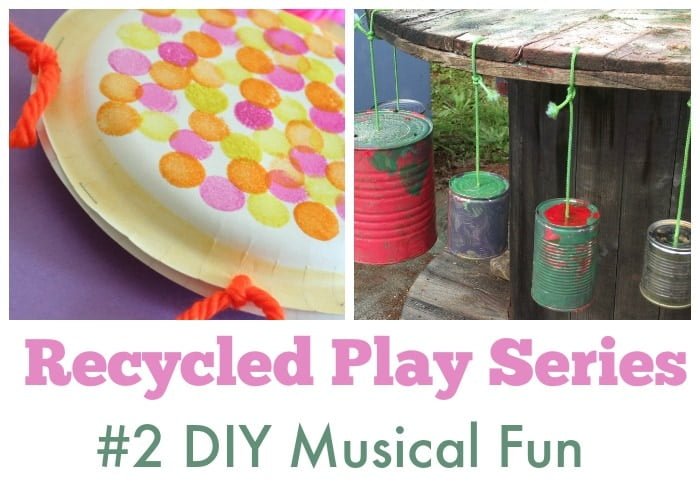
Credit: www.theempowerededucatoronline.com
Simple Educational Toy Projects
Simple educational toy projects make learning fun and eco-friendly. Recycled materials help create toys that teach basic skills. These projects use items from around the house. They encourage creativity and save money.
Each toy focuses on a different learning area. Alphabet blocks help with letters and reading. Counting beads introduce numbers and math. Shape sorters teach shapes and problem-solving. These toys are easy to make and safe for children.
Building Alphabet Blocks
Gather small cardboard boxes or wooden scraps. Cut them into uniform cube shapes. Paint each block with bright colors. Use markers or stickers to add letters. Focus on uppercase or lowercase letters. Let children stack, spell, and learn letters.
- Use old cereal boxes for lightweight blocks.
- Cover blocks with tape for durability.
- Encourage kids to arrange blocks into words.
Creating Counting Beads
Collect bottle caps, pasta, or beads from old jewelry. Thread them onto yarn or string. Use different colors to represent numbers. Group beads in fives or tens. Help children count and sort beads by color. This improves math skills and hand coordination.
- Use recycled straws cut into short pieces.
- Make multiple strings for addition practice.
- Store beads in small recycled containers.
Crafting Shape Sorters
Find sturdy cardboard or plastic containers. Cut holes in shapes like circles, squares, and triangles. Create matching shapes from cardboard scraps. Let children fit shapes into the right holes. This activity enhances shape recognition and motor skills.
- Use an old shoebox for the base.
- Decorate with colorful paper or paint.
- Label shapes with names for extra learning.
Enhancing Learning Through Play
Enhancing learning through play transforms simple recycled materials into powerful educational tools. When children engage with toys made from everyday items, they don’t just play—they discover. This hands-on approach helps children connect ideas with real-world objects, making learning memorable and fun.
Incorporating Colors And Numbers
Using recycled materials, you can create toys that teach colors and numbers in a playful way. Paint old bottle caps in bright colors and number them to make counting games. Kids enjoy sorting these caps by color or arranging them in number order, which sharpens both their color recognition and basic math skills.
Have you tried making a color wheel from cardboard scraps? It’s a simple tool that teaches color mixing and matching. Let your child spin the wheel and explore how colors change—this turns learning into a colorful experiment right at home.
Encouraging Problem-solving Skills
Problem-solving grows naturally when children figure out how to use toys made from recycled items. For instance, building a marble run from cardboard tubes challenges them to think about gravity and design. Adjusting the tubes to keep the marble rolling smoothly encourages trial and error, a key learning process.
Another idea is creating puzzles from old magazines glued onto cardboard. Cutting them into pieces and asking your child to reassemble the picture boosts critical thinking and patience. What small changes can you make to increase the difficulty and keep their curiosity alive?

Credit: www.youtube.com
Tips For Safe And Fun Crafting
Crafting educational toys from recycled materials is fun and eco-friendly. Safety and enjoyment must come first. Simple tips help keep kids safe and engaged. These tips also make toys last longer and stay clean.
Tools And Techniques For Kids
Choose child-safe tools like blunt scissors and non-toxic glue. Avoid small parts that can be swallowed. Use easy techniques like cutting, gluing, and painting. Let children use their hands to explore textures. Supervise closely to prevent accidents. Teach kids to handle tools gently and carefully.
Maintaining Durability And Cleanliness
Use sturdy recycled materials like cardboard and plastic containers. Seal edges with tape or glue to avoid sharp points. Clean materials before use to remove dirt and germs. Use washable paints and markers for easy cleaning. Store toys in a dry place to avoid mold. Regularly check toys for damage and fix them promptly.
Frequently Asked Questions
What Materials Are Best For Making Educational Toys?
Recycled cardboard, plastic containers, fabric scraps, and bottle caps work well. These materials are safe, versatile, and easy to find. Using them promotes creativity and sustainability in toy-making.
How Do Recycled Materials Benefit Educational Toy Creation?
Recycled materials reduce waste and save money. They encourage environmental awareness and hands-on learning. Kids learn to value resources while developing fine motor and problem-solving skills.
Can Recycled Educational Toys Be Safe For Children?
Yes, if materials are clean and non-toxic. Avoid sharp edges and small parts that pose choking hazards. Always supervise children during play for safety.
What Skills Do Kids Develop With Recycled Toys?
Recycled toys boost creativity, critical thinking, and motor skills. They also teach environmental responsibility and resourcefulness. These toys foster imaginative and educational play.
Conclusion
Creating educational toys from recycled materials can be fun and rewarding. It’s a wonderful way to teach kids about sustainability. You save money and reduce waste simultaneously. Children learn valuable skills while playing. Their creativity blossoms with hands-on activities. Simple materials can transform into engaging learning tools.
It’s surprising what you can create with a little effort. Start with things you already have at home. Let imagination lead the way. Encourage kids to participate and share ideas. Together, you can build a better future. Remember, every small step counts in protecting our planet.
Enjoy the journey of creative learning!