

Are you looking for a fun and creative way to boost your preschooler’s learning? Making educational toys at home could be the perfect solution for you!
Not only do these toys offer a hands-on approach to learning, but they also allow you to tailor activities specifically to your child’s interests and developmental needs. Imagine the joy on your little one’s face when they explore a toy that you made just for them.
Plus, creating these toys can be a rewarding and cost-effective way to support your child’s growth. Dive into the world of DIY educational toys and discover how you can spark your child’s curiosity and foster a love for learning with just a few simple materials. Let’s get started!
Benefits Of Diy Educational Toys
Creating your own educational toys for preschoolers brings many advantages that store-bought toys often can’t match. These DIY toys offer personalized learning experiences tailored to your child’s interests and pace. Plus, the process of making them can be just as educational and fun as playing with them.
Enhances Creativity And Imagination
When you make toys yourself, you get to design them based on what sparks your child’s curiosity. This encourages creative thinking as your child explores new ways to play. Imagine turning simple household items into puzzles or building blocks that challenge your preschooler’s imagination daily.
Cost-effective And Sustainable
DIY educational toys save money by using materials you already have at home. You avoid spending on expensive, branded toys while reducing waste. Have you ever noticed how many useful items can be repurposed into fun learning tools with just a little effort?
Supports Hands-on Learning
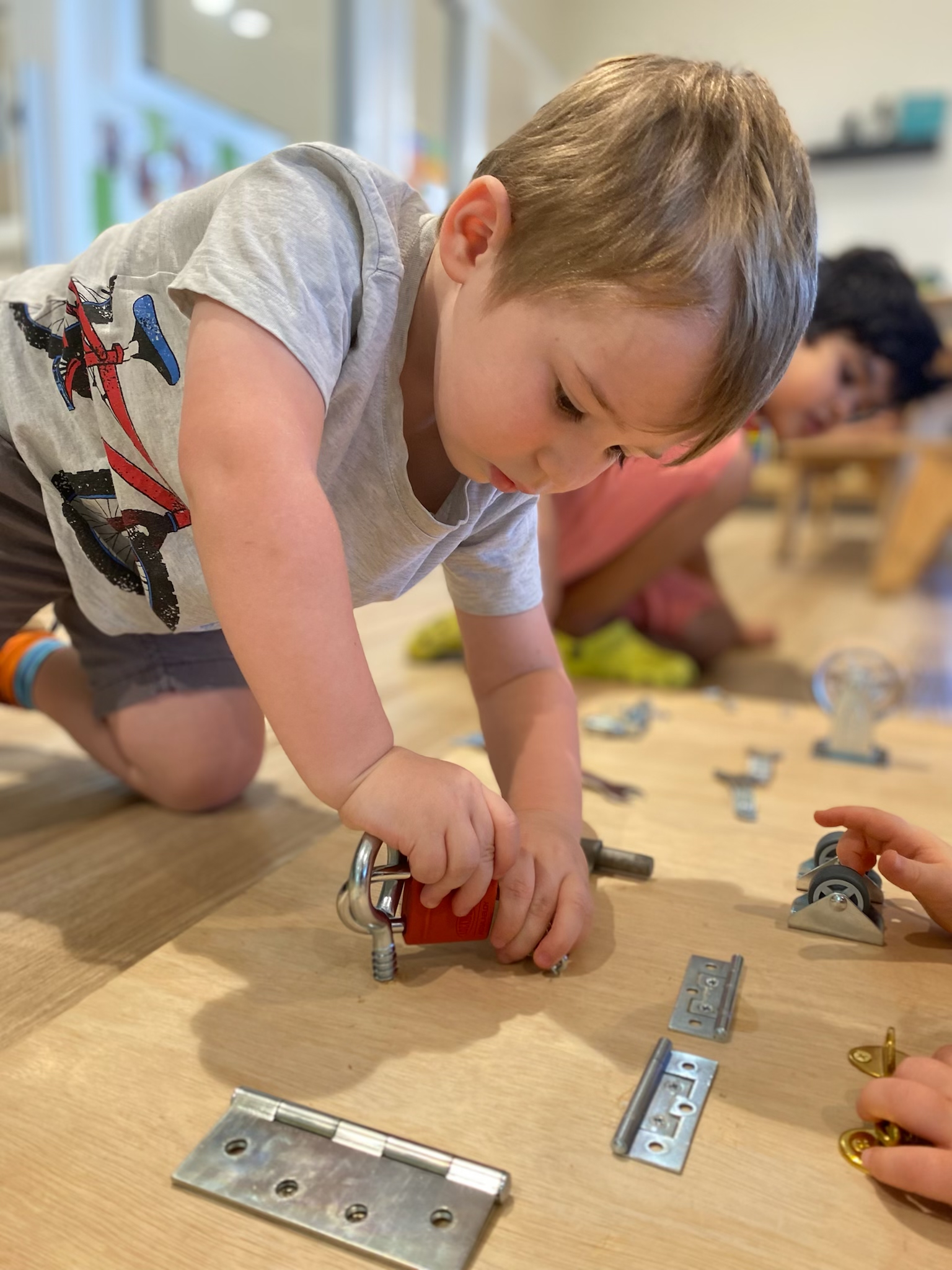
Making toys yourself offers a chance for your child to engage with the toy’s creation and use. This hands-on involvement improves fine motor skills and deepens understanding of how things work. Your preschooler learns more by touching, building, and experimenting with the toys you create together.
Customizable To Your Child’s Needs
Every child learns differently, and DIY toys let you adjust difficulty and focus areas easily. You can tailor activities to boost specific skills, such as counting, color recognition, or problem-solving. Have you tried adapting a toy on the spot to match your child’s mood or learning goal?
Strengthens Parent-child Bond
Working together to create toys creates meaningful moments and memories. This shared time builds trust and encourages communication. You’re not just making toys—you’re strengthening your connection with your child through a shared project.
Credit: edgeearlylearning.com.au
Materials You Need
Gathering the right materials is key to making educational toys for preschoolers. Simple items can turn into fun learning tools. Focus on safe, colorful, and easy-to-handle supplies. This section lists essential materials that help create toys that teach and entertain.
Basic Craft Supplies
- Colored paper and cardstock
- Child-safe scissors
- Non-toxic glue and tape
- Crayons, markers, and colored pencils
- Pipe cleaners and popsicle sticks
Recyclable And Household Items
- Empty cardboard boxes
- Plastic bottle caps and containers
- Old magazines and fabric scraps
- Egg cartons and paper tubes
- Buttons and string
Educational Tools And Accessories
- Number and alphabet stickers
- Simple puzzles and shapes
- Velcro strips for attaching parts
- Magnetic sheets or strips
- Small containers for sorting games
Simple Diy Toy Ideas
Creating educational toys at home can be simple and fun. These toys help preschoolers learn important skills. They encourage creativity, problem-solving, and sensory exploration. Using everyday materials, you can build toys that spark curiosity and joy.
Shape Sorting Box
Use a small box and cut different shaped holes on the lid. Provide matching blocks or cutouts in shapes like circles, squares, and triangles. Kids practice hand-eye coordination and learn shapes by fitting pieces into holes. Decorate the box with bright colors to make it inviting.
Color Matching Game
Collect colored paper or use colored bottle caps. Make pairs of colors and place them in a pile. Children match pairs by color, improving color recognition and memory. You can use a tray or small containers to organize the colors. Keep the game simple and clear for easy play.
Sensory Bottles
Fill clear plastic bottles with various materials like water, glitter, beads, or rice. Seal the lids tightly for safety. These bottles create visual and tactile experiences that calm and engage children. Let kids shake and observe the moving contents, which helps develop focus and sensory skills.
Credit: kidsbaron.com
Tips For Safe Toy Making
Making educational toys for preschoolers can be a joyful experience, but safety must always be your top priority. Every choice you make, from materials to construction, can impact a child’s well-being. Here are practical tips to help you create toys that are both fun and safe for little hands.
Use Non-toxic And Child-safe Materials
Choose paints, glues, and finishes that are labeled non-toxic. Children often put toys in their mouths, so avoiding harmful chemicals is crucial.
Natural materials like untreated wood or organic fabrics are excellent choices. They reduce the risk of allergic reactions and exposure to toxins.
Avoid Small Parts That Can Be Swallowed
Small pieces can easily become choking hazards. Always check the size of parts and avoid anything that fits inside a small container roughly 1.25 inches in diameter.
Think about the age of the child and their tendency to explore with their mouth. Bigger pieces and secure attachments keep toys safe.
Ensure Smooth Edges And Surfaces
Rough or sharp edges can cause cuts or splinters. Sand wood and smooth plastic surfaces thoroughly before assembling your toy.
Test each part by running your fingers over edges to feel for any rough spots. Imagine how a preschooler might hold or mouth the toy to identify potential risks.
Secure Attachments Firmly
Loose parts can break off and create hazards. Use strong adhesives or screws to attach pieces firmly.
Regularly check your homemade toys for wear and tear, especially if used frequently. If something seems loose, repair it before giving it back to a child.
Keep Designs Simple And Easy To Clean
Complex toys with many nooks can harbor dirt and germs. Simple designs make cleaning easier and more effective.
Can you imagine handing a toy covered in dust or bacteria to a curious preschooler? Regular cleaning prevents illness and keeps playtime safe.

Credit: www.firsttimemumsuk.co.uk
Frequently Asked Questions
What Materials Are Best For Making Educational Toys?
Safe, non-toxic materials like wood, fabric, and recycled plastic are ideal. These ensure durability and child safety. Use bright colors and varied textures to engage preschoolers effectively.
How Can I Make Toys That Develop Motor Skills?
Create toys requiring grasping, stacking, or sorting. Examples include building blocks, puzzles, and bead stringing. These activities enhance fine motor skills and hand-eye coordination.
What Educational Concepts Can Homemade Toys Teach?
Toys can teach numbers, letters, shapes, colors, and problem-solving. Incorporate counting beads, alphabet cards, or shape sorters to make learning fun and interactive for preschoolers.
How Do I Ensure Toys Are Safe For Preschoolers?
Avoid small parts that pose choking hazards. Use non-toxic paints and smooth edges. Regularly inspect toys for wear and clean them frequently to maintain hygiene and safety.
Conclusion
Making educational toys for preschoolers is fun and rewarding. These toys help children learn while they play. Use simple materials from home to create safe and colorful toys. Focus on shapes, colors, and numbers to boost early skills. Involve children in making toys to spark their creativity.
Remember, learning happens best through hands-on play. Keep toys age-appropriate and easy to use. Enjoy watching little minds grow and explore new ideas. Creating toys yourself saves money and adds a personal touch. Try these ideas and see how children benefit every day.