

Are you looking to spark your baby’s curiosity and boost their early development? Educational toys can be a game-changer.
But instead of buying expensive toys from the store, why not create your own? Making educational toys for your baby is not only cost-effective but also a fun way to bond with your little one. Imagine the joy of watching your child engage with something you crafted with love and care.
Plus, you can tailor these toys to suit your baby’s unique interests and developmental stage. Intrigued? Read on to discover simple and creative ways to make educational toys that will captivate your baby’s mind and support their growth.

Credit: www.firsttimemumsuk.co.uk
Benefits Of Educational Toys
Educational toys offer many benefits for babies. They support learning through play. These toys help babies grow in many important ways. Parents and caregivers can use them to nurture early skills. The right toys make learning fun and natural.
Boosting Cognitive Development
Educational toys stimulate a baby’s brain. They encourage problem-solving and memory skills. Babies learn to recognize shapes, colors, and sounds. These toys help build focus and attention. Early cognitive growth sets the foundation for future learning.
Enhancing Motor Skills
Toys that require movement improve hand-eye coordination. Grasping, pushing, and pulling develop fine motor skills. Larger movements help with balance and strength. Babies practice control and precision with these toys. Motor skills are vital for everyday tasks and play.
Encouraging Creativity
Educational toys inspire imagination and exploration. Babies experiment with different ways to play. Open-ended toys allow for creative thinking. This helps develop problem-solving and flexibility. Creativity supports emotional and intellectual growth.
Materials You’ll Need
Gathering the right materials is key to making educational toys for babies. Choose items that are safe, durable, and fun to explore. Select supplies that suit your baby’s age and learning needs. Use simple objects to create toys that encourage discovery and play.
Safe And Non-toxic Supplies
Safety matters most. Use non-toxic paints, glues, and fabrics. Opt for BPA-free plastics and untreated wood. Avoid small parts that pose choking risks. Look for materials labeled safe for babies. Soft textiles and smooth edges help prevent injuries.
Common Household Items
Many toys can be made from everyday objects. Clean jars, cardboard tubes, and bottle caps work well. Use colorful socks, buttons, and fabric scraps. Recycle sturdy boxes for building blocks. Items like spoons, cups, and lids add texture and sound.
Tools For Crafting
Keep crafting tools simple and easy to use. Scissors with rounded tips protect little hands. Use non-toxic glue sticks or hot glue guns carefully. A ruler and pencil help measure and mark. Soft brushes work well for painting small details.
Simple Diy Toy Ideas
Creating educational toys at home helps babies learn and explore safely. Simple materials often make the best toys. These DIY ideas focus on colors, textures, and sounds. They encourage sensory play and early development. Each project uses easy-to-find items and needs little time.
Colorful Sensory Bottles
Sensory bottles captivate babies with bright colors and movement. Use clear plastic bottles and fill them with water and small objects. Try:
- Colored beads or buttons
- Glitter or sequins
- Small plastic animals or shapes
Seal the bottle tightly for safety. Babies can shake, roll, and watch the colors swirl. This activity helps develop focus and hand-eye coordination.
Soft Fabric Blocks
Soft blocks are gentle and safe for babies to handle. Use fabric scraps and fill them with cotton or soft stuffing. Sew simple cube shapes or rectangles. Add:
- Different textures like velvet and cotton
- Bright colors and patterns
- Safe tags or ribbons for grabbing
These blocks encourage tactile exploration and motor skills. Babies enjoy stacking and knocking them down.
Interactive Sound Toys
Sound toys grab a baby’s attention and spark curiosity. Create toys that rattle or crinkle using common items. Ideas include:
- Fill small containers with rice or beans
- Wrap crinkly paper inside fabric pockets
- Attach bells to soft bracelets
Secure all parts firmly. Babies learn cause and effect by shaking or squeezing these toys.
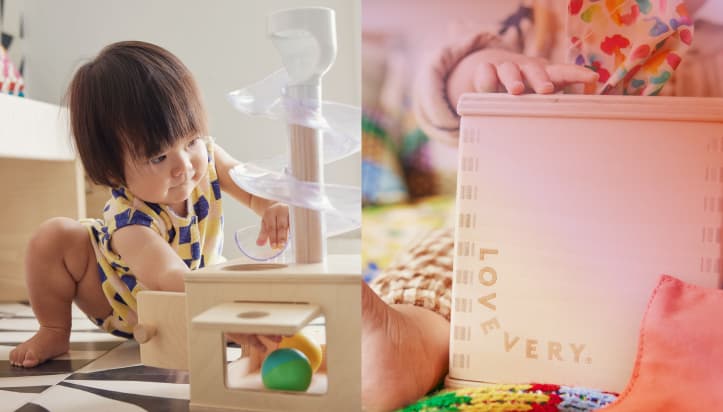
Credit: lovevery.com
Tips For Safe Toy Making
Creating educational toys for babies requires careful attention to safety. Safety helps protect babies from harm and ensures a fun playtime. Follow these tips to make toys that are safe and enjoyable.
Choosing Age-appropriate Designs
Select toy designs that match the baby’s age and skill level. Avoid small parts that babies can swallow. Use simple shapes and bright colors to keep babies interested. Soft materials reduce the risk of injury. Designs should encourage learning but stay safe.
Ensuring Durability
Use strong, non-toxic materials that can handle chewing and pulling. Secure all parts tightly to prevent choking hazards. Avoid sharp edges or points that can hurt little hands. Test toys by pulling and shaking to check if they hold up. Durable toys last longer and stay safe.
Regular Cleaning And Maintenance
Keep toys clean to stop germs from spreading. Use mild soap and warm water for washing. Check toys regularly for loose parts or damage. Repair or discard broken toys immediately. Clean and safe toys help maintain healthy playtime for babies.
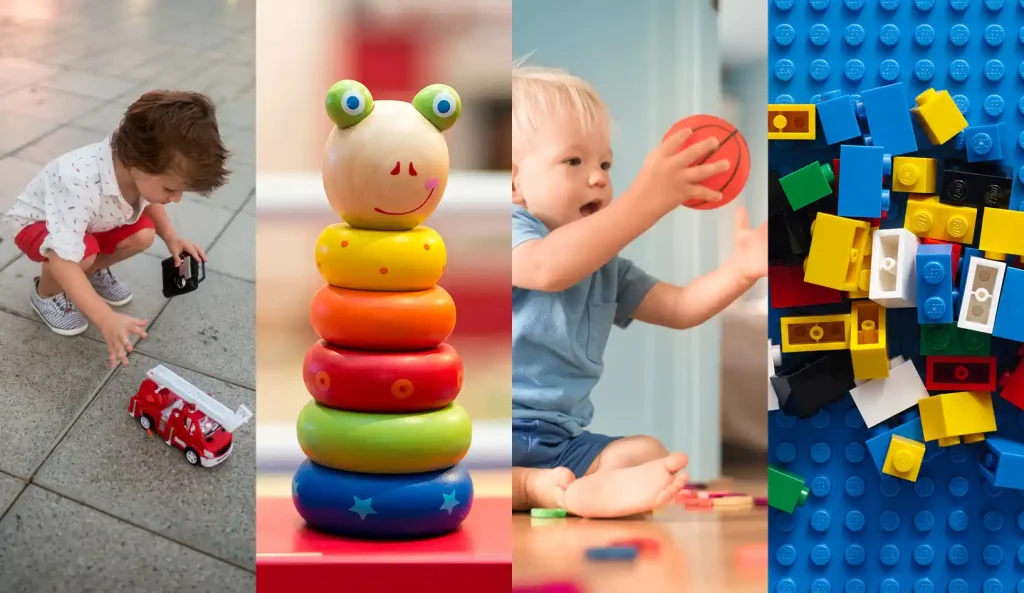
Credit: kidsbaron.com
Frequently Asked Questions
What Materials Are Best For Making Baby Educational Toys?
Safe, non-toxic materials like wood, fabric, and BPA-free plastic are ideal. They ensure durability and safety for babies to explore and learn.
How Do I Make Educational Toys Safe For Babies?
Use rounded edges, non-toxic paints, and avoid small parts. Always supervise playtime to prevent choking hazards and ensure a safe experience.
Which Skills Do Educational Toys Develop In Babies?
Educational toys enhance motor skills, sensory development, hand-eye coordination, and cognitive abilities. They encourage curiosity and early learning through play.
Can Homemade Educational Toys Be Better Than Store-bought?
Yes, homemade toys can be customized for your baby’s needs. They’re cost-effective, safe, and promote creativity and bonding during playtime.
Conclusion
Making educational toys for babies can be simple and fun. Use safe materials and bright colors to catch their attention. Choose shapes and textures that help babies learn and explore. Involve your baby while making toys to build a strong bond.
Homemade toys often bring more joy than store-bought ones. Keep toys small and easy to hold for little hands. Your effort helps your baby grow smart and happy. Try creating different toys to find what your baby loves. Enjoy the process and watch your baby learn every day.