
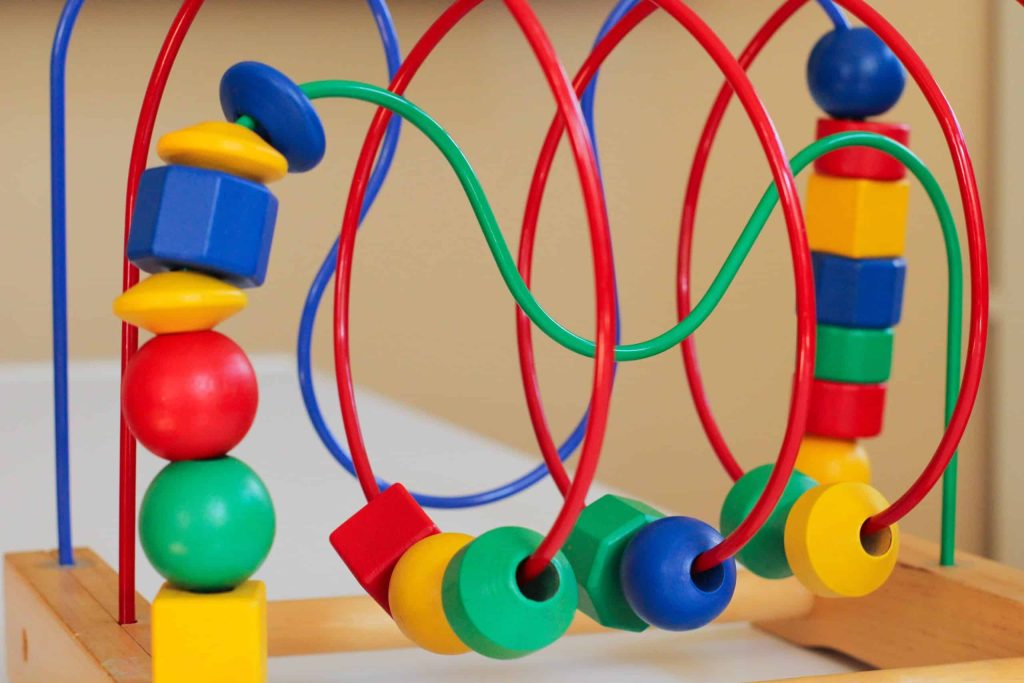
Are you looking to spark your child’s creativity and learning without breaking the bank? Making educational toys at home might just be the perfect solution for you.
Not only does it allow you to customize toys to fit your child’s interests and needs, but it also offers a fulfilling experience for both you and your little one. Imagine the joy of seeing your child’s eyes light up with excitement and curiosity as they engage with something you crafted with love and care.
In this guide, we’ll explore simple yet effective ways to create educational toys using materials you already have at home. Ready to dive into the world of DIY learning fun? Let’s get started!
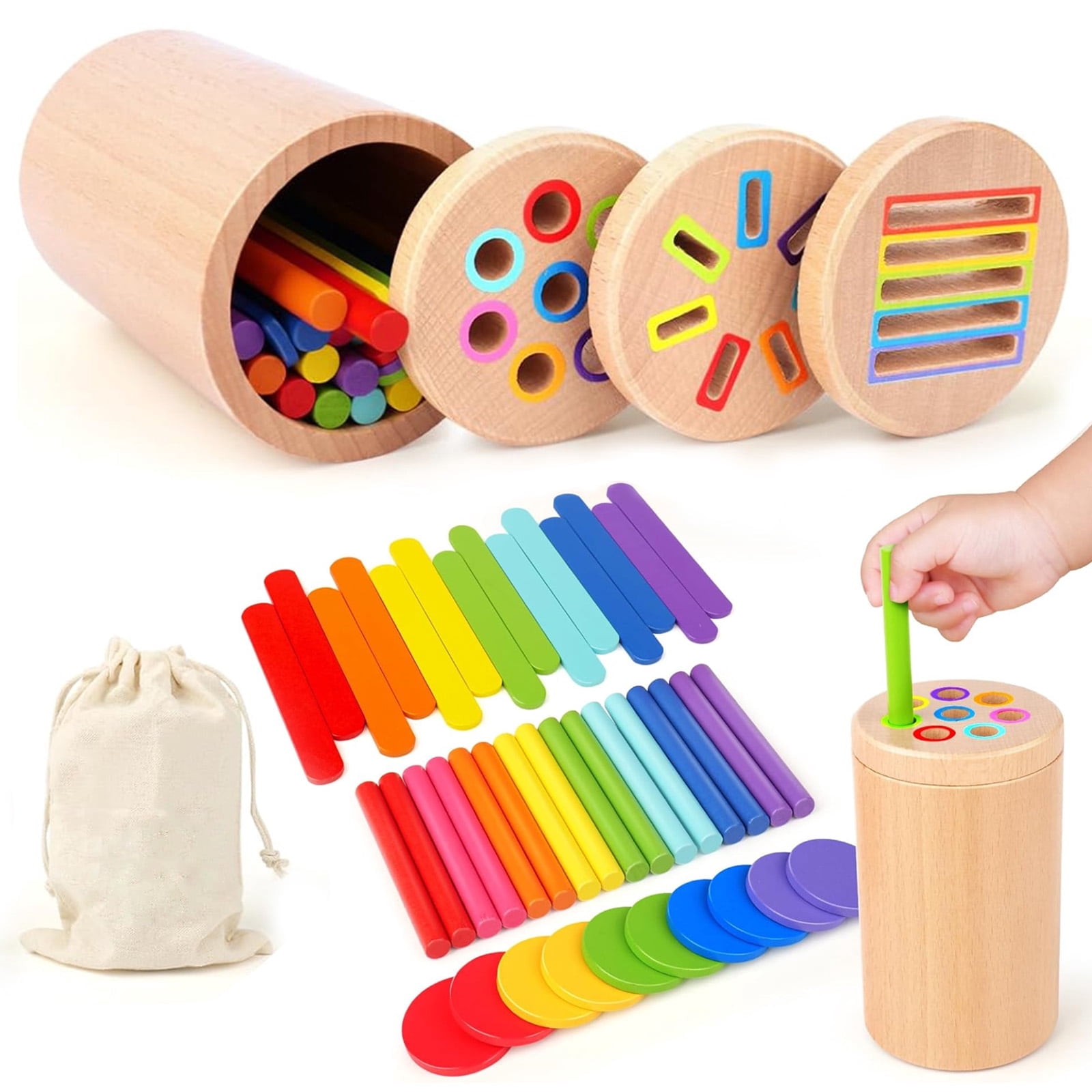
Credit: www.walmart.com
Materials You Need
Gathering the right materials is key to making educational toys at home that are both fun and safe for your child. You don’t need fancy or expensive supplies; often, the best items are already in your house or easy to find. Knowing what to use helps you create engaging toys that spark curiosity and learning.
Common Household Items
Look around your home for everyday objects that can become learning tools. Old socks can turn into puppets, cardboard boxes can become building blocks, and bottle caps can be used for counting games. These items are free and encourage creativity by showing your child how to reuse things.
Think about the small things you might throw away without a second thought. Could those buttons or scraps of fabric be part of a sorting game? Using familiar objects can make the learning experience feel more relatable and hands-on.
Safe Craft Supplies
Choose craft materials that won’t harm your child’s skin or cause choking hazards. Non-toxic glue, washable markers, and child-friendly scissors are essential. Avoid small parts for younger kids to keep playtime safe and stress-free.
Consider buying supplies labeled as “child-safe” or “non-toxic.” These products give you peace of mind while allowing your child to explore textures, colors, and shapes freely. Have you ever noticed how much kids love bright colors? Stock up on vibrant paper, felt, and yarn to keep their interest high.
Tools For Assembly
Some toys need a bit of assembly, so having the right tools makes the process smoother. Simple tools like a hot glue gun (used with caution), tape, and a pair of scissors can help you put everything together quickly. If you’re working with wood or heavier materials, a small hammer and nails might be needed.
Always supervise your child when using tools, or do the assembly yourself if the tools are sharp. Preparing your workspace with all tools within reach saves time and keeps things organized. What’s the most surprising tool you’ve found useful in making a toy?

Credit: www.amazon.ca
Simple Toy Ideas
Creating educational toys at home doesn’t have to be complicated or expensive. Simple ideas can turn everyday items into fun learning tools that engage your child’s curiosity and creativity. These toys not only entertain but also help develop important skills like problem-solving, fine motor coordination, and sensory awareness.
Sensory Bottles
Sensory bottles are easy to make and can captivate your child’s attention for long periods. Fill a clear plastic bottle with water, oil, glitter, beads, or small toys. Seal the lid tightly to avoid spills and let your child shake and watch the colorful contents swirl around.
These bottles encourage exploration and calmness, especially for younger kids. Try different combinations and textures inside the bottle to see what fascinates your child the most. Have you noticed how a simple bottle can become a magical tool for sensory play?
Shape Sorting Boxes
Shape sorting boxes boost your child’s ability to recognize shapes and improve hand-eye coordination. Use a small cardboard box and cut out holes in different shapes—circle, square, triangle, and star. Then, create matching shapes from cardboard or foam for your child to fit through the holes.
This toy challenges your child to match shapes and understand spatial relationships. You can personalize it by decorating the box with bright colors or stickers to make it more inviting. What shapes can you add to make the game more challenging as your child grows?
Diy Puzzles
DIY puzzles are a fantastic way to develop problem-solving skills and patience. Take a photo or draw a simple picture on a piece of cardboard, then cut it into large pieces. Start with fewer pieces for younger children and increase the number as they improve.
Watching your child piece together a puzzle you made can be very rewarding. It also encourages concentration and memory. What images or themes would excite your child the most for their personalized puzzle?
Learning Benefits
Making educational toys at home offers many learning benefits for children. These toys help kids grow in important ways. They support brain growth, improve movement skills, and inspire imagination. Homemade toys create a fun and safe space for learning. Children explore and discover through hands-on play. This leads to better understanding and long-lasting skills.
Cognitive Skills
Educational toys help improve thinking and problem-solving. Kids learn to recognize shapes, colors, and patterns. They practice counting and sorting objects. These activities build memory and attention span. Children also develop language skills by naming items and following instructions. Homemade toys challenge the brain and encourage logical thinking. This sets a strong foundation for school learning.
Motor Development
Playing with homemade toys builds fine and gross motor skills. Children use their fingers to grasp and move small parts. This strengthens hand-eye coordination. Larger toys encourage crawling, walking, and balancing. These actions improve muscle control and body awareness. Motor skills are important for daily tasks like writing and dressing. Homemade toys offer safe ways to practice these movements.
Creativity Boost
Making and playing with educational toys sparks creativity. Kids use their imagination to create stories and scenarios. They experiment with colors, shapes, and materials. This freedom encourages original thinking and problem-solving. Homemade toys can be changed and improved easily. Children feel proud of their creations. Creative play builds confidence and joy in learning.
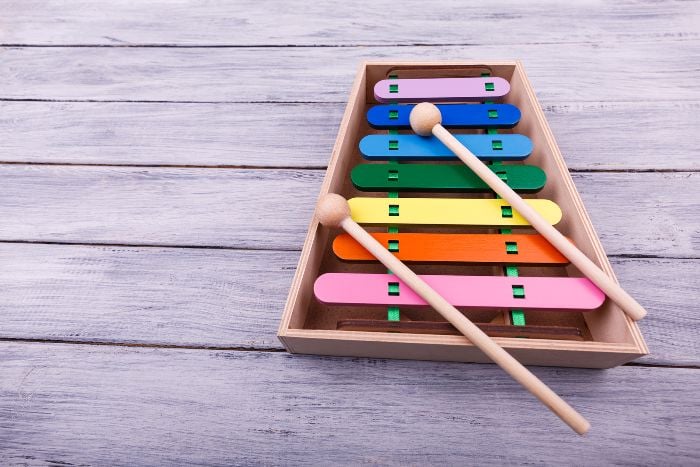
Credit: empoweredparents.co
Tips For Customization
Customizing educational toys at home makes learning more fun and effective. Tailoring toys to match a child’s interests and needs boosts engagement. Small changes can make a big difference in how a child interacts with the toy. Below are practical tips for customization to enhance your DIY educational toys.
Personalizing Colors And Themes
Choose colors that the child likes. Bright colors catch attention and keep kids interested. Use themes based on their favorite animals, cartoons, or hobbies. This connection helps children relate to the toy better. Personal touches create excitement and encourage regular play.
Adapting For Different Ages
Adjust the complexity of the toy depending on the child’s age. Younger kids need bigger parts and simpler designs to avoid frustration. Older kids enjoy challenges that test their skills and creativity. Change materials or add layers of difficulty to suit different growth stages.
Incorporating Educational Goals
Decide what skills the toy should teach. Focus on areas like numbers, letters, shapes, or problem-solving. Use labels, colors, or textures that highlight these lessons. Integrate activities that encourage thinking and learning. Clear goals help children develop specific abilities through play.
Frequently Asked Questions
What Materials Are Best For Homemade Educational Toys?
Use safe, non-toxic materials like cardboard, wood, fabric, and recycled items. These are eco-friendly and easy to find. Avoid small parts for young children to prevent choking hazards. Choose materials based on the toy’s educational purpose, such as sensory development or motor skills enhancement.
How Can I Make Educational Toys That Promote Learning?
Focus on toys that encourage problem-solving, creativity, and motor skills. Examples include puzzles, counting games, and building blocks. Use bright colors and different textures to engage children. Tailor toys to your child’s age and interests to maximize learning and enjoyment.
Are Homemade Educational Toys Safe For Children?
Yes, if made with non-toxic materials and supervised during play. Always check for sharp edges or small parts. Homemade toys can be safer since you control materials and construction. Regularly inspect toys for wear and repair or discard damaged items.
How Do Educational Toys Benefit Child Development?
Educational toys enhance cognitive, social, and motor skills. They foster creativity, critical thinking, and problem-solving. These toys support language development and hand-eye coordination. Playing with educational toys also boosts confidence and independent learning.
Conclusion
Making educational toys at home saves money and boosts creativity. Kids learn better through play with simple, hands-on activities. Using everyday items keeps the process easy and fun. Parents can tailor toys to fit their child’s needs. Try new ideas and enjoy time together.
Small efforts lead to big learning moments. Start crafting today and see the joy of learning grow.