

Are you looking to spark your child’s curiosity and creativity without breaking the bank? Imagine turning everyday waste materials into fascinating educational toys right at home.
Not only does this save money, but it also helps the environment and teaches your child the value of recycling. Dive into a world where cereal boxes become puzzles and plastic bottles transform into musical instruments. You’ll discover simple, fun projects that you and your child can do together, creating memories while learning valuable skills.
Ready to turn your trash into treasure? Let’s explore how you can craft educational toys using materials you already have at home!
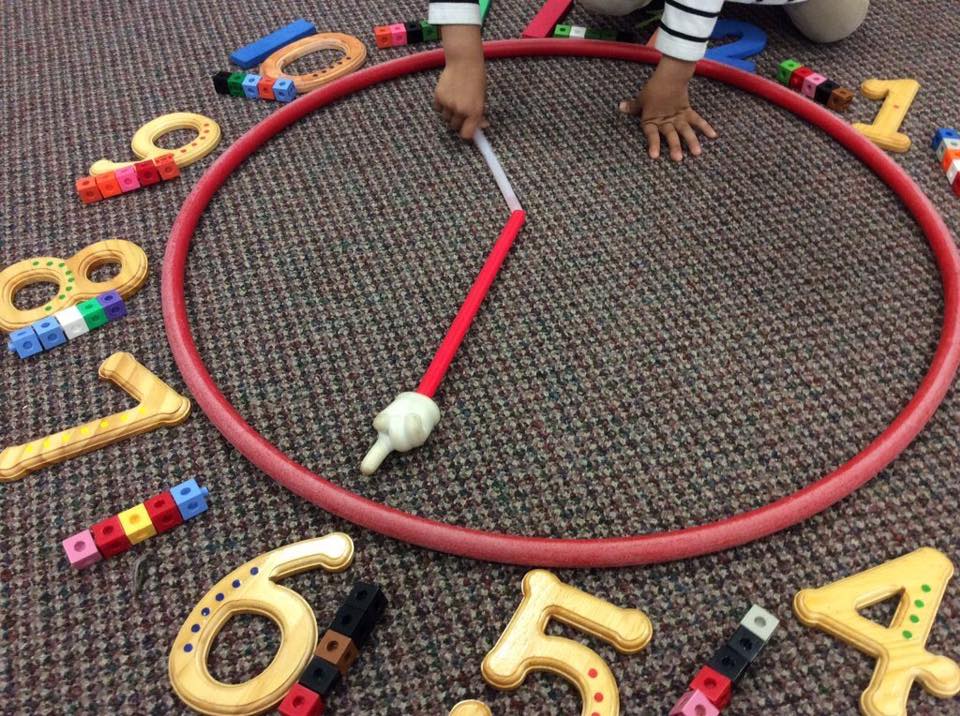
Credit: www.theempowerededucatoronline.com
Benefits Of Diy Educational Toys
Making educational toys at home from waste materials brings many benefits. These toys help children learn through play. They also save money and reduce waste. Crafting toys yourself allows you to customize learning tools for your child’s needs. This hands-on approach builds creativity and problem-solving skills.
Encourages Creativity And Imagination
DIY educational toys inspire children to think creatively. They can explore new ideas using simple materials. This freedom boosts imagination and curiosity. Kids enjoy making their own games and puzzles.
Promotes Environmental Awareness
Using waste materials teaches kids to value recycling. It shows how to reuse items instead of throwing them away. Children learn the importance of protecting the planet early on. This habit grows into responsible behavior over time.
Enhances Fine Motor Skills
Crafting toys requires cutting, folding, and gluing. These tasks improve hand-eye coordination. Children develop better control over small movements. This skill helps with writing and other daily activities.
Cost-effective Learning Tools
Making toys from waste saves money. Many educational toys are expensive to buy. DIY options use free or cheap materials. Parents can create fun, useful toys without spending much.
Strengthens Parent-child Bond
Building toys together creates special moments. Parents and children share ideas and work as a team. This interaction supports emotional growth and trust. Kids feel loved and supported during playtime.
Choosing Safe Waste Materials
Choosing safe waste materials is the first and most important step in making educational toys at home. Safety ensures children can play without risk of injury or illness. Not all waste materials are suitable for toy-making. Careful selection helps create fun and secure learning tools.
Parents and caregivers must check materials for cleanliness and durability. Avoid sharp edges, toxic substances, and small parts that children can swallow. Using safe waste materials builds trust and encourages creative play.
Identifying Non-toxic Materials
Use only waste materials free from harmful chemicals. Avoid plastics with recycling codes 3, 6, and 7, as they may contain toxins. Paper, cardboard, glass jars, and metal cans often work well if cleaned properly. Test for any chemical smell before use.
Checking For Cleanliness
Clean all waste materials thoroughly before crafting. Wash with soap and water to remove dirt and bacteria. Dry materials completely to prevent mold. Avoid materials that have been exposed to hazardous substances.
Ensuring Durability And Strength
Choose materials that can withstand handling by children. Avoid fragile items that break easily. Strong cardboard, sturdy plastic containers, and thick fabrics are good choices. Durable toys last longer and provide better learning experiences.
Avoiding Small And Sharp Parts
Do not use materials with small parts that pose choking hazards. Remove any sharp edges or points by sanding or covering. Smooth surfaces prevent cuts and scratches. Safety improves when toys are easy to hold and manipulate.
Considering Age Appropriateness
Select materials based on the child’s age and skill level. Toddlers need larger, simple pieces. Older kids can handle more complex shapes and textures. Matching materials to age supports effective learning and safe play.
Simple Toy Ideas For Learning
Creating educational toys at home using waste materials can be both fun and rewarding. These simple toy ideas help children learn essential skills while encouraging creativity and problem-solving. You don’t need fancy tools or expensive supplies—just a little imagination and everyday items around you.
Sensory Bottles
Sensory bottles are a fantastic way to engage your child’s senses and curiosity. Fill empty plastic bottles with water, glitter, small beads, or even bits of colored paper. Seal the bottle tightly and let your child shake, roll, and watch the contents move.
These bottles improve focus and calmness, especially for young kids. You can customize them to teach colors, textures, or even simple science concepts like sinking and floating. Have you noticed how a quiet moment with a sensory bottle can turn a restless child into a calm learner?
Puzzle Boards
Transform cardboard or old pieces of wood into puzzle boards that challenge your child’s thinking. Cut shapes or pictures into pieces that fit together like a jigsaw. You can even use printed photos or drawings glued to the board for a personal touch.
This activity sharpens fine motor skills and spatial awareness. Try making themed puzzles—animals, letters, or numbers—to combine fun with learning. What patterns or images does your child enjoy the most when piecing puzzles together?
Counting Games
Use bottle caps, buttons, or dried beans to create simple counting games. Draw numbered boxes or circles on a piece of cardboard and ask your child to place the correct number of items in each space. This hands-on approach makes numbers real and understandable.
You can also use these games to practice addition and subtraction by moving items between groups. Counting games encourage concentration and early math skills without screens or expensive toys. How many different objects can you find around your home to turn into counting tools?

Credit: www.youtube.com
Tips For Engaging Kids In Making Toys
Engaging kids in making educational toys from waste materials turns learning into fun. Kids feel proud creating something useful with their hands. It sparks creativity and teaches problem-solving skills. Keep their interest high with simple, clear tasks and lots of encouragement.
Make It Fun And Colorful
Choose bright materials and colors to catch their eyes. Use paints, stickers, or markers to decorate toys. Fun visuals keep kids excited to continue the project. Let them pick colors and patterns to express themselves.
Break Tasks Into Small Steps
Divide the toy-making process into easy, clear steps. Kids stay focused and don’t feel overwhelmed. Praise each step they complete to boost confidence. Small wins build motivation and make the task enjoyable.
Use Everyday Items
Find waste materials around the house like bottle caps, cardboard, or old fabric. Familiar items help kids relate to the project. It teaches the value of recycling and reusing. Show how trash can turn into treasure.
Encourage Imagination
Ask kids to think about how their toy works or looks. Let them invent new shapes or add features. Imagination makes the process unique and personal. It builds creative thinking alongside crafting skills.
Work Together As A Team
Join kids in the activity to share ideas and help out. Teamwork makes the project more enjoyable and less frustrating. It teaches cooperation and communication. Celebrate the final toy as a group success.
Keep Safety In Mind
Use child-safe scissors and non-toxic glue or paint. Supervise sharp tools or small parts closely. Safety ensures kids feel secure and confident. A safe environment encourages more creative attempts.
Showcase Finished Toys
Display toys proudly in a special place at home. This shows kids their work is valued. It motivates them to try new projects. Praise helps build self-esteem and pride in crafting.

Credit: www.youtube.com
Frequently Asked Questions
What Are The Best Waste Materials For Educational Toys?
Common waste materials include cardboard, plastic bottles, old fabric, and paper rolls. These are safe and easy to repurpose. They help create toys that teach counting, colors, shapes, and motor skills effectively while promoting recycling habits.
How Can Educational Toys Improve Child Development?
Educational toys enhance cognitive skills, creativity, and problem-solving. They also improve hand-eye coordination and fine motor skills. Using homemade toys encourages imagination and learning through play, making education fun and interactive for children.
Is It Safe To Use Waste Materials For Toys?
Yes, if you choose clean, non-toxic, and sturdy materials. Avoid sharp edges or small parts that pose choking hazards. Always supervise children during play and ensure toys are well-crafted to prevent accidents.
How Do Educational Toys Save Money For Parents?
Making toys at home reduces the need to buy expensive educational toys. It uses readily available waste materials, cutting costs. This eco-friendly approach also encourages creativity and bonding during the toy-making process.
Conclusion
Making educational toys from waste helps children learn and grow. It saves money and protects the environment. These toys spark creativity and teach valuable skills. Anyone can try this at home with simple materials. Start small and enjoy the process with your child.
Learning becomes fun, and waste finds a new purpose. Give it a try and see the benefits yourself. Simple steps lead to big rewards for kids and families.