

Learning multiplication tables can feel like a daunting task, especially if you’re just starting. But what if you could master them quickly and with ease?
Imagine the confidence you’ll gain and the time you’ll save in math class. You’re not alone in seeking a faster, simpler way to conquer these essential math skills. Many people struggle with multiplication, but the secret to success lies in how you approach the learning process.
You’ll discover proven techniques designed to make memorizing multiplication tables easy and fast. These strategies will not only boost your math skills but also make learning fun and engaging. So, are you ready to transform your math experience and impress your teachers? Let’s dive into these effective methods that will help you learn multiplication tables in no time!
Visual Techniques
Visual techniques can simplify learning multiplication tables. Use colorful charts and diagrams to make numbers memorable. These tools help students visualize and understand patterns quickly, enhancing their ability to recall facts with ease.
Learning multiplication tables can sometimes feel overwhelming, especially if traditional methods don’t seem to stick. That’s where visual techniques come into play. By leveraging your visual memory, you can make learning multiplication tables easier and more engaging. Visual techniques can transform numbers into more memorable patterns, helping you to recall them faster. Let’s dive into some effective strategies that can make multiplication more visual and fun for you.Use Color-coded Charts
Color-coding can be a game-changer. Create a multiplication chart where each number or multiplication family has its own color. For instance, all multiples of 2 can be highlighted in blue, while multiples of 3 might be green. This helps you visually separate different groups and makes it easier to spot patterns. You can stick this chart on your wall or desk for quick reference.Draw Arrays
Arrays are a visual representation of multiplication. By drawing rows and columns of dots or squares, you can see how numbers multiply. For example, for 3×4, draw 3 rows of 4 dots each. This not only makes multiplication tangible but also helps you understand the concept of area. Try experimenting with different shapes or objects to make it more interesting.Use Flashcards With Images
Flashcards aren’t just for vocabulary. Create multiplication flashcards that include both the multiplication problem and a related image. If you’re learning 6×7, draw a picture of six groups of seven objects. Associating the problem with a visual cue can make the information stick better. You can even create a story around the image to make it more memorable.Interactive Apps And Games
There are plenty of apps and games designed to teach multiplication through visuals. These apps often use interactive elements and animations to show how numbers relate to each other. They can be particularly engaging because they turn learning into a fun activity rather than a chore. Try out a few and see which one resonates with your learning style.Mind Mapping Techniques
Mind maps are a powerful tool for organizing information visually. Create a mind map for each multiplication table, with the central number in the middle and its products branching out. Use images, colors, and lines to connect the numbers. This technique can help you see relationships between numbers and make the learning process more dynamic. By incorporating visual techniques into your study routine, you not only make learning multiplication tables faster but also more enjoyable. Which of these techniques do you think might work best for you?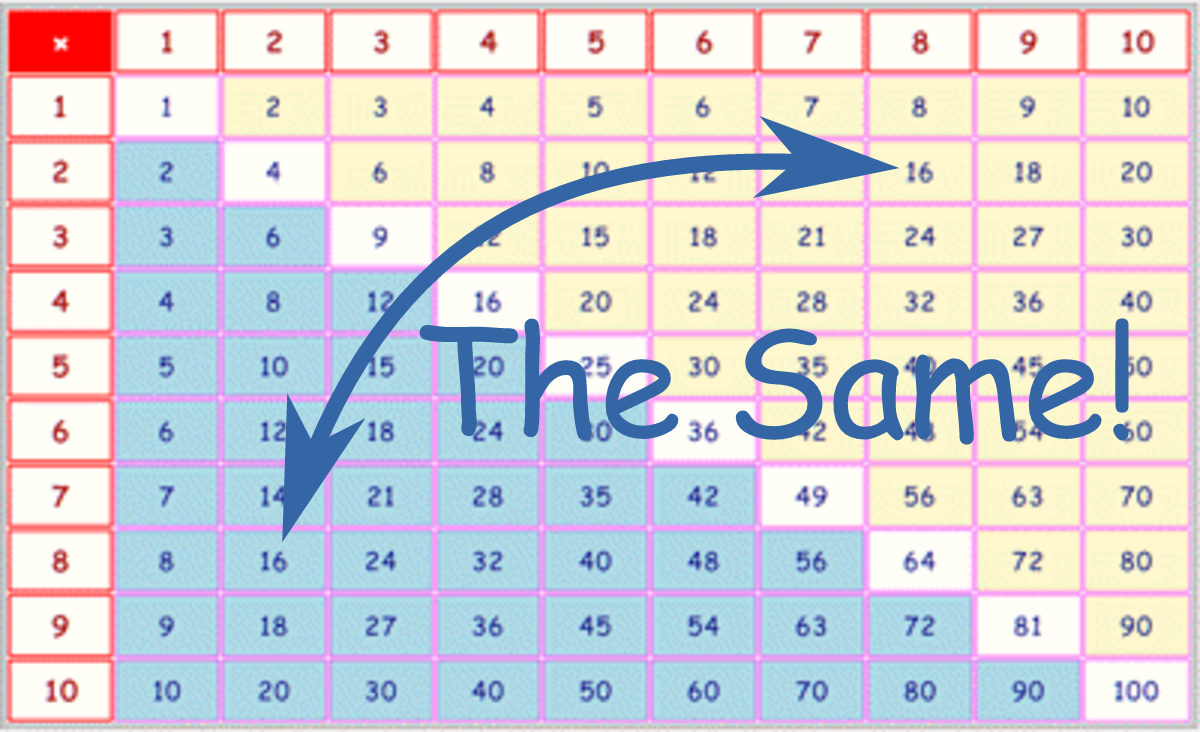
Credit: www.mathsisfun.com
Songs And Rhymes
Songs and rhymes make learning multiplication tables fun and quick. Catchy tunes help children remember numbers easily. Repetition through music engages young minds, making math less daunting.
Learning multiplication tables can be fun with songs and rhymes. These catchy tunes help kids memorize numbers. They make learning enjoyable and stress-free. Children love music, and it aids memory retention. Songs create rhythm, making numbers easy to recall. Rhymes add a playful twist. They capture attention quickly. Using music, kids memorize tables without feeling overwhelmed. This method suits different learning styles. It engages auditory learners especially. Parents and teachers find it useful for young children. Music simplifies complex concepts. It breaks down multiplication into manageable parts. Songs and rhymes are effective tools. They enhance learning experiences.Using Songs For Memorization
Songs simplify multiplication tables. They turn numbers into catchy melodies. Kids sing along easily. This repetition helps memorization. Tunes stick in their minds. Musical patterns aid memory retention. Children recall numbers effortlessly. Singing engages multiple senses. It enhances understanding. Songs can be found online. They cover different multiplication tables. Parents can create their own. Custom songs address specific needs. This personalization boosts learning. Children enjoy singing and learning. It’s a positive experience.Creating Fun Rhymes
Rhymes make learning playful. They transform numbers into fun phrases. Kids love reciting them. Rhymes break down tables. They simplify complex numbers. This approach suits visual learners. Rhymes add humor and creativity. They make learning lively. Children engage more with rhymes. Parents can invent new ones. Tailor them to child’s pace. Rhymes foster creativity. Encourage kids to make their own. This boosts confidence. It improves understanding. Rhymes are memorable. They stick in children’s minds. Learning becomes effortless.Benefits Of Music And Rhymes
Music enhances cognitive skills. It boosts memory retention. Songs make learning enjoyable. Rhymes encourage creativity. They engage multiple senses. This improves concentration. Children learn faster. They grasp concepts better. Music and rhymes build confidence. Kids feel accomplished. They enjoy the learning process. Songs and rhymes suit different ages. They’re versatile tools. Teachers use them in classrooms. Parents use them at home. Learning is fun and effective. Music and rhymes simplify multiplication. They make it accessible. Kids love this approach. It’s a positive experience.Games And Apps
Discover engaging games and apps that simplify learning multiplication tables. Interactive challenges and fun quizzes make practice enjoyable. Quick and easy methods enhance memory retention, ideal for students seeking efficient learning strategies.
Learning multiplication tables can be a fun and engaging experience, especially when you use games and apps. These tools offer interactive ways to practice multiplication, making it less of a chore and more of an adventure. They can turn numbers into puzzles, challenges, and competitions that motivate you to improve your skills.Interactive Math Games
Interactive math games are a fantastic way to make multiplication exciting. They offer colorful graphics, rewards, and levels to keep you engaged. Consider games that challenge you to solve problems under time pressure or those that let you compete against friends. Have you ever thought about how a simple competition can boost your learning? Playing math games encourages you to think faster and improves your ability to recall multiplication facts. Try games like “Math Bingo” or “Multiplication War” that combine fun with learning.Multiplication Apps
Multiplication apps are perfect for on-the-go learning. They offer structured lessons, practice tests, and sometimes even adaptive learning techniques. Download an app that suits your learning style—whether you prefer step-by-step instructions or a more game-like experience. Apps can track your progress and adapt to your learning speed, giving you personalized challenges. This way, you’re not just memorizing numbers; you’re understanding patterns and improving your problem-solving skills.Using Technology To Track Progress
Many apps and games come with features that track your progress over time. This helps you see how far you’ve come and what areas need improvement. Have you tried setting daily goals and monitoring your achievements? Seeing your progress visually can boost your confidence and motivate you to tackle even more complex multiplication problems.Family And Friends Challenges
Involve your family and friends by challenging them in multiplication games. This adds a social element to learning and makes it more enjoyable. You can set up weekly challenges and see who improves the most. Engaging others not only strengthens your skills but also builds a supportive learning environment. Plus, who doesn’t love a bit of healthy competition?Creative Rewards And Incentives
Consider setting up a reward system for each milestone you achieve in your multiplication journey. Small incentives like stickers or a special treat can make a big difference. What rewards motivate you to push further? By associating multiplication with positive experiences, you create a more enjoyable learning atmosphere that encourages consistent practice.
Credit: www.youtube.com
Credit: www.jagranjosh.com
Frequently Asked Questions
What Is The Fastest Way To Learn Multiplication Tables?
Practice multiplication tables daily using flashcards or apps. Break them into small groups for easier memorization. Use songs or rhymes to make learning fun and engaging. Regular repetition helps reinforce memory. Consistent practice improves speed and accuracy in recalling multiplication facts.
How To Memorize Tables In 5 Minutes?
Use visualization techniques to associate numbers with images. Practice repeatedly using flashcards or apps. Break tables into smaller sections and recite them aloud. Engage in quick quizzes to reinforce memory. Consistent daily practice enhances retention.
How To Memorize Faster Tables?
Use mnemonic devices, like rhymes or songs, to make memorization fun. Practice regularly and quiz yourself. Visualize tables using flashcards or apps. Break tables into smaller parts for easier learning. Stay consistent with daily practice to improve retention.
What Is The Easiest Trick For Multiplication?
Use the “break apart” method for easy multiplication. Split one number into tens and units. Multiply each separately, then add the results. For example, 23 x 4: (20 x 4) + (3 x 4) = 80 + 12 = 92.
This method simplifies calculations for quicker answers.
Conclusion
Learning multiplication tables can be simple with the right approach. Practice daily to improve memory. Use visual aids like charts for better understanding. Find fun ways to practice, such as songs or games. Break down larger numbers into smaller parts.
This makes them easier to multiply. Consistency is key to mastering multiplication. Keep practicing, and soon you’ll see progress. Remember, patience and practice lead to success. Everyone can learn multiplication tables with dedication. Stay positive, and enjoy the learning journey.