

Are you struggling with keeping your RC car tires securely in place during those high-speed races or thrilling off-road adventures? You’re not alone.
Many RC enthusiasts face the common challenge of tires slipping or detaching at the most inconvenient times. This can not only ruin your fun but also risk damaging your beloved RC car. The good news? There’s a simple solution that can make all the difference: gluing your RC car tires.
In this guide, you’ll discover the essential steps to properly glue your RC car tires, ensuring they stay put and perform at their best. Imagine racing with confidence, knowing your tires are firmly attached and ready for action. Let’s dive into how you can achieve that perfect grip and boost your RC car’s performance.

Credit: www.youtube.com
Choosing The Right Glue
Choosing the right glue for RC car tires ensures a secure bond and optimal performance. Use tire-specific glue for the best results, focusing on quick-drying options to reduce handling time. Proper application helps maintain tire integrity during high-speed races.
Choosing the right glue for RC car tires is crucial. The wrong choice can affect performance and safety. Different glues offer unique benefits and drawbacks. Before selecting, consider your specific needs and conditions. Understanding these factors ensures your RC car runs smoothly.Understanding Glue Types
Different glue types serve various purposes. Cyanoacrylate, or CA glue, is most popular. It bonds quickly and holds strong. Epoxy is another option. It offers excellent durability. Each type has its pros and cons. Choose based on your needs.Examining Bond Strength
Bond strength matters greatly. RC tires face intense pressure during races. Strong glue prevents tire slips. Check product labels for bond strength details. High bond strength ensures safety and performance.Considering Drying Time
Drying time affects the process. Fast-drying glue saves time. Slow-drying glue allows adjustments. Decide based on your preference. Quick-dry glue suits experienced users. Beginners might prefer more time to adjust.Reviewing Temperature Resistance
Temperature resistance is vital. RC cars generate heat. Glue must withstand high temperatures. Some glues lose strength with heat. Choose a glue that holds under pressure and heat.Checking Compatibility With Tires
Not all glues suit all tires. Some tires have special coatings. These coatings resist certain glues. Ensure glue compatibility with your tires. Read tire and glue specifications carefully.Evaluating Ease Of Use
Ease of use is key for beginners. Some glues require mixing. Others come ready to use. Choose a glue that matches your skill level. Easy-to-use glue simplifies the process.Reading Reviews And Recommendations
Reviews offer insights into glue performance. User experiences highlight strengths and weaknesses. Online forums and communities provide valuable feedback. Consider expert recommendations for the best results.
Credit: www.youtube.com
Preparing Tires And Rims
Gluing RC car tires requires precision and patience. Clean the tire and rim thoroughly. Apply a thin layer of glue around the rim’s edge. Press the tire firmly onto the rim, ensuring a secure fit. Allow the glue to dry completely before testing the car.
Preparing the tires and rims is a crucial step in gluing RC car tires. Proper preparation ensures a strong bond between the tire and rim, which enhances performance and durability. This process involves cleaning and inspecting each component to ensure they are ready for glue application.Cleaning The Tires
Begin by cleaning the tires thoroughly. Use a mild soap and water solution. Remove any dirt or debris from the tire surface. Ensure the tire is completely dry before proceeding. A clean tire provides a better surface for the glue to adhere.Inspecting The Tires
Look for any cracks or damage on the tires. Ensure they are in good condition for gluing. Replacing damaged tires before gluing is important. This ensures optimal performance on the track.Cleaning The Rims
Rims also need proper cleaning. Use a soft cloth with rubbing alcohol. This removes any oils or residues. A clean rim ensures the glue sticks well.Scuffing The Rims
Use fine sandpaper to scuff the rim surface lightly. This creates a better grip for the glue. Scuffing ensures a stronger bond between tire and rim.Checking The Fit
Ensure the tires fit perfectly on the rims. Test fit them before applying any glue. A snug fit is essential for a secure glue job.Application Techniques
Properly cleaning the tire surface ensures strong adhesion. Apply a thin bead of glue around the tire’s edge. Press the tire firmly to the rim, allowing the glue to set for a secure fit.
Gluing RC car tires is an essential skill for any enthusiast looking to maximize performance and durability. The process might seem straightforward, but mastering application techniques can significantly impact your RC car’s handling and longevity. Whether you’re a seasoned racer or a beginner, applying glue correctly ensures that your tires stay secure during those high-speed runs and challenging terrains.Preparation And Cleaning
Before you even touch the glue, ensure your tires and rims are clean and free from any debris or oils. You can use a mild soap and water solution or rubbing alcohol for cleaning. This step is crucial because any impurities can prevent the glue from adhering properly. Imagine having your tire come off in the middle of a race—definitely not ideal! Selecting the appropriate adhesive is vital. Cyanoacrylate (CA) glue is a popular choice among RC enthusiasts for its strong bonding capabilities. But not all CA glues are created equal—some are specifically formulated for RC tires. Check the label to ensure you’re using one that’s designed for rubber and plastic.Applying Glue To The Tire And Rim
Application technique is where the magic happens. Start by gently pulling back the tire sidewall to expose the rim edge. Apply a thin bead of glue along the rim, ensuring even coverage. Be cautious not to overdo it, as excess glue can seep onto the tire’s tread, affecting traction.Securing The Bond
Once the glue is applied, press the tire sidewall back onto the rim. Hold it in place for a few seconds to ensure initial bonding. You might want to rotate the tire as you press to distribute pressure evenly. This step can be a bit tricky, but practice makes perfect.Allowing For Adequate Drying Time
Patience is key here. Allow your glued tires to dry for the recommended time stated on the glue packaging. It might be tempting to rush this step, but proper drying is essential for a strong bond. You wouldn’t want to spoil your next race by prematurely testing your tires, would you?Final Inspection
After drying, inspect your tires for any loose spots or excess glue. Give them a gentle tug to ensure they’re securely attached to the rims. A quick spin test can reveal any inconsistencies in balance, allowing you to make adjustments before hitting the track. Remember, gluing RC car tires is not just about following steps—it’s about refining your technique for optimal performance. What tricks have you discovered in your tire-gluing journey?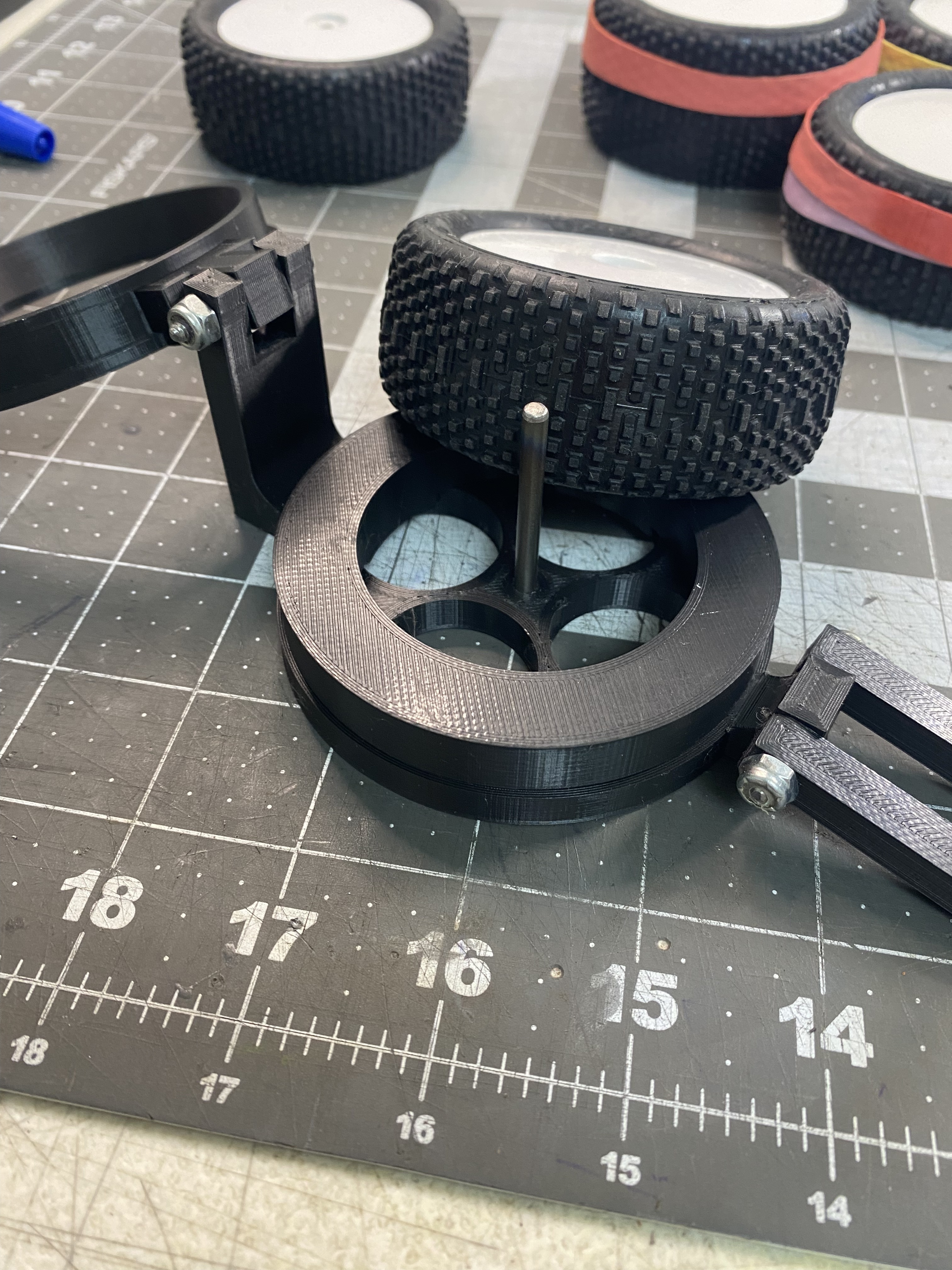
Credit: cults3d.com
Frequently Asked Questions
How To Reglue Rc Car Tires?
Clean the tire and rim thoroughly. Apply CA glue around the inner bead of the tire. Press the tire firmly onto the rim, ensuring an even seal. Allow the glue to dry completely before use. Regularly check for loose areas and reapply glue as needed to maintain a secure fit.
Will Regular Superglue Work On Rc Car Tires?
Regular superglue can work on RC car tires, but specialized tire glue is recommended. Tire glue offers stronger, flexible bonding, enhancing performance. Superglue might not withstand pressure and vibrations during use. Always ensure proper application for optimal adhesion. For best results, choose a glue designed specifically for RC tires.
Do You Glue Both Sides Of Rc Tires?
Yes, glue both sides of RC tires for better grip and durability. This ensures improved performance and prevents tire slippage during high-speed runs. Use quality tire glue for optimal results. Secure attachment to the wheels enhances stability and control.
How Long Does It Take For Rc Tire Glue To Cure?
RC tire glue typically cures within 1 to 2 hours. Complete bonding may require up to 24 hours. Ensure optimal performance by allowing sufficient curing time before use.
Conclusion
Gluing RC car tires is essential for better performance. Follow the steps carefully. Clean the rims and tires well. Apply glue evenly around the tire edges. Press the tire onto the rim firmly. Allow the glue to dry completely before use.
This ensures a strong bond, preventing tire slips during races. Practice makes perfect. With these tips, your RC car will handle better on the track. Feel the difference in control and speed. Enjoy your improved RC racing experience. Keep learning and experimenting for the best results.
Happy racing!