

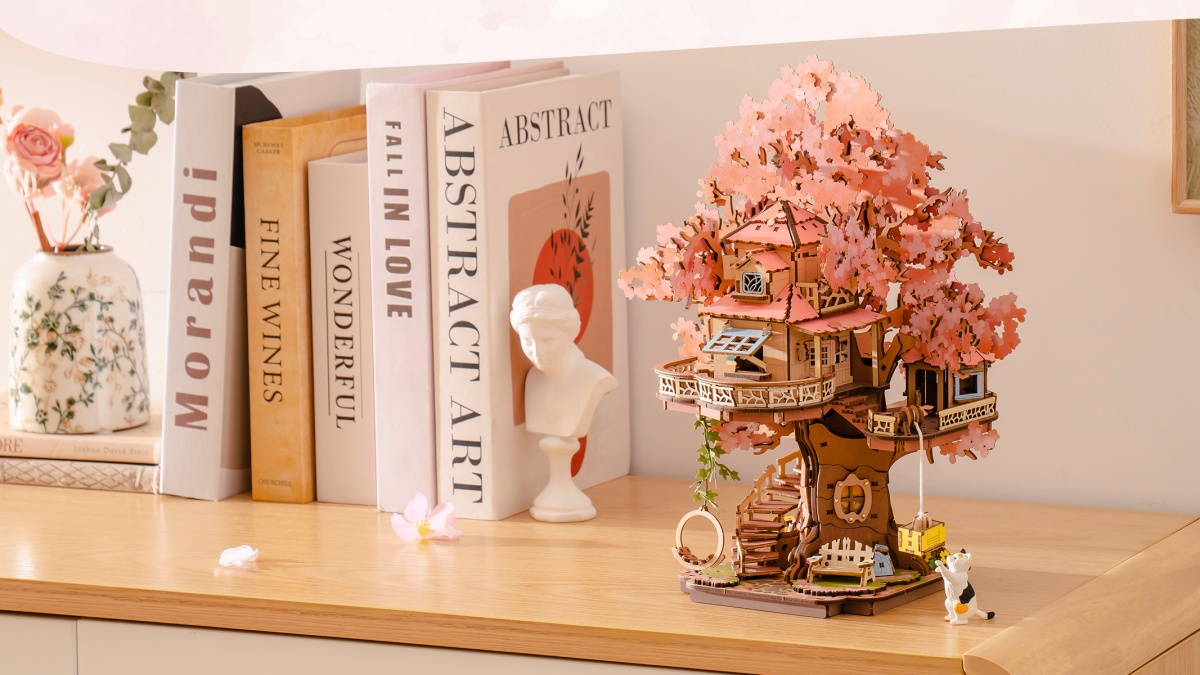
Are you tired of spending hours piecing together your favorite puzzle toy only to have it fall apart when you try to display it? You’re not alone.
Many puzzle enthusiasts face this dilemma, and it can be frustrating. Imagine transforming your intricate puzzle into a stunning piece of art that you can proudly showcase. This is not just about preserving your hard work; it’s about elevating your puzzle to a masterpiece.
In this guide, you’ll discover simple, effective techniques to glue your puzzle toy together, ensuring it remains intact and beautiful for years to come. Stay with us as we unlock the secrets to preserving your puzzles like never before.
Credit: www.rolifeonline.com
Choosing The Right Glue
Choosing the right glue is key to keeping your puzzle toy intact. The glue must hold pieces firmly without damaging them. Selecting the wrong type can cause warping or weak bonds. Knowing the types of glue and important factors helps you pick the best option.
Types Of Glue For Puzzle Toys
- PVA Glue:Also called white glue, it dries clear and is non-toxic. It works well on cardboard puzzles.
- Craft Glue:Similar to PVA but thicker. Good for puzzles with heavier pieces.
- Spray Adhesive:Offers even coverage. Ideal for large puzzles, but requires careful use.
- Mod Podge:A popular choice that seals and glues at once. It gives a shiny finish.
- Super Glue:Bonds quickly but can be brittle. Best for small, durable puzzle parts.
Factors To Consider
- Material Compatibility:Ensure the glue suits the puzzle’s material, like cardboard or wood.
- Drying Time:Faster drying glue saves time but allows less adjustment.
- Finish:Decide if you want a matte or glossy look after drying.
- Safety:Choose non-toxic glue, especially for children’s puzzles.
- Strength:The glue must hold firmly without making the puzzle stiff.
Preparing Puzzle Pieces
Preparing your puzzle pieces properly is key to making sure your glued puzzle toy holds together perfectly. Skipping this step can lead to weak bonds or uneven surfaces. Let’s look at how you can get your pieces ready for gluing with simple but effective actions.
Cleaning Surfaces
Before you glue, clean each puzzle piece thoroughly. Dust, dirt, or grease can stop glue from sticking well. Use a soft cloth dampened with a little water or rubbing alcohol to wipe each piece gently.
Have you ever tried gluing something only to find the pieces fall apart later? That’s usually because the surfaces weren’t clean enough. Take your time here—clean surfaces make a big difference in how strong the bond will be.
Arranging Pieces
Lay out your puzzle pieces exactly as they fit together before applying any glue. This helps you spot any mistakes and ensures you glue the right edges. It also saves you from a frustrating mess if you accidentally glue pieces in the wrong order.
Try arranging your pieces on a flat table and double-check the fit by pressing the pieces together lightly. Does everything line up smoothly? If you find any gaps or misaligned parts, fix them before gluing. This step is your chance to catch problems early and avoid wasted glue.
Applying Glue Effectively
Applying glue effectively is key to keeping your puzzle toy intact and looking great. Too much glue can cause mess and warping, while too little won’t hold the pieces together properly. Finding the right balance and applying it evenly makes your project both sturdy and neat.
Amount To Use
Use just enough glue to cover the puzzle pieces without soaking them. A thin layer is usually all you need to prevent the cardboard from bending or peeling. If you’ve ever tried gluing a puzzle and ended up with glue oozing out the sides, you know how important this is.
Think about how a small dab can spread when pressed. Applying glue sparingly helps avoid excess and keeps the edges sharp. You want the bond to be strong but invisible.
Techniques For Even Application
Use a foam brush or a small paintbrush to spread glue smoothly across the surface. Avoid using your fingers, as they can apply uneven pressure and leave lumps. Try to move the brush in long, steady strokes to cover every inch without overloading any spot.
Another trick is to work in sections. Apply glue to a small area, press the pieces down, and then move on. This helps prevent glue from drying too fast and ensures consistent adhesion.
Have you noticed how some puzzle projects look uneven or warped after gluing? That usually means the glue wasn’t spread evenly. Taking your time with this step makes a huge difference in the final look and durability of your toy.

Credit: www.robotimeonline.com
Ensuring Strong Bonds
Creating a strong bond when gluing puzzle toys is key to keeping pieces firmly together. A solid connection helps the puzzle hold its shape and last longer. Using the right techniques increases glue strength and prevents weak spots that cause breaks.
Focus on proper glue application and securing the pieces while drying. Small details in handling and timing make a big difference in bond quality.
Clamping And Drying Tips
Use clamps or heavy objects to press the pieces together. This stops movement and improves glue contact. Keep pressure steady but not too tight to avoid damage.
Dry the glued toy in a clean, dry place. Avoid humid or cold spots that slow drying. Let it sit undisturbed for at least 24 hours for best results.
Check the glue instructions for exact drying times. Some glues need longer to reach full strength.
Avoiding Common Mistakes
- Do not use too much glue; excess causes mess and weak spots.
- Clean surfaces before gluing to remove dust and oils.
- Avoid moving pieces before glue fully dries; it weakens the bond.
- Do not rush drying times; patience ensures stronger adhesion.
- Use glue suited for the puzzle material, like wood or plastic.

Credit: www.youtube.com
Frequently Asked Questions
How Do I Glue A Puzzle Toy Without Damaging It?
Use a clear, non-toxic craft glue for best results. Apply glue thinly to avoid warping pieces. Press pieces gently and allow drying fully.
What Type Of Glue Works Best For Puzzle Toys?
PVA glue or wood glue works well for most puzzle toys. These glues dry clear and provide a strong bond without damaging the material.
Can I Glue A Puzzle Toy Made Of Plastic?
Yes, use a plastic-specific adhesive like cyanoacrylate (super glue). Apply sparingly to prevent melting or warping the plastic pieces.
How Long Should I Let The Glued Puzzle Dry?
Let the glued puzzle dry for at least 24 hours. This ensures the glue sets fully and the bond is strong and durable.
Conclusion
Gluing a puzzle toy together takes patience and care. Choose the right glue and apply it gently. Press pieces firmly for a strong hold. Let the glue dry fully before moving the puzzle. This method keeps your puzzle intact for longer fun.
Try these steps to save your favorite puzzles. Simple, easy, and effective. Keep your puzzle safe and enjoy it more.