

Have your kids’ plastic outdoor toys seen better days? You know the ones—grimy, sticky, and covered in mysterious spots that weren’t there before.
Keeping these toys clean isn’t just about aesthetics; it’s about ensuring your child’s safety and extending the life of their favorite playthings. Imagine your little ones having fun in a germ-free environment, where their toys look as vibrant as the day you bought them.
Intrigued? Dive into this guide to discover simple, effective ways to restore your kids’ plastic outdoor toys to their former glory. You’ll learn how to tackle dirt and grime with ease, using methods that are gentle on the environment and your wallet. Trust us; you’ll want to keep reading to unlock these secrets.
Credit: www.familyhandyman.com
Gathering Cleaning Supplies
Before you dive into cleaning your plastic outdoor toys, it’s crucial to gather the right supplies. Having everything ready makes the process smoother and ensures you don’t miss any spots or use harsh products. You might be surprised how simple items can do a great job without any damage to the toys or your family’s health.
Essential Tools And Materials
Start by collecting basic tools that help you scrub, rinse, and dry the toys effectively. A soft-bristle brush or old toothbrush works wonders for reaching small crevices. Microfiber cloths are gentle yet effective for wiping down surfaces without scratching.
- A bucket or large container for soaking toys
- Soft sponges or scrubbers
- Old towels for drying
- Spray bottles for applying cleaning solutions
- Rubber gloves to protect your hands during cleaning
Think about the size and shape of the toys too. Larger toys might need a garden hose or access to an outdoor sink, while smaller ones can soak in a basin. Do you have a dedicated cleaning spot that’s easy to rinse and won’t make a mess?
Safe Cleaning Solutions
Choosing the right cleaning solution is just as important as the tools you use. Harsh chemicals can degrade plastic and leave harmful residues, especially if kids play right after cleaning.
Simple mixtures often work best. A blend of warm water and mild dish soap can remove dirt and grime effectively. For tougher stains or mildew, try a solution of one part white vinegar to three parts water. It’s natural and safe, but still powerful enough to sanitize surfaces.
Have you ever checked the labels on your cleaning products? Avoid anything with bleach or ammonia when cleaning toys. These substances can be harmful if not rinsed thoroughly and might cause discoloration or damage to plastic.
Preparing Toys For Cleaning
Preparing plastic outdoor toys for cleaning is a simple but important task. It makes the cleaning process easier and more effective. Taking time to prepare helps remove dirt and keeps the toys safe from damage during washing.
Removing Loose Dirt And Debris
Start by brushing off loose dirt and leaves. Use a soft brush or dry cloth to wipe the surface. Clear away sand, mud, and dust from all corners and crevices. This step prevents dirt from spreading during cleaning. It also makes scrubbing faster and more efficient.
Checking For Damage
Look closely for cracks, sharp edges, or broken parts. Damaged toys can cause injury or break further during cleaning. If you find any issues, set these toys aside. Repair or replace them before use. This check keeps children safe and extends the toy’s life.
Effective Cleaning Techniques
Cleaning plastic outdoor toys keeps them safe and fun for children. Dirt, grime, and germs build up over time. Using effective cleaning techniques removes these quickly. These methods protect the plastic and extend toy life.
Hand Washing Methods
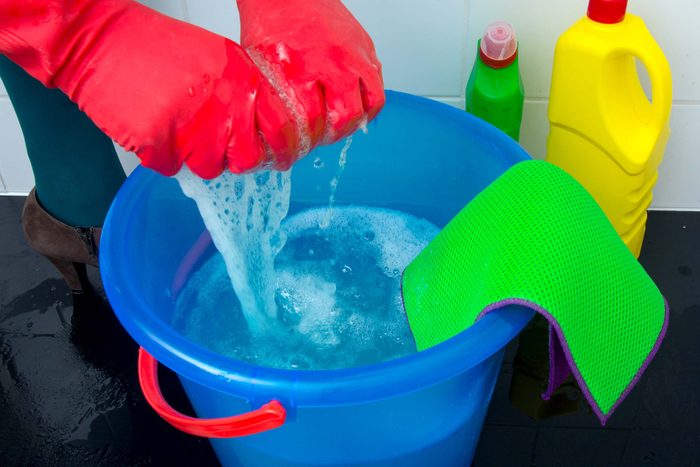
Hand washing works well for most plastic toys. Start by filling a bucket with warm water. Add a mild dish soap to create soapy water. Use a soft cloth or sponge to scrub the toy gently.
- Focus on corners and crevices where dirt hides.
- Rinse thoroughly with clean water to remove soap.
- Dry with a towel or air dry before use.
This method is simple and safe. It avoids damage from harsh chemicals or tools. Hand washing also allows close inspection for cracks or wear.
Using A Pressure Washer Safely
A pressure washer cleans large toys quickly. Use a low-pressure setting to protect the plastic. Hold the nozzle at least 12 inches away from the toy surface.
- Test on a small area first to check for damage.
- Avoid spraying directly at stickers or decals.
- Wear safety goggles to protect eyes from spray.
Pressure washing removes dirt effectively without scrubbing. It is ideal for bulky items like playhouses or slides. Proper care prevents scratches and keeps toys looking new.
Credit: www.rd.com
Drying And Maintaining Shine
Drying plastic outdoor toys properly helps avoid damage and keeps them shiny. Wet toys can collect dirt, mold, and stains quickly. Taking time to dry them well extends their life and maintains their bright look.
Proper Drying Tips
- Use a clean towel to wipe off excess water gently.
- Place toys in a sunny, well-ventilated area to air dry.
- Avoid direct heat sources like heaters or hair dryers.
- Turn toys upside down or on their side to drain hidden water.
- Ensure all crevices and holes are dry to prevent mold.
Preventing Future Stains
- Apply a light coat of vegetable oil or baby oil to restore shine.
- Wipe toys regularly with a damp cloth to remove dirt early.
- Store toys in a dry, shaded place when not in use.
- Use covers or bins to protect toys from dust and rain.
- Clean toys after every outdoor play session to avoid buildup.
Credit: www.goodhousekeeping.com
Frequently Asked Questions
How Often Should I Clean Plastic Outdoor Toys?
Clean plastic outdoor toys every two weeks to remove dirt and germs. Regular cleaning prevents buildup of mold and bacteria, keeping toys safe and fresh for children.
What Is The Safest Cleaning Solution For Plastic Toys?
A mild soap and warm water solution is safest. Avoid harsh chemicals that can damage plastic or harm kids. For disinfecting, use diluted white vinegar or a gentle, non-toxic disinfectant.
Can I Use A Pressure Washer On Plastic Toys?
Yes, but use low pressure to avoid damage. High pressure may crack or deform plastic. Always test on a small area first and keep the nozzle at a safe distance.
How Do I Remove Mold From Plastic Outdoor Toys?
Use a mixture of water and white vinegar to scrub mold away. Vinegar kills mold without toxic residues. Rinse thoroughly and dry toys completely to prevent mold regrowth.
Conclusion
Cleaning plastic outdoor toys keeps them safe and fun for kids. Use mild soap and water for a gentle clean. Scrub away dirt with a soft brush or cloth. Rinse toys well to remove all soap. Dry them completely before storing to avoid mold.
Regular cleaning helps toys last longer and stay bright. A little care makes playtime healthier and happier. Keep these easy steps in mind to enjoy clean toys every day. Simple, safe, and effective.