

Are you on the hunt for the perfect art toys to spark creativity in your 5-year-old? You’re not alone.
Choosing the right art toys can feel like navigating a colorful maze, but it doesn’t have to be overwhelming. Art toys are more than just fun; they’re vital tools that nurture your child’s imagination and development. They help build fine motor skills, encourage self-expression, and can even boost confidence.
In this guide, we’ll unravel the secrets to picking the best art toys that will keep your little one engaged and excited. Get ready to discover how you can turn playtime into a creative adventure that your child won’t want to end. Stick around as we dive into the world of art toys and make your decision-making process as easy as a brush stroke on a canvas.

Credit: www.amazon.com
Age-appropriate Features
Choosing art toys for a 5-year-old can be a delightful journey, especially when you focus on age-appropriate features. These features ensure that the toys are not only safe but also engaging and beneficial for your child’s development. Let’s dive into some key aspects you should consider when picking the perfect art toys for your little artist.
Safety Comes First
At five years old, your child is naturally curious and adventurous. You want to make sure that their art toys are safe for their age. Look for toys without small, detachable parts that could be a choking hazard.
Consider materials that are non-toxic, especially when it comes to paints and markers. It’s comforting to know your child can explore their creativity without any health risks.
Encourage Creativity
Art toys should inspire imagination. Opt for toys that allow your child to express themselves freely, like open-ended playsets with multiple uses. Think about how a simple set of colored clay can turn into anything your child dreams up.
Does your child enjoy painting? A watercolor set with a variety of colors can unleash their inner Picasso. The possibilities are endless when creativity is encouraged.
Skill Development
Toys can be both fun and educational. Select art toys that enhance fine motor skills and hand-eye coordination. Drawing, cutting, and pasting are activities that develop these skills effectively.
Consider a simple craft kit where your child can create their own masterpiece, practicing precision and patience. Over time, these activities can foster a sense of accomplishment and boost confidence.
Ease Of Use
No one likes fumbling around with complicated toys. Choose art toys that are intuitive and easy for your child to use. How about a set of large, easy-to-grip crayons? They’re perfect for little hands.
When toys are user-friendly, your child spends more time creating and less time figuring things out. This fosters a positive and productive playtime experience.
Durability Matters
Kids at this age can be quite rough with their toys. It’s wise to pick art toys that are durable and can withstand a bit of wear and tear. Remember that doll you once bought that lost an arm within a week? Not ideal.
Choosing high-quality materials ensures the toys last longer, providing your child with endless hours of fun and creativity. It’s an investment that pays off.
As you explore these features, think about what will best suit your child’s interests and needs. What art toy will spark joy and creativity in your little one today?
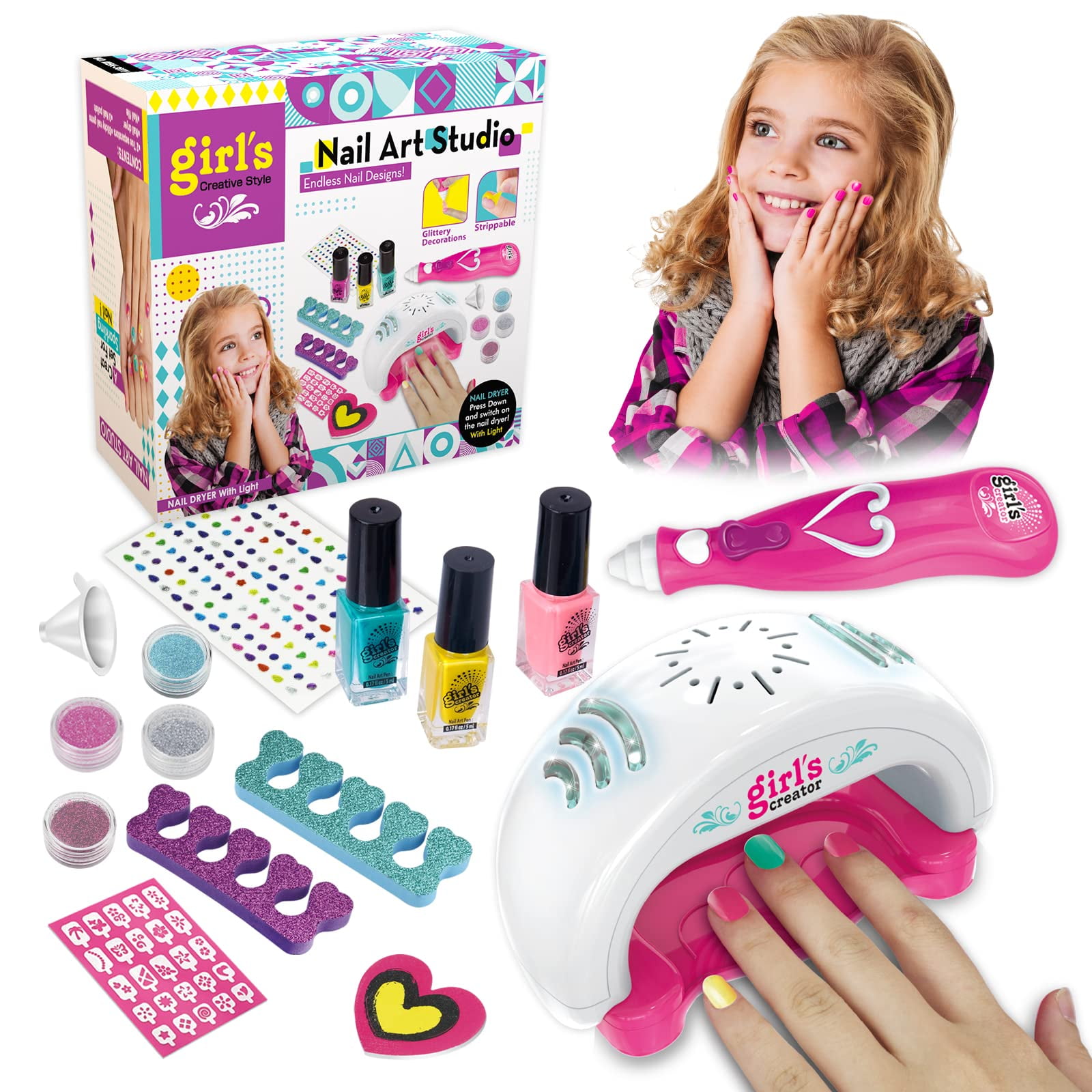
Credit: www.walmart.com
Educational Benefits
Choosing the right art toys for 5-year-olds can be rewarding. These toys offer educational benefits that enrich young minds. They help in developing creativity, problem-solving skills, and emotional expression.
Improving Fine Motor Skills
Art toys encourage the use of fingers and hands. Children grasp, hold, and manipulate different materials. This practice strengthens fine motor skills over time.
Enhancing Creativity
Kids create unique designs with art toys. They explore colors, shapes, and textures. This freedom sparks creativity and imagination.
Boosting Cognitive Development
Art toys challenge children’s thinking. They solve problems and plan their creations. This process boosts cognitive skills effectively.
Emotional Expression
Art allows kids to express feelings. They can show joy, sadness, or excitement through colors. This helps them understand and manage emotions.
Social Interaction
Children share their art projects with peers. They discuss ideas and learn teamwork. This interaction builds social skills naturally.
Building Confidence
Creating art gives a sense of achievement. Kids feel proud of their work. This builds self-esteem and confidence.
Safety Considerations
Choosing art toys for 5-year-olds requires careful consideration of safety. Parents want toys that inspire creativity while ensuring their child’s safety. Understanding safety factors is crucial in making the right choice.
Material Safety
Check the toy’s material for non-toxic components. Young children often put objects in their mouths. Ensure paints and plastics are safe and chemical-free.
Choking Hazards
Small parts can be dangerous for young children. Inspect toys for detachable parts that could pose a choking risk. Opt for larger, solid pieces.
Age Appropriateness
Toys should match the child’s developmental stage. Verify the recommended age on packaging. This ensures the toy is suitable and safe for your child.
Durability
Durable toys reduce the risk of breakage. Broken toys can have sharp edges or small pieces. Choose toys made from robust materials.
Supervision Needs
Some toys require adult supervision. Read instructions and labels to understand supervision requirements. This ensures safe and enjoyable playtime.

Credit: www.amazon.com
Frequently Asked Questions
What Do 5 Year Olds Like To Draw?
Five-year-olds enjoy drawing animals, family members, trees, houses, and simple scenes. They often use bright colors and imaginative elements. Their artwork reflects their creativity and growing understanding of the world around them. Encouraging their artistic expression helps develop their motor skills and boosts confidence.
What To Get Kids Who Like Art?
Consider art supplies like sketchbooks, watercolor sets, colored pencils, or acrylic paints. Art kits with step-by-step instructions inspire creativity. Craft projects, such as clay modeling sets or DIY jewelry kits, also make great gifts. Art-themed books or museum memberships can further nurture a child’s artistic interests.
What Are The Must Have Art Supplies For Kids?
Kids need crayons, colored pencils, markers, paints, brushes, paper, scissors, glue, and clay for art projects. Encourage creativity with these basic supplies.
How Do I Teach My 5 Year Old Art?
Encourage creativity with simple supplies like crayons and paper. Explore nature for inspiration. Use fun art activities, like finger painting. Celebrate their unique creations.
Conclusion
Choosing the right art toys can boost your child’s creativity. Consider their interests and abilities first. Opt for toys that are safe and age-appropriate. Simple tools like crayons or clay work wonders. Encourage their imagination through play. Engage with them while they explore these toys.
This strengthens their bond with you. Watch them create and learn with joy. Art toys can be a fun way to support their development. Choose wisely to nurture their artistic spirit. Remember, the best toys inspire both fun and learning.
Happy creating!