

Imagine watching your furry friend wagging its tail in excitement as it solves a puzzle toy you crafted just for them. Sounds delightful, right?
Puzzle toys for dogs are not only fun but also a fantastic way to keep your pet’s mind sharp and engaged. They can help reduce boredom, anxiety, and even destructive behavior. If you’ve ever wondered how to build these brain-teasers for your canine companion, you’re in the right place.
In this guide, you’ll discover easy and creative ways to make puzzle toys that will challenge your dog and bring endless joy. Stick around, because by the end, you’ll be ready to surprise your pup with some homemade fun that could also strengthen your bond.
Benefits Of Puzzle Toys
Puzzle toys offer many benefits for dogs beyond simple play. These toys engage a dog’s mind and body, making playtime more rewarding. Building puzzle toys at home can enhance your dog’s health and happiness. Understanding these benefits helps motivate you to create fun, stimulating toys.
Mental Stimulation For Dogs
Puzzle toys challenge a dog’s brain. Dogs must think and figure out how to get treats or toys inside. This mental workout keeps their mind sharp and active. It helps prevent mental decline as dogs age. A busy brain means a happier dog.
Preventing Boredom And Anxiety
Boredom can lead to destructive behavior in dogs. Puzzle toys keep dogs busy and distracted. They reduce stress by providing a fun outlet for energy. Dogs feel calmer and more relaxed after playing with puzzles. This lowers anxiety and improves overall behavior.
Improving Problem-solving Skills
Puzzle toys encourage dogs to use problem-solving skills. They learn to try different ways to reach their reward. This builds confidence and patience over time. Dogs become better at solving new challenges in daily life. Problem-solving toys make dogs smarter and more adaptable.

Credit: www.companionanimalpsychology.com
Materials You’ll Need
Gathering the right materials is key to creating fun and effective puzzle toys for your dog. You don’t need fancy store-bought items—many useful supplies are already in your home. The trick is choosing materials that are safe, durable, and engaging for your pet.
Common Household Items
Look around your kitchen and craft supplies for items like empty cardboard boxes, toilet paper rolls, and plastic bottles. These can form the base of many puzzle toys. Old towels or fabric scraps work well for hiding treats or creating interactive layers.
Have you noticed how your dog loves a crinkly sound? Wrapping treats in paper or using bubble wrap (supervised) can add an extra sensory element. Just make sure nothing sharp or toxic is within reach.
Safe And Dog-friendly Supplies
Safety always comes first. Avoid materials that can splinter or break into small, sharp pieces. Choose non-toxic, BPA-free plastics or untreated wood if you want something more durable than cardboard.
Consider dog-safe glue or non-toxic paints if you plan to decorate or secure parts. Natural rubber balls or silicone molds can also work as interactive pieces. Always check if the items are labeled safe for pets.
Tools For Assembly
Having the right tools can make building puzzle toys much easier. Scissors and utility knives help you cut shapes precisely. Hot glue guns or strong tape hold pieces firmly but keep an eye on your dog to avoid ingestion.
You might also want a ruler or measuring tape for accuracy, especially if you’re making compartments or sliding panels. Small containers or muffin tins can help organize treats inside the toy. Are you ready to get creative with what you already own?
Simple Diy Puzzle Toy Ideas
Creating puzzle toys for your dog doesn’t have to be complicated or expensive. Simple DIY ideas can keep your furry friend mentally stimulated and entertained using everyday items around your home. These toys encourage problem-solving and reward your dog with treats, making playtime both fun and rewarding.
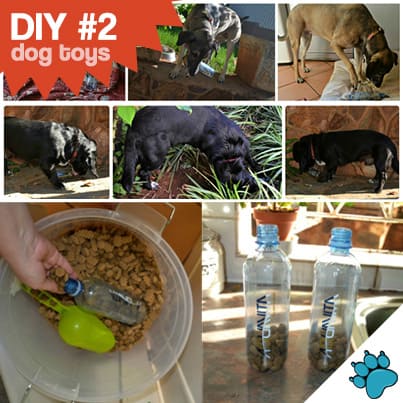
Treat-dispensing Bottles
Grab an empty plastic bottle and clean it thoroughly. Cut a few small holes just big enough for treats to fall out when the bottle rolls or is nudged.
Fill the bottle with your dog’s favorite small treats or kibble. Watching your dog figure out how to get the treats out will keep them busy and happy. You can adjust the hole size based on how challenging you want the toy to be.
Hidden Snack Boxes
Use a small box or container with a lid and create a few holes or flaps for your dog to open. Hide treats inside and let your dog figure out how to get to the snacks.
This toy makes your dog use their nose and paws to solve the puzzle. It’s a simple way to challenge their mind without needing any special tools.
Interactive Tug And Pull Toys
Take an old towel or piece of fabric and tie it into knots or braid strips together. Hide treats inside the fabric folds or knots.
Your dog will tug and pull to uncover the hidden snacks, turning mealtime into an exciting game. This toy also helps with their chewing instincts and provides physical exercise.

Credit: www.smartbark.co.uk
Tips For Success
Building puzzle toys for your dog is a rewarding way to keep them mentally sharp and entertained. Success depends not just on the toy itself but on how you introduce and maintain it. These tips will help you create a fun and safe experience that your dog looks forward to every time.
Introducing Toys Gradually
Start by showing your dog the puzzle toy without any treats inside. Let them sniff and explore it at their own pace. This helps reduce any confusion or frustration they might feel with a new object.
Once your dog seems curious and comfortable, add easy-to-reach treats. This encourages them to understand the game without feeling overwhelmed. Have you noticed how your dog’s tail wags more when they finally figure it out?
Adjusting Difficulty Levels
Begin with simple puzzles that require minimal effort to solve. As your dog gets better, gradually increase the challenge by hiding treats deeper or adding more steps. This keeps their interest alive and pushes their problem-solving skills.
If your dog seems stuck or loses interest, try going back to an easier level. Watching your pet’s excitement when they succeed is proof that the right difficulty makes all the difference.
Keeping Toys Clean And Safe
Regularly wash your puzzle toys to prevent bacteria buildup. Many homemade toys can be wiped down or soaked in mild soap and water. This keeps your dog healthy and ensures they keep enjoying the game.
Also, inspect toys for wear and tear. Loose parts or sharp edges can hurt your dog. Have you ever checked a toy and found it wasn’t as sturdy as you thought?
Credit: pethero.co.za
Frequently Asked Questions
What Materials Are Best For Diy Dog Puzzle Toys?
Use non-toxic, durable materials like wood, plastic, or fabric. Avoid small parts that dogs can swallow. Ensure materials are safe, washable, and sturdy to withstand chewing and play.
How Do Puzzle Toys Benefit A Dog’s Mental Health?
Puzzle toys stimulate a dog’s brain and encourage problem-solving. They reduce boredom and anxiety by providing engaging, rewarding activities that promote focus and mental exercise.
Can I Customize Puzzle Toys For My Dog’s Size?
Yes, customize puzzle toy size and difficulty based on your dog’s breed and skill level. Adjust compartments and challenges to keep your dog interested and motivated.
How Often Should I Rotate Puzzle Toys For My Dog?
Rotate puzzle toys every few days to keep your dog engaged. Changing toys prevents boredom and maintains mental stimulation, making playtime more exciting.
Conclusion
Building puzzle toys for dogs brings joy and mental challenge. These toys keep dogs busy and happy for longer. Use safe materials and simple designs to start. Change puzzles regularly to keep your dog interested. Watching your dog solve puzzles feels rewarding.
Give your dog a fun way to learn. Try making puzzle toys at home today. Small efforts create big smiles for your pet.