

Imagine the thrill of watching your RC car soar through the air, performing amazing jumps and stunts. You can experience this excitement right at home by building your own RC car ramp.
Whether you’re a hobbyist looking to enhance your RC adventures or a parent seeking a fun project with your kids, creating a ramp is easier than you might think. You’ll discover step-by-step instructions that will empower you to construct a ramp tailored to your needs.
You’ll learn how to choose the right materials, design a ramp that suits your space, and ensure it delivers the perfect balance of speed and height. Get ready to unleash the full potential of your RC car and add a new dimension to your racing experience. Dive in to unlock the secrets of crafting a ramp that will transform your backyard into an exhilarating RC playground!
Materials And Tools
Gather plywood, screws, and a saw to build an RC car ramp. Use a measuring tape and drill for precision. Sandpaper ensures smooth surfaces for safe jumps.
Building an RC car ramp is not just about putting pieces together; it’s a chance to flex your creative muscles and gain hands-on experience. Your choice of materials and tools can make or break the success of your ramp. Picking the right ones ensures durability and enhances the thrill of watching your RC car soar through the air. Let’s dive into what you’ll need to create an exciting RC car ramp.Materials
Choosing the right materials lays the foundation for your ramp’s performance. You want something sturdy yet lightweight.
- Plywood:Perfect for a solid base. It’s easy to cut and provides a smooth surface.
- Wooden planks:Ideal for the ramp’s frame. They offer strength and stability.
- Sandpaper:Ensures a smooth finish and helps to avoid splinters.
- Nails and screws:Essential for securing the frame and ramp surface.
Have you considered repurposing old materials? Using leftover wood from previous projects can save money and add a unique touch to your ramp.
Tools
With the right tools, building an RC car ramp can become an enjoyable project rather than a frustrating ordeal.
- Hammer and screwdriver:Basic tools for assembling the ramp.
- Saw:Use a hand saw or electric saw to cut wood to the desired size.
- Tape measure:Crucial for precise measurements, ensuring the ramp’s symmetry.
- Drill:Makes creating holes for screws much easier and faster.
Do you have a favorite tool that you always reach for when building? Incorporating tools you are familiar with can streamline the process and boost your confidence.
Equipped with the right materials and tools, you’re ready to embark on your RC car ramp adventure. What unique features will you add to make your ramp stand out?
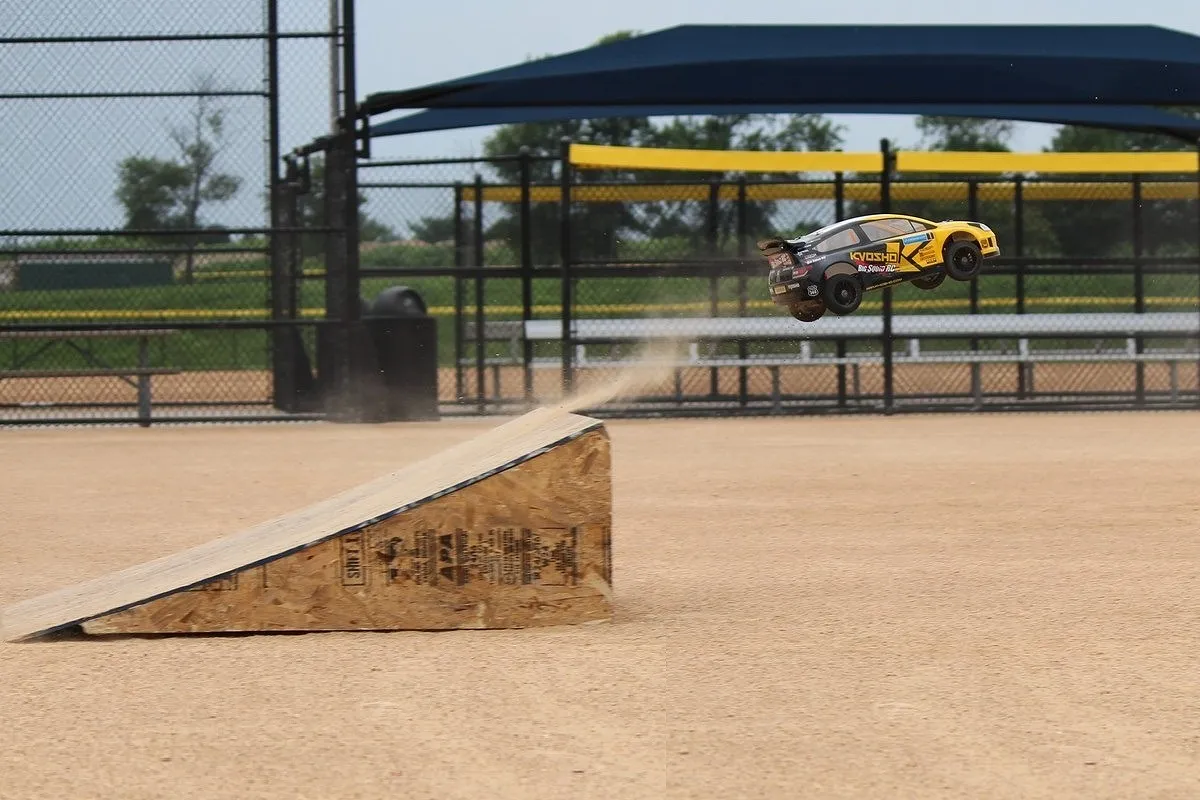
Credit: hobbiesdirect.com.au
Step-by-step Construction
Creating an RC car ramp involves selecting sturdy materials like plywood and measuring the desired ramp size. Assemble the pieces securely and angle them for optimal jumps. Finish by sanding the surface smooth for safe and thrilling RC car stunts.
Building an RC car ramp can be a fun and rewarding project. It allows you to test your RC car’s capabilities. The construction process requires careful planning and execution. You need to ensure the ramp is sturdy and safe for use. Below is a step-by-step guide to help you build your own RC car ramp.Gather Your Materials
Start by gathering all necessary materials. You will need plywood, nails, screws, and a saw. A measuring tape is essential for accurate dimensions. Consider using sandpaper for smooth finishes.Design Your Ramp
Sketch a basic design for your ramp. Decide on the height and length. A steeper ramp offers more challenge, while a gentle slope is easier.Cut The Wood
Use the saw to cut the plywood according to your design. Ensure all pieces are measured correctly. Precision is key to a successful build.Assemble The Base
Lay out the cut pieces and assemble the base. Use nails and screws to secure the wood. Check stability to prevent wobbling.Build The Ramp Surface
Attach the ramp surface to the base. Ensure the surface is smooth. Sandpaper can help eliminate rough edges.Test The Ramp
Place your RC car on the ramp and test its performance. Make adjustments if necessary. Ensure the ramp supports the car without issues.Enhance With Decorations
Consider painting or adding stickers to personalize the ramp. This step adds visual appeal and uniqueness.Safety Check
Ensure all edges are smooth and safe. Verify the ramp’s stability before use. Safety should always be a priority.Safety And Testing Tips
Building an RC car ramp requires attention to safety and thorough testing. Ensure the ramp is stable and smooth to prevent accidents. Test with different speeds and angles to find the safest setup for thrilling jumps.
Building an RC car ramp is an exciting project. Ensuring safety and proper testing keeps the fun going without mishaps. Implementing safety measures protects your RC car and surroundings. Testing helps fine-tune the ramp for optimal performance.Check Ramp Stability
Ensuring stability prevents accidents. Use strong materials like plywood or MDF. Secure the ramp on a flat surface. Check for loose parts or uneven edges. Test the ramp with gentle pressure. It should not wobble or shift.Inspect For Sharp Edges
Sharp edges can damage your RC car. Run your hand along the ramp’s surface. Feel for rough spots or protruding nails. Sand down any rough edges. Cover sharp corners with foam or tape.Test With Lightweight Cars First
Begin testing with lightweight RC cars. These cars reduce the risk of damage. Observe how the car lands and rolls. Adjust ramp height or angle if necessary. Ensure the car lands smoothly.Monitor Car Speed
High speed increases the chance of crashes. Start with slow speeds. Gradually increase as you gain confidence. Watch how speed affects the car’s trajectory. Adjust ramp design based on observations.Ensure Clear Landing Zone
A clear landing zone is vital for safety. Remove obstacles like rocks or debris. Ensure the ground is even and soft. This reduces impact on the car. Test different landing zones for best results.Use Protective Gear
Wearing protective gear is important. Gloves protect hands from sharp edges. Safety goggles shield eyes from flying debris. Always keep a first aid kit nearby. Safety gear minimizes risk during testing.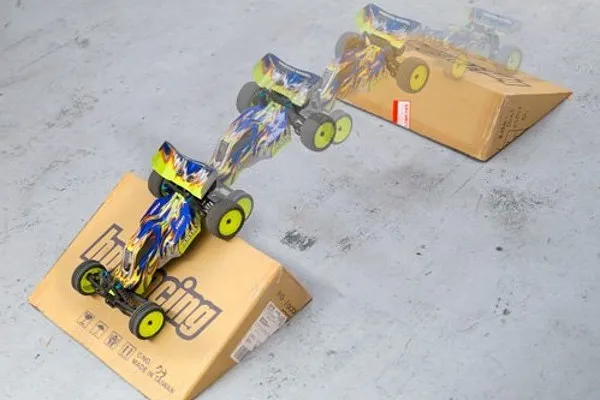
Credit: hobbiesdirect.com.au

Credit: www.911motorsports.net
Frequently Asked Questions
What Is The Best Angle For An Rc Car Jump?
The optimal angle for an RC car jump is around 30 to 45 degrees. This angle balances speed and height, ensuring a smooth landing. Adjust based on your RC car’s weight and terrain for best results. Always test and refine for improved performance and safety.
Can I Use A 2×4 As A Car Ramp?
Using a 2×4 as a car ramp is unsafe and not recommended. It can’t support a vehicle’s weight. Always use purpose-built ramps designed for cars to ensure safety.
How To Build An Accessible Ramp?
Ensure the ramp has a gentle slope, typically 1:12 ratio. Use slip-resistant materials for safety. Install handrails for support. Secure the ramp with a sturdy foundation. Follow ADA guidelines for accessibility compliance.
How To Build A Cardboard Car Ramp?
Start by cutting a long piece of cardboard for the ramp. Create side railings using smaller cardboard strips. Secure the pieces with tape. Ensure the ramp is sturdy by reinforcing the base. Test the ramp with toy cars for smoothness and adjust as needed.
Conclusion
Building an RC car ramp is simple and fun. Gather your materials. Follow the steps carefully. Measure twice. Cut once. Ensure stability for safety. Test your ramp with different cars. Adjust as needed. Enjoy watching your RC car soar. Invite friends for a ramp race.
Share your creation online. Get feedback. Improve your design. Remember, practice makes perfect. Each ramp is unique. Learn from mistakes. Experiment with new shapes. Keep refining your skills. Soon, you’ll build ramps like a pro. Your RC car adventures await.
Dive in and start building today!