

Are you overwhelmed by the sheer number of electronic toys available for your baby? You’re not alone.
As a parent, you want the best for your little one, but it can be challenging to figure out exactly how many of these gadgets are truly necessary. This dilemma is common for many parents who want to strike the right balance between nurturing development and avoiding overstimulation.
Imagine a scenario where you choose just the right amount of toys that enhance your baby’s growth without cluttering your home. Intrigued? Keep reading to discover how you can make informed decisions that will benefit both you and your baby.
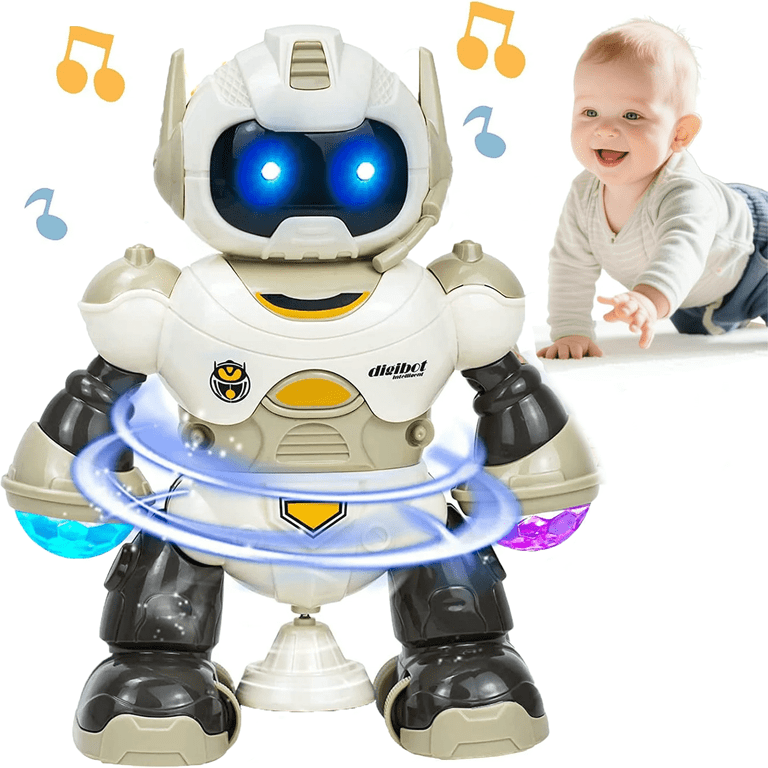
Credit: www.walmart.com
Benefits Of Electronic Toys
Electronic toys offer more than just entertainment for babies—they provide real benefits that support early learning and growth. These toys engage multiple senses and encourage active participation, which can boost your baby’s development in important ways. Let’s look at how electronic toys can help your baby’s brain, body, and senses thrive.
Cognitive Development
Electronic toys often include lights, sounds, and interactive buttons that challenge your baby to think and react. This interaction encourages problem-solving skills as your baby learns cause and effect, such as pressing a button to hear a song or see a light flash.
Have you noticed how your baby’s eyes light up when they figure out how to make a toy work? That moment of discovery is a key part of building memory and attention skills.
Motor Skills Improvement
Many electronic toys require babies to reach, press, or grasp, which helps improve their fine motor skills. Toys with large buttons or levers invite your baby to practice hand-eye coordination and finger strength.
For example, a toy piano encourages finger tapping and helps your baby develop muscle control that will later support writing and self-care tasks.
Sensory Stimulation
Electronic toys provide a rich mix of sounds, colors, and textures that stimulate your baby’s senses. This variety helps your baby learn to process different types of sensory information in a fun and engaging way.
Think about how your baby reacts to different sounds or flashing lights—these experiences help build their sensory awareness and can even soothe or excite them depending on the toy’s design.
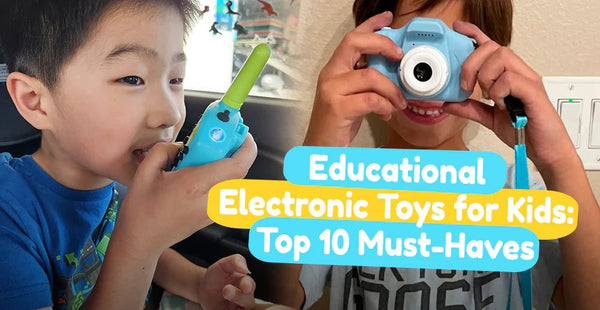
Credit: www.thelittlelearnerstoys.com
Choosing Age-appropriate Toys
Choosing age-appropriate toys helps support a baby’s growth and safety. Toys designed for specific stages match their skills and interests. The right toy encourages learning and fun without causing frustration or harm. Understanding what suits each age group makes toy selection easier and more effective.
Toys For Newborns
Newborns need toys that stimulate their senses gently. Soft textures, high-contrast colors, and simple shapes work best. Toys that make soft sounds or have gentle lights can attract their attention. Safety is key—choose items free from small parts and toxic materials.
Toys For Infants
Infants explore by touching and mouthing objects. Toys with different textures and easy-to-grasp shapes help develop motor skills. Rattles, teething rings, and soft blocks fit well. Toys that encourage reaching and rolling support physical growth and curiosity.
Toys For Toddlers
Toddlers enjoy toys that challenge their growing abilities. Building blocks, simple puzzles, and musical toys encourage creativity and problem-solving. Toys promoting movement, like push toys, support balance and coordination. Choose sturdy, safe toys that can handle rough play.
Balancing Screen Time And Play
Balancing screen time and play is important for a baby’s growth. Electronic toys offer fun and learning but too much screen time can cause issues. Finding the right mix helps babies develop well and stay happy.
Setting Time Limits
Set clear time limits for electronic toy use each day. Short sessions of 10 to 15 minutes work best for babies. Avoid long screen exposure to protect their eyes and brain development. Use timers or alarms to keep track of playtime. Consistency helps babies understand when play starts and ends.
Encouraging Interactive Play
Choose electronic toys that require baby interaction. Toys with buttons to press or sounds to make are good choices. Encourage babies to explore and discover cause and effect. Join in play to guide learning and build bonds. Interactive play supports thinking, coordination, and language skills.
Combining Electronic And Traditional Toys
Mix electronic toys with traditional ones like blocks and stuffed animals. Traditional toys spark imagination and physical skills. Electronic toys add sound and light for extra engagement. This balance offers a wide range of learning experiences. Babies enjoy variety and develop multiple abilities.

Credit: d499841cc0110abf.en.made-in-china.com
Signs Your Baby Has Enough Toys
Knowing when your baby has enough toys helps create a balanced play environment. Too many toys can overwhelm your baby and reduce their interest. Watching your baby’s reactions shows you if the toy collection is just right.
Observing Interest Levels
Notice if your baby plays with toys actively or ignores them quickly. A baby with enough toys will focus on a few favorites. If your baby seems bored or distracted, it might mean too many options.
Avoiding Overstimulation
Babies can get overwhelmed by too many sounds and colors. Signs include fussiness or difficulty calming down. Having fewer toys with simple features helps your baby stay calm and happy.
Rotating Toys For Engagement
Changing toys regularly keeps your baby curious and interested. Instead of giving all toys at once, offer a few and switch them often. This method makes playtime fresh without needing many toys.
Frequently Asked Questions
How Many Electronic Toys Are Ideal For Babies?
Babies need only a few electronic toys to keep them engaged. Two to three well-chosen toys provide enough stimulation without overwhelming them. Quality and educational value matter more than quantity.
Can Too Many Electronic Toys Harm Baby Development?
Yes, too many electronic toys can overstimulate babies and hinder creativity. Balance electronic play with traditional toys and hands-on activities for healthy growth.
What Age Is Appropriate For Electronic Toys For Babies?
Electronic toys are best introduced around 6 months when babies can interact more. Choose age-appropriate toys with simple sounds and lights to support learning and sensory development.
Are Electronic Toys Better Than Traditional Toys For Babies?
Electronic toys offer interactive features but traditional toys encourage imagination. A mix of both types supports diverse skills and keeps playtime balanced and enriching.
Conclusion
Babies do not need many electronic toys to stay happy. A few simple ones can help them learn and play. Too many toys might cause distraction and less focus. Choose toys that encourage movement and creativity. Watch how your baby reacts to each toy.
Quality matters more than quantity. Remember, loving attention is the best gift for a baby’s growth. Balance electronic toys with other types of play. This approach supports healthy development and joyful moments. Keep it simple and enjoy the process.