

Imagine watching your child light up with excitement as they play with a toy that not only entertains but also educates. As a parent, you always want the best for your child, and that includes the toys they play with.
But how do you ensure their playtime is both fun and beneficial? You’re not alone in wondering about this. Across the United States, parents just like you are increasingly turning to educational toys to give their kids a head start.
But how widespread is this trend? Are you part of a growing movement, or is it still a niche practice? Dive into the fascinating world of educational toys and discover how many American parents are making this choice. You’ll be surprised by what we found. Keep reading to uncover the impact these toys can have on your child’s development and see if you’re maximizing their playtime potential.
Credit: www.forbes.com
Popularity Of Educational Toys
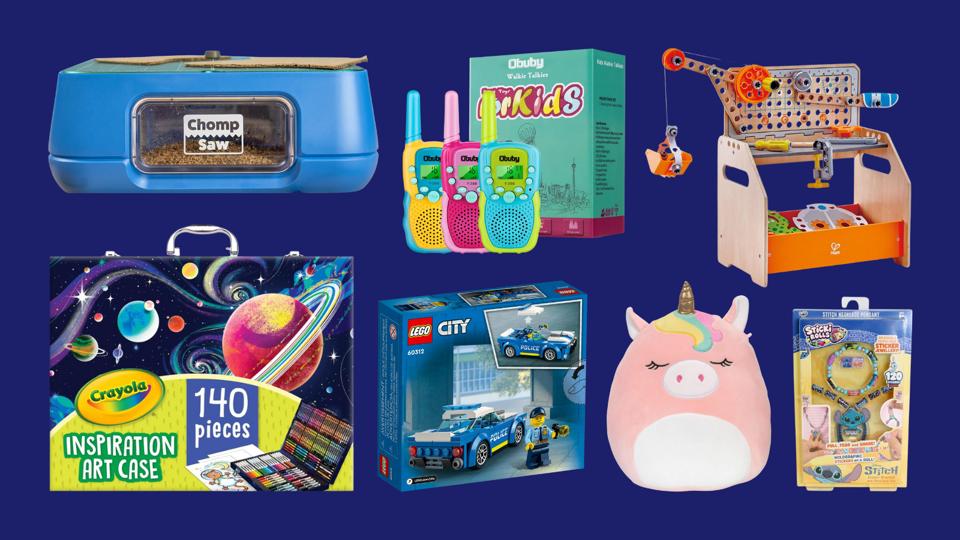
Educational toys have become a common choice for many American parents aiming to boost their children’s learning outside the classroom. These toys are not just about fun; they play a key role in developing critical skills like problem-solving, creativity, and literacy. The rising popularity reflects a shift in how parents view playtime as an opportunity for growth.
Trends Driving The Popularity
More parents are choosing educational toys because they want to give their kids a head start. The market now offers options for every age, from puzzles that enhance spatial skills to science kits that spark curiosity.
Schools and educators often recommend toys that align with learning goals, which influences parents’ choices.
Types Of Educational Toys Favored By Parents
- STEM Kits:These kits focus on science, technology, engineering, and math, making them highly sought after.
- Language and Literacy Toys:Flashcards, alphabet blocks, and reading games are popular for early literacy.
- Creative Arts Sets:Art supplies and musical instruments encourage creative thinking and fine motor skills.
How Parents Decide What To Buy
Parents often look for toys that balance education and entertainment. They want something that keeps their child engaged while teaching valuable lessons.
Reviews, recommendations from other parents, and expert advice usually guide purchasing decisions.
Using educational toys regularly can improve concentration and boost confidence in young learners.
These toys offer practical ways for kids to explore new concepts, making learning feel natural and enjoyable.
Are You Choosing The Right Educational Toy?
Think about your child’s interests and strengths before picking a toy. What skills do you want to nurture, and how does the toy support that?
Choosing wisely ensures your child benefits fully from their playtime experiences.
Age Groups And Toy Preferences
Understanding the age groups and toy preferences of American children helps you choose the right educational toys that truly benefit their development. Different stages of childhood require different kinds of learning tools, and parents often tailor their choices to match these needs. Knowing what toys are popular or effective at each age can guide your decisions and make learning fun for your kids.
Educational Toys For Toddlers (ages 1-3)
Toddlers are explorers. They enjoy toys that stimulate their senses and motor skills. Parents often pick toys like building blocks, simple puzzles, and shape sorters to help toddlers develop hand-eye coordination and problem-solving skills.
These toys encourage curiosity and can keep your little one engaged for longer periods. Have you noticed how a simple stacking toy can hold your toddler’s attention while teaching balance and colors?
Preschoolers’ Favorites (ages 4-6)
At this stage, kids start grasping basic concepts like numbers, letters, and simple science. Educational toys that combine learning with creativity are highly preferred. Items like alphabet magnets, counting games, and interactive storybooks are popular choices among parents.
These toys support early literacy and math skills while fostering imagination. Think about how your child lights up when they recognize a letter or count objects during play—it’s a sign these toys work.
Elementary Age Preferences (ages 7-10)
Children in this group are ready for more complex challenges. STEM kits, science experiments, and advanced puzzles attract their interest. Parents often seek toys that promote critical thinking and hands-on learning.
These toys help kids apply school knowledge in practical ways. Have you tried a simple robotics kit with your child? It’s a great way to combine fun with education and build confidence.
Tweens And Teens (ages 11-14)
Tweens and teens prefer educational toys that align with their hobbies and future goals. Coding games, advanced building sets, and educational board games are common picks. These toys encourage strategic thinking and technical skills.
Supporting your child’s growing independence with age-appropriate educational tools can make a big difference. What skills do you want your tween to develop this year, and which toys could help?
Factors Influencing Toy Choices
Choosing the right educational toys involves many factors. Parents want toys that help kids learn and grow. Safety is a top concern for most families. Toys must be safe and suitable for a child’s age. The price also influences the choice. Families look for toys that offer good value without breaking the budget.
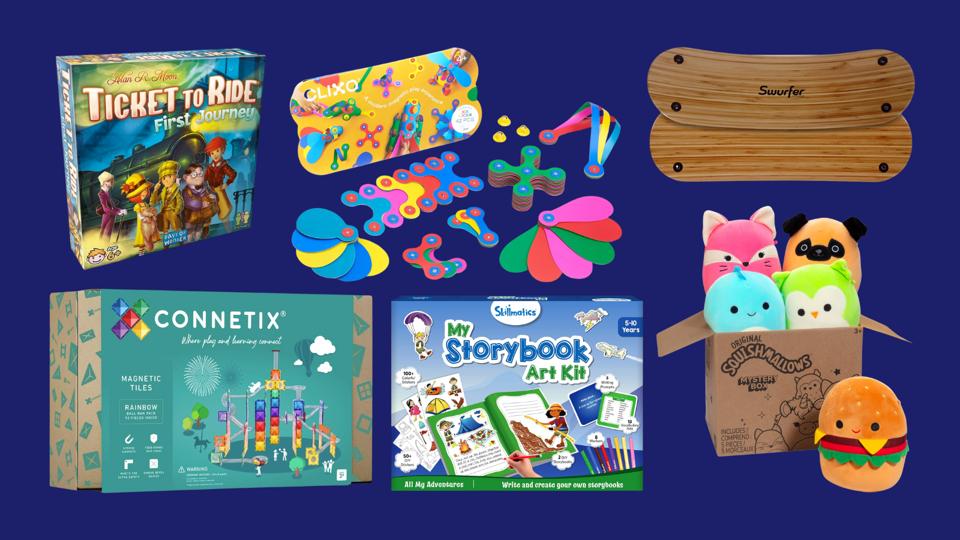
Another factor is the toy’s ability to engage a child’s interest. Kids learn best when they enjoy playing. Parents often pick toys that match their child’s hobbies or skills. Some toys focus on building creativity, while others improve problem-solving or motor skills.
Age Appropriateness And Safety
Toys must fit the child’s age and development stage. Small parts can be dangerous for young children. Labels and warnings guide parents in safe choices. Age-appropriate toys help kids use the toy properly and learn from it.
Educational Value And Learning Goals
Parents want toys that teach useful skills. Some toys promote reading, math, or science skills. Others encourage social skills or emotional growth. Toys that combine fun and learning are often chosen.
Price And Budget Considerations
Families have different budgets for toys. Some spend more on durable, high-quality toys. Others look for affordable options with good reviews. Sales and discounts can also influence buying decisions.
Child’s Interests And Preferences
Toys that match a child’s interests keep them engaged longer. Parents observe what their child enjoys. They select toys related to hobbies, favorite characters, or activities. This helps children stay curious and motivated to learn.
Credit: www.forbes.com
Impact On Child Development
Giving children educational toys is more than just a fun activity; it plays a vital role in their overall development. These toys stimulate curiosity, creativity, and critical thinking, helping kids build important skills early on. Understanding how these toys influence growth can guide you in choosing the right ones for your child.
Enhancing Cognitive Skills
Educational toys challenge your child’s brain by encouraging problem-solving and decision-making. Puzzles, building blocks, and memory games promote logical thinking and improve concentration. Have you noticed how your child’s ability to focus grows after playing with a new educational toy?
Boosting Social Interaction
Many educational toys encourage group play, which helps children develop communication and teamwork skills. Sharing ideas and working together on a project teaches empathy and cooperation. What conversations spark between your child and their friends while playing with these toys?
Supporting Emotional Growth
Playing with educational toys allows children to express emotions and build confidence. Success in completing a challenging task can boost self-esteem and motivate them to take on new challenges. How often do you see your child’s excitement when they master a new toy or concept?
Encouraging Creativity And Imagination
Toys that promote creativity, like art sets or building kits, let your child explore new ideas. This kind of play helps develop innovative thinking and problem-solving abilities. What unique creations has your child made that surprised you?

Credit: www.technavio.com
Frequently Asked Questions
How Many Americans Buy Educational Toys For Kids?
About 65% of American parents regularly purchase educational toys for their children. These toys are popular for promoting learning and development at home.
Why Do Parents Prefer Educational Toys?
Parents choose educational toys because they support cognitive and motor skills. Such toys also encourage creativity and problem-solving in children.
What Age Group Receives Educational Toys Most?
Children aged 3 to 8 years old are the most common recipients of educational toys in the U. S. This age is critical for early development.
Are Educational Toys Popular Across All Income Levels?
Yes, educational toys are popular across various income groups. However, higher-income families tend to spend more on premium educational toys.
Conclusion
Many American parents choose educational toys for their children. These toys help kids learn while they play. Parents see value in toys that teach skills and creativity. The trend shows a growing interest in learning through play. Giving kids educational toys supports their development.
This choice reflects a desire to prepare children for the future. Educational toys remain popular because they combine fun and learning. Parents want their kids to enjoy playtime and grow smart.