

Ever wondered just how fast that shiny 2.4 GHz RC car of yours can go? You’re not alone.
Many enthusiasts are curious about the speed and performance of their remote-controlled cars. The thrill of racing these miniature machines is unmatched, but understanding their capabilities can truly enhance your experience. Imagine the excitement of watching your RC car zoom past with incredible speed, leaving a trail of dust behind.
We’ll dive into the fascinating world of 2. 4 GHz RC cars, revealing the secrets behind their speed and what it means for you. Get ready to uncover information that will not only satisfy your curiosity but also give you the edge in your next race. Stay tuned, because what you discover might just surprise you.
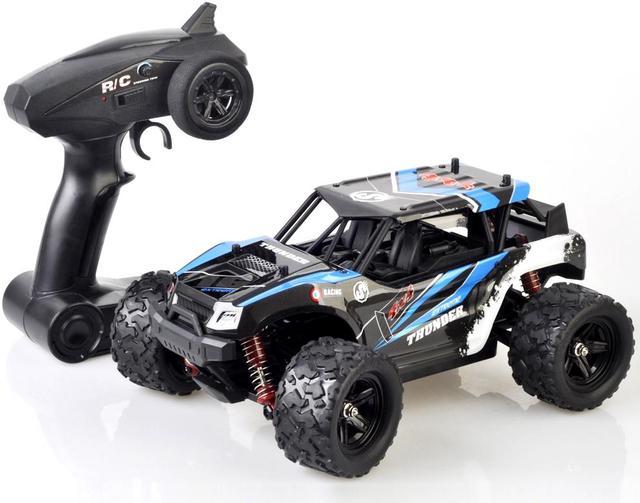
Credit: www.newegg.ca
Rc Car Speed Basics
When it comes to RC cars, speed is often the thrilling factor that draws enthusiasts into the hobby. Understanding the basics of RC car speed, especially how fast a 2.4 GHz RC car can go, is crucial for anyone looking to get the most out of their racing experience. Whether you’re a beginner or an experienced racer, knowing what affects your RC car’s speed and performance can lead to more exhilarating races and better car handling.
What Determines Rc Car Speed?
The speed of an RC car is influenced by several factors. The motor type, battery power, and the car’s design all play significant roles. For example, a brushless motor can provide more torque and efficiency compared to a brushed motor, potentially increasing speed. Additionally, the type of battery—LiPo or NiMH—can affect the car’s power output. Your car’s aerodynamics and tire grip also contribute to how fast it can go.
Is 2.4 Ghz Just About Speed?
While 2.4 GHz is commonly associated with the frequency of the car’s controller, it doesn’t directly determine speed. Instead, it provides a stable connection between the transmitter and the receiver, reducing interference from other devices. This means you can race with multiple cars simultaneously without signal dropouts, allowing for smoother control and potentially faster races.
Typical Speed Range For 2.4 Ghz Rc Cars
2.4 GHz RC cars typically have speeds ranging from 20 to 60 mph, depending on their specifications. A simple model might hit around 20 mph, while a high-performance car could reach speeds closer to 60 mph. To push the limits, some enthusiasts upgrade their motors and batteries to achieve even higher speeds, but this requires careful tuning and expertise.
Personal Experience With Speed Variations
From my own experience, tweaking the gear ratios and experimenting with different batteries can significantly impact your car’s speed. Once, changing to a higher gear ratio made my RC car accelerate faster, although it sacrificed some top speed. Playing around with these settings can offer valuable insights into optimizing your car’s performance.
How Can You Test Your Rc Car’s Speed?
Testing your RC car’s speed can be as simple as using a GPS speedometer or a radar gun. This allows you to measure the exact speed your car is achieving. You might find that conditions like surface type and weather impact your car’s performance. Try racing on different terrains and notice how speed changes. Have you ever pushed your RC car to its maximum speed?
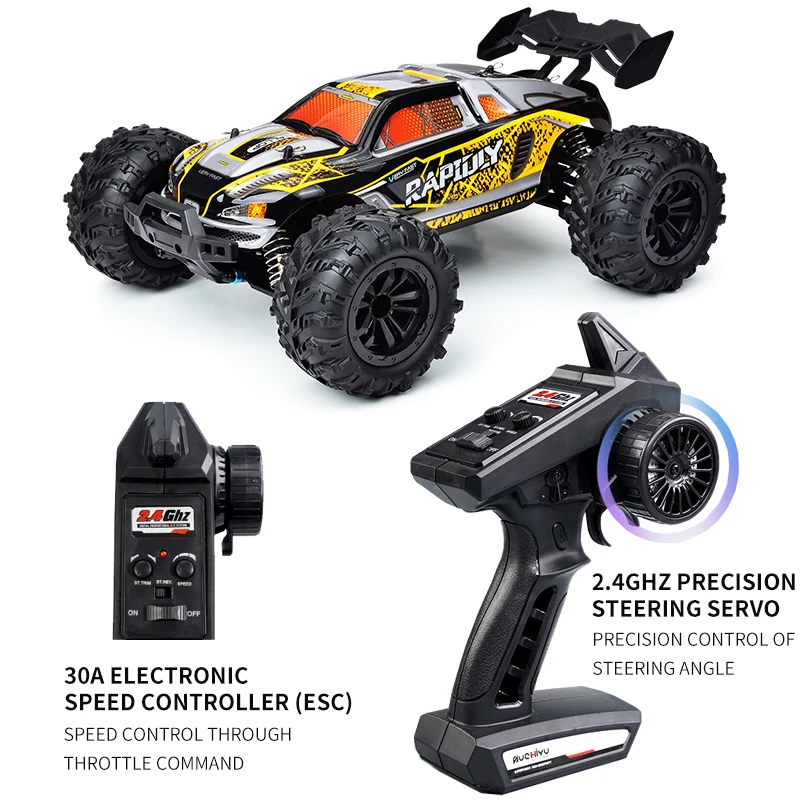
Credit: www.alibaba.com
Factors Affecting Speed
Factors affecting the speed of a 2. 4 GHz RC car include its motor power, battery life, and terrain type. Lighter car weight and efficient aerodynamics can also boost speed.
When you’re racing a 2.4 GHz RC car, speed is everything. But have you ever wondered what factors really influence how fast these miniature beasts can go? Understanding these elements can help you tweak your car for optimal performance or simply appreciate the engineering behind its design. Whether you’re a seasoned enthusiast or a curious newcomer, there are various aspects you need to consider when it comes to the speed of an RC car.Motor Type And Power
The motor is the heart of your RC car. Brushless motors generally provide more power and efficiency compared to brushed motors. This means your car can reach higher speeds with a brushless motor. Consider the motor’s power output, measured in kV, as it directly affects the car’s speed.Battery Capacity And Type
Battery capacity, measured in milliamp hours (mAh), determines how long your car can maintain top speeds. Higher capacity batteries provide longer runtime. Also, the type of battery—LiPo or NiMH—can impact speed. LiPo batteries offer more power output and are lighter, making them a popular choice for speed enthusiasts.Gear Ratios
Gear ratios play a crucial role in determining speed. The gears control how power is transferred from the motor to the wheels. Adjusting gear ratios can either boost acceleration or top speed. It’s a balancing act that requires experimentation to find the perfect setup for your needs.Weight And Aerodynamics
The weight of your RC car directly impacts how fast it can go. Lighter cars can accelerate quicker and achieve higher speeds. Aerodynamics also plays a role; cars designed with sleek bodies and smooth lines reduce drag, allowing them to cut through the air more efficiently.Terrain And Surface
Where you drive your RC car matters. Smooth surfaces like asphalt or concrete provide less resistance, enabling higher speeds. On the other hand, rough terrains like grass or gravel can slow your car down. Always consider the surface when testing your car’s speed.Tire Type And Condition
Tires are the connection between your car and the ground. The type of tires—slick, treaded, or off-road—affects grip and speed. Well-maintained, high-quality tires offer better performance. Regularly check tire condition to ensure they’re not worn out, which could hinder speed.Weather Conditions
Weather can surprisingly affect RC car speed. High winds create additional resistance, slowing your car down. Similarly, wet conditions can reduce traction, impacting acceleration and top speed. Always check the weather forecast to optimize your racing experience. Have you ever adjusted these factors and noticed a significant change in your RC car’s speed? What tweaks do you think could make the biggest difference?Enhancing Performance
Enhancing the performance of your 2.4 GHz RC car can bring a thrilling edge to your racing experience. Whether you’re a seasoned racer or a beginner looking to boost your car’s speed, making small modifications can lead to noticeable improvements. Have you ever wondered how you could push your RC car to its limits and perhaps even outpace your competitors?
Upgrade The Motor
Swapping the stock motor with a more powerful one can significantly increase speed. Consider a brushless motor for better efficiency and longer life. Ensure it matches your car’s specifications to avoid compatibility issues.
Optimize Gear Ratios
Adjusting the gear ratios can fine-tune your car’s speed and acceleration. A higher gear ratio can boost speed on straight tracks, while a lower ratio might offer better control in tight corners. Experiment to find the perfect balance.
Reduce Weight
Lightening your RC car can enhance speed. Remove unnecessary components and switch to lighter materials where possible. Every gram counts when you’re chasing faster lap times.
Fine-tune Suspension
Adjusting the suspension can improve handling and stability at high speeds. Experiment with different setups to see which offers the best performance for your racing style and track conditions.
Use High-performance Tires
Tires play a crucial role in traction and speed. Opt for high-performance tires that offer better grip and durability. Consider the track surface and conditions when selecting your tires for optimal performance.
Improve Aerodynamics
Enhancing your car’s aerodynamics can reduce drag and increase speed. Consider modifications like adding spoilers or adjusting body shapes to minimize air resistance. This can make a noticeable difference, especially in competitive racing.
By implementing these changes, you can transform your RC car into a speed demon on the track. So, what tweaks will you make to leave your opponents in the dust?

Credit: www.amazon.ca
Frequently Asked Questions
Is 2.4 Ghz Good For Rc Cars?
Yes, 2. 4 GHz is excellent for RC cars. It provides strong signal strength and reduces interference. This frequency allows multiple cars to operate simultaneously without issues. It enhances control range and response time, making it ideal for hobbyists and racers.
Enjoy smooth and reliable performance with 2. 4 GHz technology.
How Far Does 2.4 Ghz Reach On A Rc?
A 2. 4 GHz RC signal typically reaches up to 500 meters in ideal conditions. Factors like obstacles and interference can reduce range. Ensure a clear line of sight for maximum distance. Always check the manufacturer’s specifications for accurate range details.
Is 20 Mph Fast For An Rc Car?
20 mph is fast for an RC car, providing thrilling speed for hobbyists. Many models offer varying speeds, but 20 mph ensures exciting performance. It balances speed and control, perfect for enthusiasts seeking fun without sacrificing handling. Enjoyable for racing and casual driving, this speed suits diverse terrains.
Can You Run Two 2.4 Ghz Rc Cars At The Same Time?
Yes, you can run two 2. 4 GHz RC cars simultaneously. The 2. 4 GHz technology prevents interference, allowing multiple cars to operate together smoothly. Make sure each car has a unique binding to its transmitter for optimal performance. Enjoy racing without any signal issues.
Conclusion
A 2. 4 GHz RC car offers thrilling speed and control. Perfect for racing enthusiasts. These cars balance speed with precision. Designed for smooth navigation and quick turns. They provide hours of fun. Ideal for both beginners and experienced drivers.
Their technology ensures reliable performance. Enjoy outdoor adventures with these cars. They bring excitement to every race. Simple controls make driving easy. A great hobby for all ages. Experience the thrill of high-speed racing. Get ready for action with your 2.
4 GHz RC car. It’s fast, fun, and exciting.