

Mastering your times tables can feel like a daunting task, but it doesn’t have to be. Imagine effortlessly recalling multiplication facts without hesitation, boosting both your confidence and math skills.
You’ve likely encountered moments when quick calculations make life easier, whether you’re shopping or solving a puzzle. This guide is crafted with you in mind, offering simple, effective techniques to help you learn your times tables. Discover the secrets to turning those tricky numbers into second nature.
Ready to transform your math experience and impress yourself with your newfound skills? Let’s dive in and explore how you can conquer those times tables once and for all.

Credit: www.posterworx.co.nz
Visualization Techniques
Learning times tables becomes easier with visualization techniques like drawing arrays or using number line charts. These methods help students see patterns and relationships, making memorization simpler and more engaging.
Learning times tables can be a daunting task for many, but visualization techniques offer a powerful way to simplify and conquer this challenge. By transforming abstract numbers into vivid images or patterns, you can engage your mind in a more creative and memorable way. Imagine making numbers come alive in your mind, turning them into stories or pictures that stick with you long after you’ve closed the textbook.Creating Number Stories
Imagine each number as a character in a story. Visualize them interacting in scenarios that represent their multiplication. Picture ‘3’ as a friendly dog that brings ‘4’ bones to ‘4’ different friends. Visualizing numbers as part of a story makes them more relatable and easier to remember.Using Color Patterns
Colors can be a fantastic tool to visualize multiplication tables. Assign different colors to multiples and create a colorful chart. For instance, multiples of 2 could be blue, while multiples of 3 are red. This technique not only makes learning visually appealing but also helps in identifying patterns quickly.Interactive Mind Maps
Mind maps can visually organize information in a way that’s easy to digest. Start with a central number, like ‘6’, and branch out to show its multiples. This visual representation allows you to see connections and relationships, making it easier to recall facts during tests or quizzes.Visualization Through Games
Games are an engaging way to learn times tables. Create a simple board game where each square represents a multiplication problem. As you move along the board, visualize the multiplication in action. This playful approach keeps you motivated and makes learning fun. Visualization techniques provide a unique and effective way to learn times tables. They tap into your creativity, making learning an active and enjoyable process. What visualization method resonates most with you? Let your imagination guide you as you explore these techniques.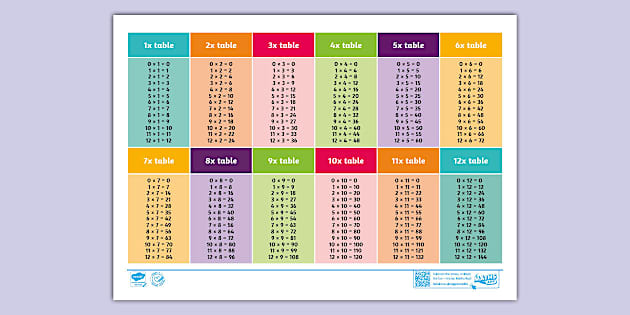
Credit: www.twinkl.co.za
Interactive Learning Tools
Discover fun ways to learn times tables with interactive tools. Explore engaging games and quizzes for effective practice. Build confidence and improve skills in math through playful learning experiences.
Interactive learning tools have transformed the way we approach mastering times tables. They offer engaging and fun ways to practice multiplication, making the learning process exciting. From apps to games, these tools cater to various learning styles and keep you motivated.Using Educational Apps
Educational apps are a great resource for learning times tables. They are designed to make learning interactive and enjoyable. With features like quizzes, progress tracking, and rewards, you can challenge yourself and see improvement over time. Do you remember the joy of leveling up in a game? These apps bring that same thrill to learning. You can compete against yourself or your friends, adding a layer of excitement to your study sessions.Gamifying Learning
Games can turn mundane memorization into an adventure. Whether it’s a multiplication race or a puzzle, gamifying learning taps into your competitive spirit. You can learn while having fun, which makes the material stick better. Think of a game you enjoyed as a child. How did it hold your attention? Applying similar principles to learning times tables can make the process much more engaging.Online Interactive Quizzes
Interactive quizzes are a dynamic way to test your knowledge. They provide instant feedback, helping you identify areas where you need more practice. This real-time response keeps you engaged and focused on improving. Would you prefer immediate feedback over waiting for results? These quizzes offer that, allowing you to make adjustments on the spot and keep moving forward.Virtual Classroom Platforms
Virtual classrooms offer a collaborative learning environment. You can join group sessions, participate in discussions, and solve problems together. This interaction with peers can motivate you and enhance your understanding. How often do you learn better through discussion and collaboration? These platforms provide that opportunity, allowing you to gain insights from different perspectives and improve collectively.Customizable Worksheets And Activities
Customizable worksheets let you tailor your learning experience. You can choose the difficulty level and topics that suit your needs. This personalization ensures you focus on areas that require more attention. Consider how much more effective it is when learning materials are tailored to your needs. Customizable worksheets allow you to work at your own pace, making sure you grasp each concept thoroughly.Games And Activities
Learning times tables can be fun with games and activities. Use flashcards for quick practice. Singing multiplication songs helps memorize numbers easily. Engage in math apps for interactive learning. Play board games that involve solving multiplication problems.
Learning times tables can be fun with games and activities. These methods engage students and make learning enjoyable. Games transform math into play, which can motivate learners. Activities encourage interaction and help reinforce memorization. Here are a few ways to learn times tables through games and activities.Flashcard Matching Game
Create flashcards with multiplication questions and answers. Mix them up and lay them face down. Players take turns flipping two cards, trying to find matching pairs. This game builds memory and reinforces number facts. It works well in a classroom or at home.Times Table Bingo
Design bingo cards with answers to multiplication questions. Call out multiplication problems, and players mark the correct answer if they have it. The first to complete a line wins. This game encourages quick recall and adds excitement to learning.Online Multiplication Games
Explore educational websites with multiplication games. These interactive games often feature fun characters and levels. They provide instant feedback and keep learners engaged. Many are free and accessible on various devices.Multiplication Board Games
Use board games designed for practicing multiplication. These games often involve moving pieces and solving multiplication problems. They provide a hands-on learning experience. Playing with friends or family adds a social element to learning.Skip Counting Songs
Sing songs that emphasize skip counting by numbers. Many children enjoy music, making it an effective tool. Singing helps embed multiplication sequences in memory. It’s both fun and educational. These games and activities make learning times tables exciting and memorable. They offer different ways to engage with math, ensuring learners find a method they enjoy.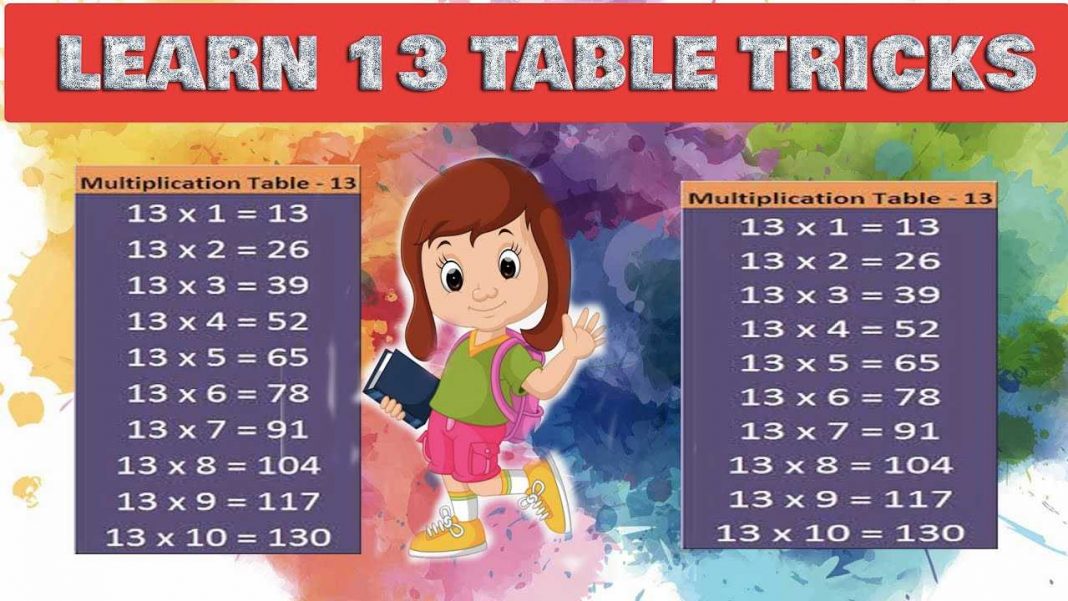
Credit: www.splashlearn.com
Frequently Asked Questions
What Is The Easiest Way To Learn Time Tables?
Use flashcards to memorize time tables effectively. Practice daily with online quizzes and multiplication apps. Engage in fun games or songs that reinforce learning. Create a colorful chart and place it visibly. Regularly test your knowledge with timed challenges to improve speed and accuracy.
How To Learn 1 To 10 Table Easily?
Use colorful charts to visualize tables. Practice daily with flashcards. Recite tables in rhythm or song. Engage in math games. Consistency helps memorization.
Why Can’t I Learn My Times Table?
Struggling with the times table often stems from anxiety, lack of practice, or learning difficulties. Try using visual aids, interactive apps, or rhythmic patterns. Regular practice and patience can improve memorization and understanding. Seeking help from a tutor or teacher may also be beneficial.
How To Memorize Tables In 5 Minutes?
Use visualization techniques to create mental images of the tables. Practice with flashcards repeatedly. Break the table into smaller parts. Use rhythm or songs to aid memorization. Engage in quick quizzes to reinforce your memory.
Conclusion
Learning times tables takes time and practice. Everyone learns differently. Find what works best. Use songs, games, or flashcards. Repeat daily for better memory. Encourage problem-solving with real-life examples. Make learning fun and engaging. Practice with friends or family. Celebrate small victories.
Stay patient and positive. Progress comes with effort. Build confidence with consistent practice. Soon, numbers will become easier to handle. Remember, persistence is key. Enjoy the journey of learning. Keep exploring new methods. Enjoy each step, and math skills will grow.