

Have you ever watched your child’s eyes light up when they play with an electronic toy? There’s magic in how these toys seem to come alive with lights, sounds, and movements.
But have you ever wondered what makes them tick? Understanding how electronic toys work can be both fascinating and empowering. It allows you to make informed choices, ensuring that your little one enjoys playtime to the fullest. As you dive deeper, you’ll discover the intricate dance of circuits, sensors, and microchips that bring these toys to life.
This knowledge not only satisfies your curiosity but also opens a world where technology and play meet. Get ready to explore the secrets behind those delightful gadgets that captivate your child’s imagination.

Credit: www.amazon.ca
Basic Components
Electronic toys are more than just fun gadgets; they are intricate machines built from a few key parts that work together seamlessly. Understanding these basic components can give you a clearer idea of how your favorite toy responds to your touch or voice. Let’s break down the essential building blocks that bring electronic toys to life.
Power Sources
Every electronic toy needs energy to function, and that energy usually comes from a power source. Batteries are the most common power supply, ranging from small button cells to larger AA or AAA types. Some toys use rechargeable batteries, allowing you to power up your toy again and again without buying new ones.
Think about how a toy stops working when the batteries run out. This simple fact highlights how crucial the power source is. Without it, no matter how advanced the electronics are, the toy won’t move or make sounds.
Microchips And Circuits
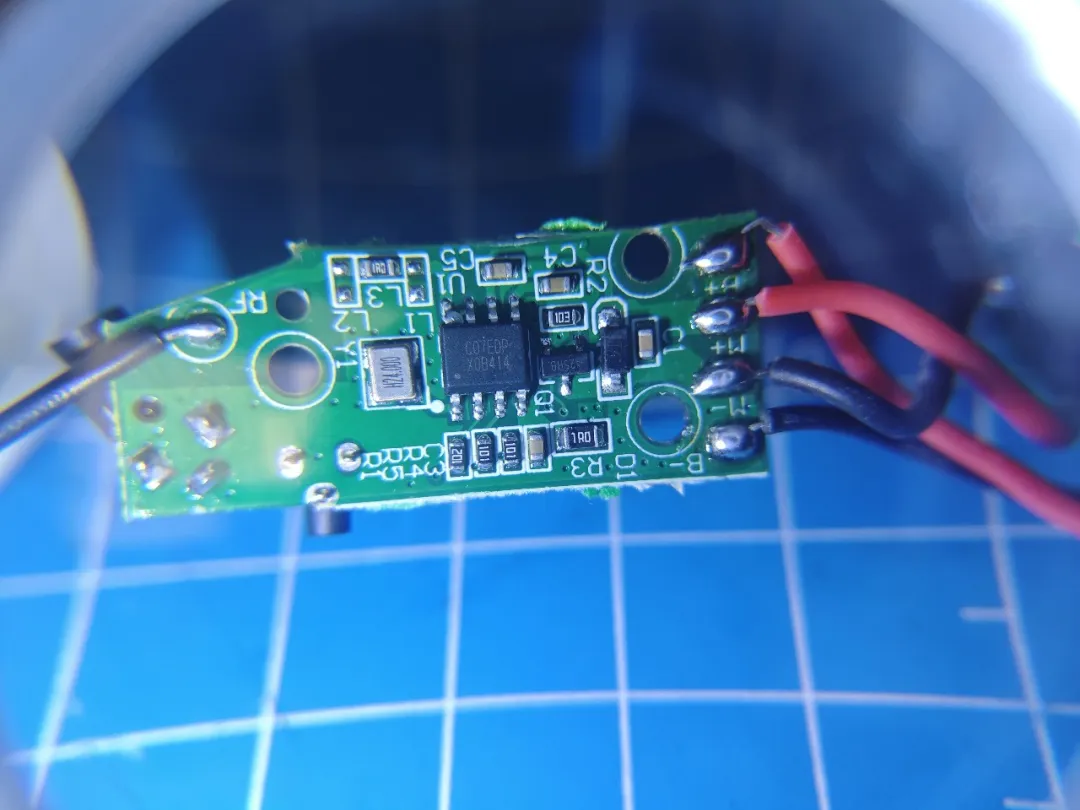
Microchips act as the brain of electronic toys. They control how the toy reacts and processes information. These tiny chips are connected to circuits, which are like highways that carry electric signals through the toy.
Have you noticed how some toys can sing, talk, or even respond to your commands? That’s all thanks to the microchips interpreting inputs and triggering the right actions. The circuits ensure these signals reach the correct parts, coordinating movements and sounds.
Sensors And Actuators
Sensors allow toys to “sense” the world around them. They detect things like touch, light, or sound. When a sensor picks up a signal, it tells the microchip what’s happening, so the toy can respond accordingly.
Actuators are the parts that make the toy move or create sounds. They turn electrical signals into physical actions, like spinning wheels or flashing lights. Next time your toy reacts when you press a button or clap your hands, you’re witnessing sensors and actuators working together perfectly.
Signal Processing
Signal processing is the heart of how electronic toys respond and interact. It involves turning signals from sensors into actions or sounds. This process makes toys smart and fun. Understanding signal processing helps us see how toys recognize commands and react quickly.
Input Recognition
Electronic toys use sensors to detect signals like touch, sound, or movement. These sensors change physical actions into electrical signals. The toy’s circuit reads these signals as input. This step tells the toy what is happening around it.
Data Interpretation
The toy’s processor analyzes the input signals. It compares the data with stored information in its memory. This helps the toy understand the meaning of the input. The processor decides what action matches the input.
Output Generation
After interpreting the data, the toy creates an output signal. This signal controls parts like lights, motors, or speakers. The toy then moves, makes sounds, or lights up. This final step completes the interaction with the user.
Interactive Features
Interactive features make electronic toys fun and engaging. They respond to a child’s actions, creating a lively play experience. These features use simple technology to bring toys to life. Sound, light, movement, and connectivity are key parts of this interaction. Each element works together to keep kids interested and entertained.
Sound And Light Effects
Sound and light effects grab attention quickly. Toys use small speakers to play music, voices, or sound effects. Lights flash or change color to match sounds or actions. These effects help teach cause and effect. For example, pressing a button might trigger a song or flashing lights. This interaction encourages kids to explore and learn.
Movement And Response
Many electronic toys move to simulate real-life actions. Motors inside the toys control movements like walking, spinning, or shaking. Sensors detect touch or motion, causing the toy to react. A toy might move forward when pushed or make sounds when picked up. These responses make playtime more dynamic and exciting.
Connectivity Options
Some toys connect to other devices for extra fun. Bluetooth or Wi-Fi lets toys link to smartphones, tablets, or other toys. This connection can unlock new games, updates, or interactive stories. It also allows parents to control or customize the toy’s features. Connectivity adds a modern twist to traditional play.
Credit: www.ampheo.com
Safety And Durability
Safety and durability are the backbone of electronic toys. You want toys that not only entertain but also protect your child from harm. Understanding how these toys are made can help you choose better and safer products for your family.
Material Quality
High-quality materials make a huge difference in toy safety. Durable plastics and non-toxic paints prevent breaks and chemical exposure. When you pick a toy, check if it feels sturdy and has smooth edges to avoid cuts or choking hazards.
I once bought a toy that seemed fun but had brittle parts that snapped easily. It made me realize how important tough materials are for long-lasting play.
Battery Safety
Batteries can be risky if not handled properly inside toys. Secure battery compartments stop kids from accidentally swallowing batteries or accessing electrical parts. Look for toys with screw-locked battery covers to keep your child safe from electric shocks or ingestion.
Also, avoid toys with leaking batteries, as they can cause skin burns or damage the toy. Always replace batteries promptly and dispose of old ones safely.
Child-friendly Design
Toys designed with children in mind reduce accidents. Rounded corners, large buttons, and easy-to-grip shapes help prevent injuries and frustration. When you choose a toy, think about your child’s age and coordination skills to match the design perfectly.
Have you noticed how some toys seem made for tiny hands while others are too complex? That thoughtful design means the difference between fun and frustration.

Credit: instructions.hasbro.com
Frequently Asked Questions
How Do Electronic Toys Get Powered?
Electronic toys mainly use batteries or rechargeable cells for power. Some connect directly to electrical outlets. Power sources enable the toy’s circuits and components to function efficiently and safely.
What Components Make Electronic Toys Work?
Electronic toys include microchips, sensors, motors, and speakers. These parts interact to perform actions, produce sounds, and respond to user inputs, creating an engaging experience.
How Do Sensors Enhance Electronic Toys?
Sensors detect motion, touch, or light changes. They allow toys to respond dynamically, making play more interactive and personalized for children.
Why Are Microchips Important In Electronic Toys?
Microchips control the toy’s functions by processing inputs and triggering outputs. They ensure the toy behaves as programmed, delivering consistent performance and entertainment.
Conclusion
Electronic toys use simple circuits and batteries to work. They turn signals into light, sound, or movement. Sensors and buttons help kids control them easily. These toys teach basic science in a fun way. Understanding how they work makes playtime more interesting.
Kids enjoy toys that respond and interact quickly. Learning about electronics can inspire future inventors. Play and learning go hand in hand with these toys. They bring joy and curiosity to every child’s day.