

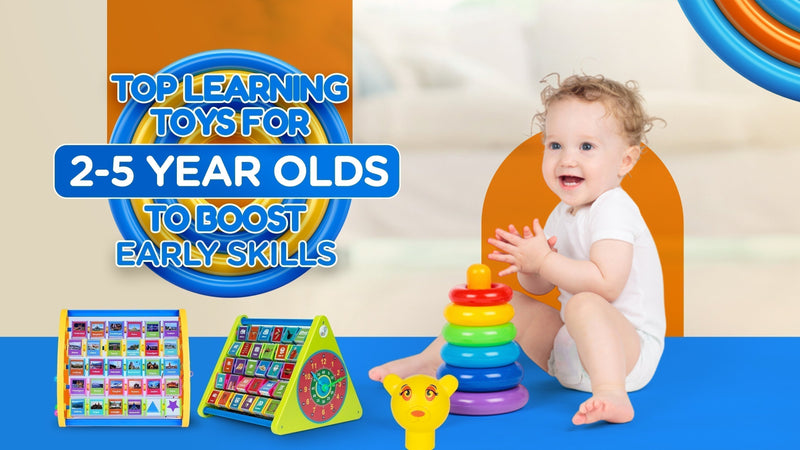
Imagine watching your child play and knowing that every moment spent with their toys is helping to shape their future. Educational toys are not just for fun; they are powerful tools that can boost your child’s development in ways you might not expect.
You might be wondering how something as simple as a toy can make such a difference. Well, the answer is both fascinating and crucial for your child’s growth. These toys engage your child’s mind, spark curiosity, and foster essential skills that will set the foundation for lifelong learning.
Stick around to discover how educational toys can transform playtime into an enriching experience that benefits your child’s cognitive, physical, and emotional development. You won’t want to miss how these playful tools can become your secret weapon in nurturing a bright and capable young mind.
Credit: myflyi.com
Boosting Cognitive Skills
Educational toys play a key role in boosting a child’s cognitive skills. These toys challenge the brain and encourage thinking. Children learn to solve problems, remember details, and imagine new ideas. This mental exercise helps their brains grow stronger and sharper.
Enhancing Problem Solving
Educational toys often include puzzles and building blocks. These toys ask children to think carefully and find solutions. They learn to test ideas and try again if something does not work. This practice builds patience and sharpens their ability to solve problems.
Stimulating Creativity
Toys like art sets and role-playing kits inspire children to create and imagine. They mix colors, shapes, and stories to make something unique. This freedom helps develop creative thinking. Creative skills are important for learning and adapting to new situations.
Improving Memory
Many educational toys encourage children to remember patterns, shapes, or sequences. Matching games and memory cards are good examples. These activities train the brain to hold and recall information better. Improved memory supports learning in all areas of life.
Supporting Emotional Growth
Supporting emotional growth is a key part of child development that educational toys can greatly enhance. These toys do more than just entertain; they help kids understand their feelings and build essential emotional skills. When your child interacts with the right toys, you may notice improvements in how they handle challenges and express themselves.
Building Confidence
Educational toys give children chances to try new things and succeed. Completing a puzzle or finishing a building set boosts their belief in their own abilities. This confidence encourages them to take on more difficult tasks without fear of failure.
Have you seen your child’s face light up after mastering a tricky game? That moment shows how toys can create small victories that matter big time in emotional growth.
Encouraging Patience
Many educational toys require kids to wait, think, and try again. These moments teach patience, an essential emotion that often goes unnoticed but shapes how kids respond to frustration. Whether it’s waiting for glue to dry or carefully sorting pieces, children learn to slow down and stay calm.
Next time your child struggles with a toy, ask yourself: Are they building patience or just playing? This insight helps you support their emotional development in everyday moments.
Fostering Independence
Educational toys invite kids to explore and solve problems on their own. This freedom allows them to make decisions, experience consequences, and feel proud of their achievements. When your child chooses how to play without constant help, they gain a sense of independence.
Try giving your child a new toy without instructions and watch how they figure it out. These moments grow emotional strength and prepare them for real-life challenges.
Promoting Social Interaction
Educational toys do more than just entertain your child; they create opportunities for valuable social interaction. These toys encourage kids to engage with others, helping them build important social skills in a natural and enjoyable way. When children play together, they learn how to express themselves, listen, and work as a team.
Developing Communication
Educational toys often come with prompts or roles that encourage children to talk and share ideas. This helps your child practice using words to explain their thoughts and feelings. Imagine your child playing a pretend store game, where they must ask questions and respond to customers—this builds clear communication in a fun setting.
Teaching Cooperation
Many educational toys require kids to work together to solve problems or complete tasks. This teaches your child how to cooperate by taking turns, listening to others, and contributing to group goals. For example, building a puzzle with a friend requires patience and teamwork, reinforcing the value of working with others.
Encouraging Sharing
Sharing is a fundamental social skill that educational toys can help develop. When children play with limited resources, like blocks or art supplies, they learn to take turns and share materials. This not only reduces conflicts but also shows your child the importance of generosity and empathy in relationships.
Credit: mccaedu.org
Improving Motor Abilities
Improving motor abilities is a crucial part of a child’s development that educational toys support effectively. These toys encourage children to practice movements that build muscle strength and control. As they play, kids naturally refine their physical skills, which boosts confidence and independence.
Refining Fine Motor Skills
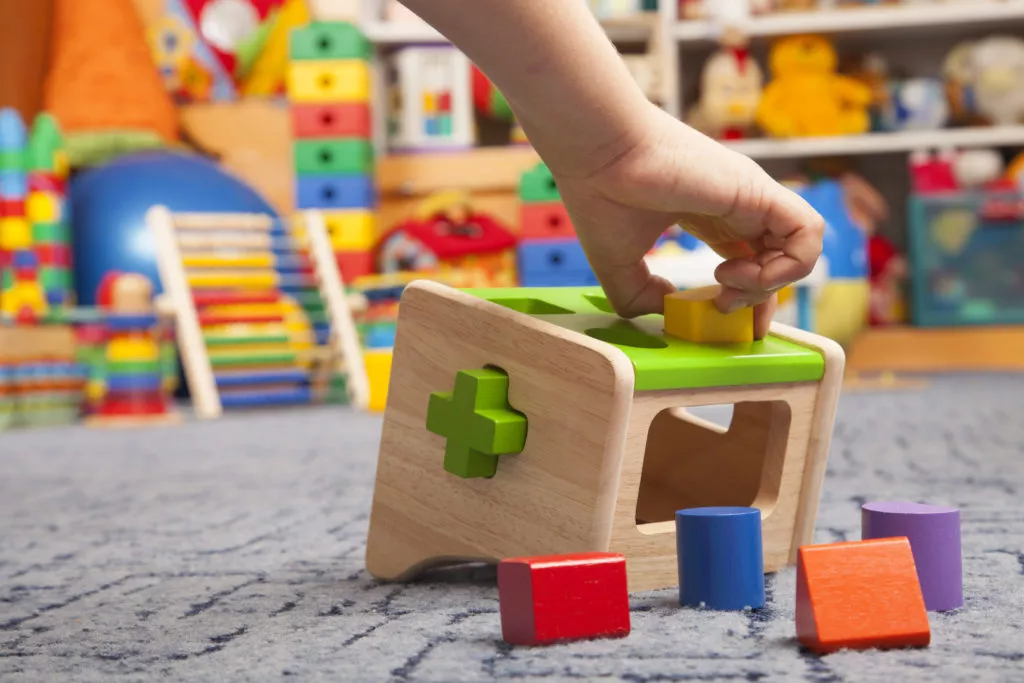
Fine motor skills involve small movements, especially of the hands and fingers. Toys like building blocks, puzzles, and bead stringing sets help children practice these delicate actions. When your child picks up tiny pieces or fits puzzle parts together, they enhance dexterity and hand strength.
Think about how a simple activity like stacking blocks requires precision and control. Watching your child improve at these tasks shows how their fine motor skills are developing. Have you noticed how these small actions translate into better writing and self-care abilities?
Enhancing Hand-eye Coordination
Hand-eye coordination is the ability to connect what the eyes see with the hands’ movements. Educational toys such as catching games, shape sorters, or building kits challenge this skill. As children focus visually and move their hands accordingly, they sharpen this essential coordination.
Consider how a game of tossing balls or fitting shapes into slots demands timing and accuracy. These activities make your child’s brain and body work together more efficiently. How often do you see your child’s hand-eye coordination improve after a few play sessions?
Supporting Physical Activity
Physical activity is vital for overall motor development, and many educational toys encourage movement. Ride-on toys, climbing structures, or interactive play mats get children moving and exploring their environment. This active play builds strength, balance, and endurance.
When your child chooses to run, jump, or crawl while playing, they develop essential gross motor skills. These experiences lay the groundwork for sports and everyday physical tasks. What types of toys have you found that motivate your child to stay active and engaged?

Credit: kiddiekampdaycare.com
Frequently Asked Questions
How Do Educational Toys Enhance Cognitive Skills?
Educational toys stimulate a child’s brain by encouraging problem-solving and critical thinking. They help develop memory, attention, and reasoning skills essential for learning and growth.
Can Educational Toys Improve Social Development?
Yes, educational toys promote sharing, cooperation, and communication. They encourage children to interact, express emotions, and develop empathy with peers and adults.
What Role Do Educational Toys Play In Motor Skills?
These toys enhance fine and gross motor skills through activities like stacking, sorting, and building. They improve hand-eye coordination and dexterity in young children.
Are Educational Toys Beneficial For Language Development?
Educational toys introduce new words and concepts, boosting vocabulary and comprehension. Interactive toys also encourage verbal expression and listening skills in children.
Conclusion
Educational toys play a big role in a child’s growth. They help develop thinking, creativity, and problem-solving skills. Kids learn by playing and exploring new ideas. These toys also improve hand-eye coordination and social skills. Choosing the right toys can make learning fun and easy.
Parents and teachers can support children by providing these tools. Playtime becomes a chance to discover and grow. Small steps today lead to strong skills tomorrow. Educational toys offer simple ways to help children thrive.