
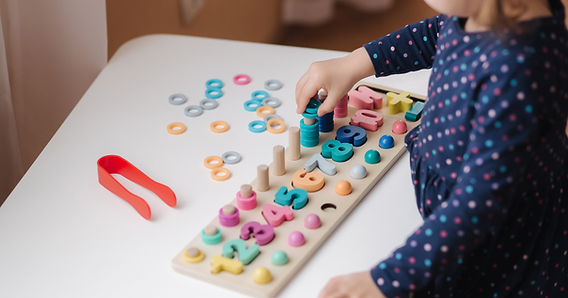
Imagine turning your family time into a magical blend of fun and learning. Sounds perfect, right?
With educational toys, you can do just that. These toys are not just for play; they are tools that ignite curiosity, boost creativity, and strengthen family bonds. They offer a unique way to engage your children and bring everyone closer together.
Are you curious about how to seamlessly weave these toys into your family bonding sessions? Stay with us, and discover how you can transform ordinary moments into extraordinary experiences that your family will cherish forever. Let’s dive into the world of educational toys and see how they can enrich your family time.
Choosing The Right Educational Toys
Choosing the right educational toys is key to making family bonding sessions both enjoyable and meaningful. The toys you pick should spark curiosity and encourage learning without overwhelming or boring anyone. With the right choices, you can create moments that bring everyone closer while boosting skills and knowledge.
Age-appropriate Options
Picking toys that match your child’s age ensures they stay engaged and challenged just enough. Toys that are too easy can lead to boredom, while those too advanced might cause frustration. Look for labels that suggest age ranges, but also watch how your child interacts with the toy to see if it fits their current skills.
For toddlers, simple puzzles and shape sorters work well. Older kids might enjoy building kits or science experiments that require more focus and problem-solving. Remember, educational toys grow with your child, so consider options that offer different difficulty levels or can be used in multiple ways.
Balancing Fun And Learning
Educational toys should never feel like homework. The best toys blend play with learning so naturally that kids don’t realize they’re gaining new skills. Ask yourself if the toy excites curiosity or just drills facts—fun sparks deeper engagement.
Board games that require strategy or storytelling can teach critical thinking and communication. Art kits that introduce shapes, colors, or patterns combine creativity with cognitive development. When you choose toys that your family enjoys together, learning becomes a shared adventure, not a chore.
Incorporating Interests
Your child’s interests can guide you to toys that truly capture their attention. If they love animals, consider biology kits or wildlife puzzles. If they’re fascinated by space, a telescope or solar system model can open up hours of discovery.
Pay attention to what your child talks about or spends time doing alone. Choosing toys related to those interests makes bonding sessions feel personal and exciting. Would you rather force a generic toy on your family or pick one that sparks genuine enthusiasm and conversation?

Credit: shiminly.com
Creating Engaging Family Activities
Creating engaging family activities with educational toys brings everyone together in a fun and meaningful way. These sessions not only spark learning but also deepen your family connections through shared experiences. You’ll find that simple, well-planned playtime can turn into moments everyone looks forward to.
Collaborative Play Ideas
Choose toys that encourage teamwork, like building blocks or puzzle sets. Working side-by-side on a project invites conversation and problem-solving.
Try setting a goal together, such as building the tallest tower or completing a complex puzzle. You’ll notice how cooperation naturally builds communication skills and patience.
- Build a city with blocks and assign roles like architect, builder, and planner.
- Complete a large jigsaw puzzle as a team, discussing strategies for finishing it faster.
Storytelling With Toys
Use dolls, action figures, or animal toys to create stories as a family. Each person can add a twist or new character to keep the narrative flowing.
Storytelling with toys encourages creativity and language skills. It also reveals your family’s unique imagination and perspectives.
- Start a story where one toy goes on an adventure, and let each family member add a scene.
- Record the stories to revisit funny or meaningful moments later.
Hands-on Challenges
Set up simple challenges that require building, sorting, or experimenting with educational toys. These tasks engage critical thinking and hands-on learning.
For instance, challenge your kids to create a bridge that can hold a certain weight using only specific materials. It’s exciting to see who comes up with the strongest design.
- Design and test paper airplanes to see which one flies the farthest.
- Sort objects by color, size, or shape and time each other to improve speed.
What new family memories can you create by adding these playful, educational moments to your routine?
Building Communication Through Play
Building communication through play creates a natural space for families to connect and express themselves. Educational toys offer more than just fun—they open doors to meaningful conversations and shared discoveries. When you use playtime to talk, listen, and explore together, you strengthen your family bonds and help everyone develop better communication skills.
Encouraging Questions And Exploration
Ask open-ended questions while playing with educational toys to spark curiosity. Instead of giving answers right away, invite your child to think aloud and share their ideas. For example, while building a puzzle, you might ask, “What do you think will happen if we put this piece here?”
This approach motivates children to explore and express their thoughts, turning playtime into a dialogue rather than a one-sided activity. It also shows that their opinions matter and encourages active participation from everyone involved.
Sharing Experiences
Use educational toys as a way to share stories and experiences from your own life. When building a model or experimenting with a science kit, tell your child about similar activities you enjoyed at their age. This creates a bridge between generations and invites them to open up about their feelings and interests.
Sharing creates a cozy atmosphere where everyone feels heard. It’s also a chance to learn new perspectives from your kids, making family bonding richer and more meaningful.
Positive Reinforcement
Celebrate effort and creativity during play rather than focusing only on results. Compliment specific actions like problem-solving steps or imaginative ideas. Saying things like, “I love how you figured out that puzzle piece fits here,” boosts confidence and encourages more communication.
Positive reinforcement helps build a safe space where children feel comfortable expressing themselves without fear of judgment. This openness leads to deeper conversations and a stronger family connection.

Credit: theupcenter.org
Making Educational Play A Routine
Making educational play a routine helps children learn and grow every day. It builds strong family bonds through shared moments. Consistency makes learning fun and expected. It also sets a positive example for kids to value education.
Setting Regular Playtimes
Choose specific times for educational play, such as after school or before dinner. Consistent timing creates a habit and prepares everyone mentally. Keep sessions short and focused to hold children’s attention. Use a timer or calendar to remind the family of playtime.
Adapting To Family Schedules
Each family has different busy periods and routines. Adjust playtimes to fit work, school, and other activities. Flexibility helps keep educational play stress-free and enjoyable. Involve children in choosing the best times to increase their excitement. Swap sessions between weekdays and weekends as needed.
Tracking Progress And Celebrations
Track learning milestones to motivate children and parents. Use simple charts or journals to note new skills or concepts learned. Celebrate achievements with praise or small rewards. Sharing progress encourages continued participation and joy in learning. Family celebrations turn routine play into special moments.
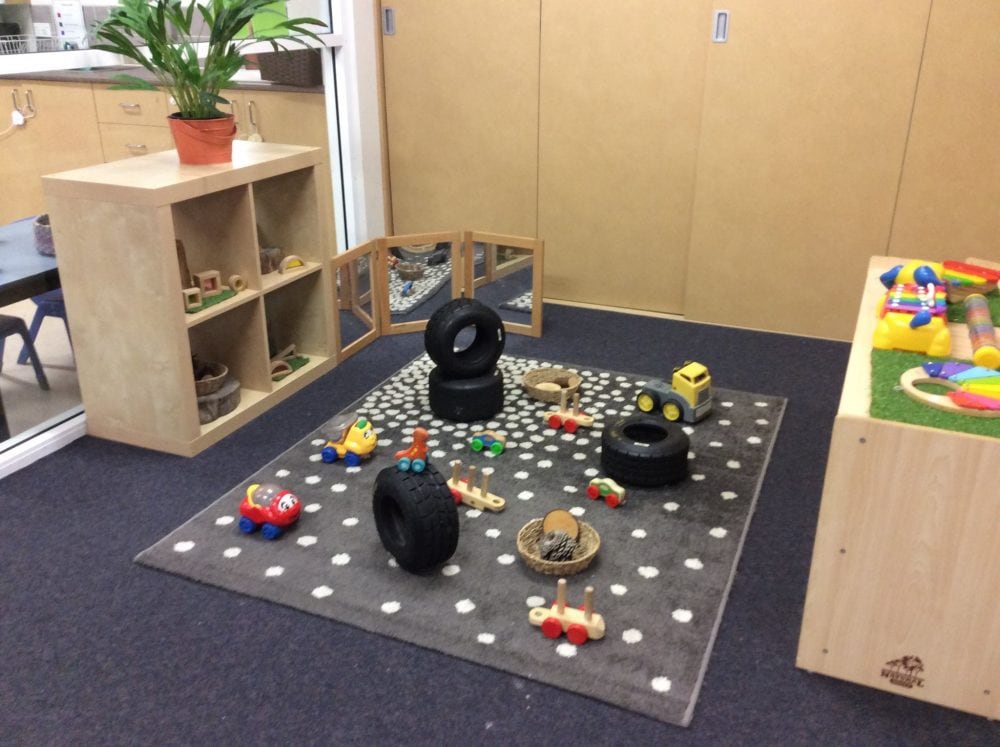
Credit: www.theempowerededucatoronline.com
Frequently Asked Questions
What Are Educational Toys For Family Bonding?
Educational toys promote learning and creativity while encouraging family interaction. They help develop skills and strengthen relationships during playtime.
How Do Educational Toys Enhance Family Communication?
These toys encourage teamwork and sharing ideas. They create opportunities for meaningful conversations and improve listening skills among family members.
Which Educational Toys Suit Different Age Groups?
Choose toys based on age-appropriate skills. For toddlers, use sensory toys; for older kids, try puzzles or science kits.
How To Schedule Family Bonding With Educational Toys?
Set regular play sessions that fit everyone’s schedule. Keep sessions fun, short, and focused to maintain engagement.
Conclusion
Educational toys bring families closer through fun learning. They help children explore new skills while parents join in. Sharing playtime creates memories and sparks great conversations. Choose toys that match your child’s interests and age. Keep sessions short and full of smiles.
This way, learning feels like a joyful adventure for everyone. Try adding educational toys to your family time soon. See how simple moments can grow stronger bonds and happy minds.