

Are you wondering if you can safely clean your baby’s toys with Zoflora? Keeping your little one’s playthings clean is important, but you might worry about using strong cleaning products around them.
What if there was a simple way to make sure those toys stay germ-free without putting your baby at risk? You’ll discover everything you need to know about using Zoflora on baby toys—how to do it safely, what to watch out for, and why it might just become your go-to cleaner.
Keep reading to protect your baby and keep their toys sparkling clean.

Credit: www.amazon.co.uk
Is Zoflora Safe For Baby Toys
Parents want the safest cleaning products for baby toys. Zoflora is popular for killing germs, but is it safe for baby toys? Understanding its ingredients and proper use helps keep toys clean and safe.
Ingredients And Their Effects
Zoflora contains several chemicals that kill bacteria and viruses. Key ingredients include:
- Quaternary ammonium compounds – strong disinfectants.
- Fragrances – give a fresh smell.
- Solvents – help dissolve dirt and germs.
These ingredients work well to clean hard surfaces. But toys often have soft parts or paint that may react to chemicals. Some ingredients can leave residues that babies might touch or taste.
Toxicity Concerns
Zoflora is not designed for direct contact with skin or mouth. Babies often put toys in their mouths, raising safety concerns. Some chemicals can irritate skin or cause allergic reactions. Swallowing residues could be harmful.
Always check product labels for warnings. Avoid using Zoflora on toys that babies chew or suck on. Choose safer cleaning methods for these items.
Recommended Usage Guidelines
- Dilute Zoflora according to the instructions on the label.
- Use on hard, non-porous toys only.
- Wipe toys well after cleaning to remove residue.
- Let toys dry completely before giving them to babies.
- Never spray directly on toys that go in the mouth.
- Rinse thoroughly if unsure about residue.
Following these steps reduces risk and keeps toys hygienic. For soft or delicate toys, opt for milder cleaning options.
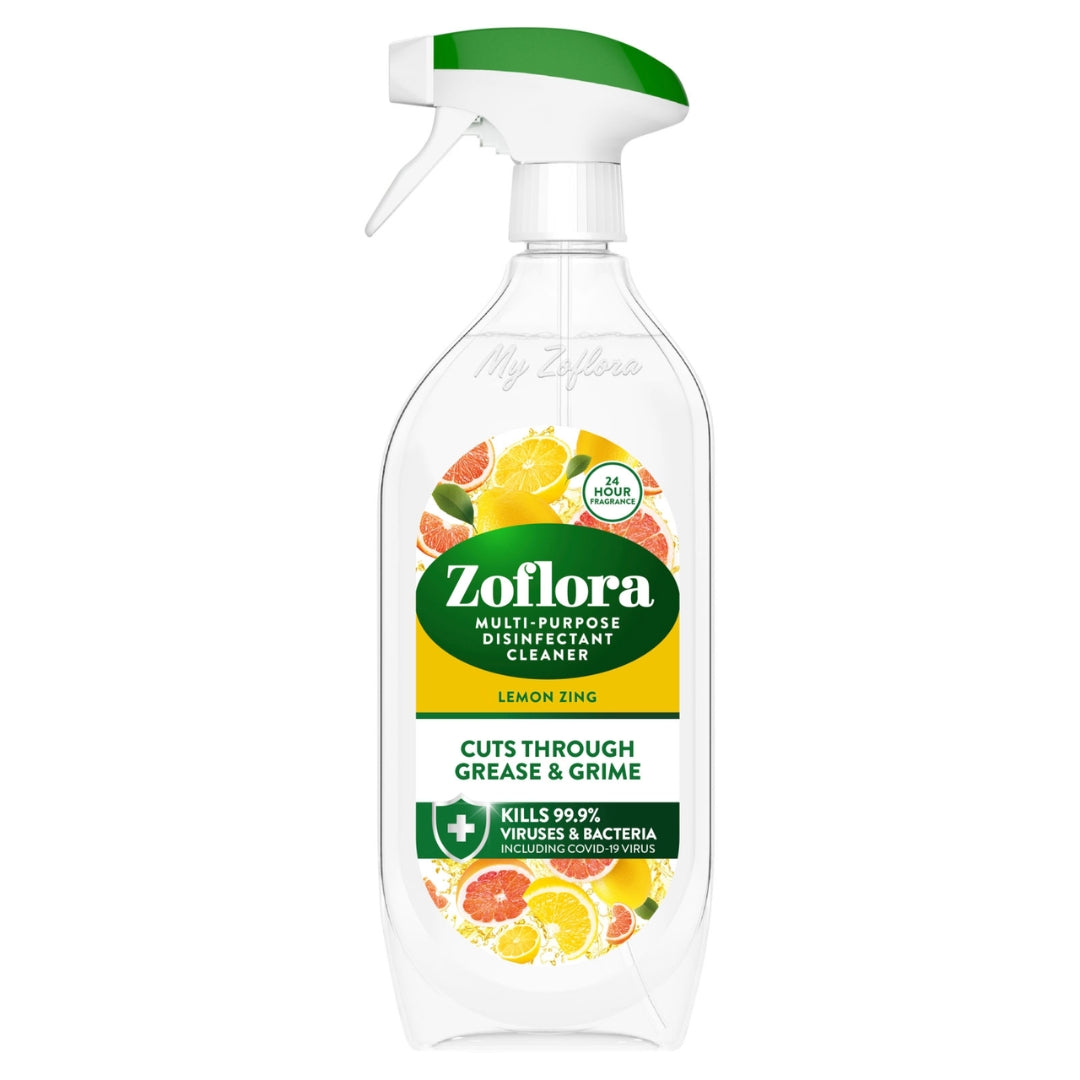
Credit: www.mrprice.online
How To Clean Baby Toys With Zoflora
Cleaning baby toys with Zoflora can be an effective way to keep your child’s playthings hygienic without harsh chemicals. However, it’s essential to use the right approach to ensure safety and maximize cleanliness. Let’s break down how you can safely clean baby toys using Zoflora.
Dilution Ratios For Safety
Always dilute Zoflora before using it on baby toys. A common safe ratio is one part Zoflora to forty parts water. This ensures the solution is strong enough to disinfect but gentle enough to avoid irritating your baby’s skin.
For toys that your baby frequently puts in their mouth, consider increasing the dilution to one part Zoflora to eighty parts water. This extra caution helps reduce any residual scent or chemical traces. Have you checked the toy’s material? Some plastics may react differently, so always test on a small area first.
Step-by-step Cleaning Process
- Fill a clean basin with warm water and add the diluted Zoflora solution.
- Submerge the toys completely, making sure all surfaces are soaked for at least 10 minutes.
- Use a soft brush or cloth to gently scrub any stubborn dirt or sticky spots.
- Rinse the toys thoroughly under running water to remove any leftover disinfectant.
This method is practical and doesn’t require special equipment. Have you noticed how much easier it is to clean toys after regular disinfecting? Consistency really makes a difference.
Drying And Storage Tips
After rinsing, lay the toys on a clean towel to air dry completely. Avoid using cloths that might leave lint or fibers behind. Toys must be fully dry before storage to prevent mold growth.
Store the toys in a dry, cool place where they won’t collect dust. You could use sealed containers or dedicated toy bins. Would you want your child playing with toys that were left damp and potentially harboring bacteria?
Alternatives To Zoflora For Toy Cleaning
Choosing the right cleaner for baby toys is important for safety and hygiene. Some parents prefer not to use Zoflora due to its strong fragrance and chemical content. There are many other options that can clean toys effectively without harsh chemicals. These alternatives can be gentle on toys and safe for babies to use.
Natural Cleaning Solutions
Natural cleaners use simple ingredients from nature. They avoid harsh chemicals and strong scents. Vinegar, baking soda, and lemon juice are common natural cleaners. These ingredients can remove dirt and kill germs. They are safe for plastic, wood, and fabric toys.
- White vinegar mixed with water works as a disinfectant.
- Baking soda helps scrub away tough stains.
- Lemon juice adds a fresh smell and kills bacteria.
Natural solutions are inexpensive and easy to find. They provide a safe way to keep toys clean.
Commercial Baby-safe Cleaners
Many brands make cleaners designed specifically for baby items. These products are tested for safety and gentle on skin. They often use mild ingredients and have no strong smells. Baby-safe sprays and wipes can quickly clean toys without rinsing. These cleaners meet safety standards and protect babies from harmful chemicals.
- Look for labels that say “non-toxic” and “hypoallergenic.”
- Choose products free from alcohol, bleach, and dyes.
- Test on a small area before full use to ensure no damage.
Commercial baby-safe cleaners offer convenience and peace of mind.
Homemade Disinfectant Recipes
Making your own cleaner can be simple and effective. Mixing household items creates a safe disinfectant for toys. Water, vinegar, and a few drops of essential oil can kill germs. Essential oils like tea tree and lavender add antibacterial properties. Always use oils that are safe around babies and in small amounts.
| Ingredient | Purpose |
|---|---|
| White vinegar | Disinfects and cleans |
| Water | Dilutes vinegar to safe level |
| Essential oil (optional) | Adds antibacterial effect and scent |
Mix one part vinegar with two parts water. Add 3-5 drops of essential oil. Shake well before use. Spray on toys and wipe clean with a cloth. Let toys air dry before giving to baby.
Precautions When Using Zoflora Around Babies
Using Zoflora to clean baby toys can be effective, but safety is key. Babies are delicate, and their environment must be free from harmful substances. Taking the right precautions ensures their health and comfort. Understanding how to handle Zoflora safely helps protect little ones.
Avoiding Direct Contact
Never apply Zoflora directly onto toys without dilution. Always dilute according to the instructions on the label. Rinse toys thoroughly with water after cleaning. This removes any leftover liquid that might irritate a baby’s skin or mouth. Keep all cleaning products out of a baby’s reach.
Ventilation And Air Quality
Clean toys in a well-ventilated room. Open windows or use fans to circulate fresh air. Strong scents can overwhelm a baby’s sensitive nose. Good airflow helps reduce the risk of breathing in fumes. Avoid using Zoflora near a sleeping baby to prevent disturbance.
Signs Of Sensitivity Or Allergic Reactions
Watch for any unusual reactions after cleaning toys. Babies might show redness, rash, coughing, or sneezing. These signs could mean sensitivity or allergy. Stop using Zoflora immediately if any symptoms appear. Consult a doctor if reactions persist or worsen. Safety always comes first with baby care.

Credit: www.alphamega.com.cy
Frequently Asked Questions
Can Zoflora Be Safely Used On Baby Toys?
Yes, Zoflora can be used to disinfect baby toys safely. Always dilute it properly and rinse toys thoroughly before use to avoid irritation.
How To Clean Baby Toys With Zoflora Effectively?
Dilute Zoflora as per instructions, soak or wipe toys, then rinse well. Allow toys to dry completely before giving them to babies.
Is Zoflora Safe For All Types Of Baby Toys?
Zoflora is safe for hard, non-porous toys. Avoid using it on plush or soft toys as it may cause damage or residue build-up.
How Often Should You Clean Baby Toys With Zoflora?
Cleaning with Zoflora once a week is ideal to keep toys hygienic. Increase frequency during illness or flu season for added protection.
Conclusion
Cleaning baby toys with Zoflora is possible. But caution is key. Always check labels for safe usage. Dilute Zoflora properly to avoid harm. Rinse toys thoroughly after cleaning. This helps remove any residue. Dry toys completely before use. This ensures a safe play environment.
Keep Zoflora out of children’s reach. Always prioritize your child’s safety. Proper cleaning keeps toys germ-free. It’s simple and effective. A clean toy means a happy child.