

When it comes to your little one’s safety and health, nothing is too much to ask. You want to ensure that every toy they touch is as clean and germ-free as possible.
But as you stand in the cleaning aisle, you might find yourself wondering, “Can you clean baby toys with Lysol? ” It’s a question that many parents face. The idea of using a popular disinfectant like Lysol is appealing, but you want to be sure it’s safe and effective.
We will unravel the mystery, providing you with clear, straightforward guidance on whether Lysol is the right choice for keeping your baby’s toys clean. So, if you’re eager to make informed decisions for your child’s health, keep reading to discover the answers you’ve been searching for.
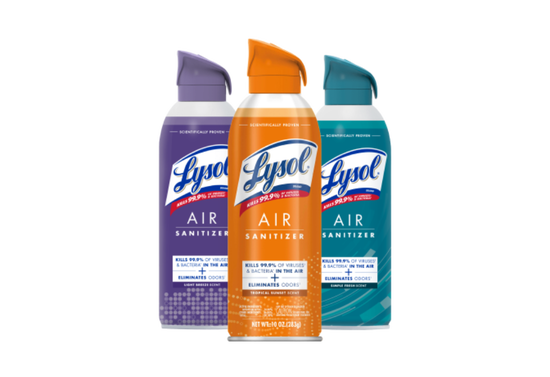
Credit: www.lysol.com
Lysol And Baby Toys
Cleaning baby toys is important to keep germs away. Parents often wonder if Lysol is safe for this task. Lysol is a strong disinfectant known to kill many germs quickly. But baby toys need gentle cleaning because babies put toys in their mouths. Understanding Lysol’s ingredients and the types of baby toys helps decide if Lysol is a good choice.
Ingredients In Lysol
Lysol contains chemicals that kill bacteria and viruses fast. Some common ingredients include:
- Alkyl dimethyl benzyl ammonium chloride
- Ethyl alcohol
- Sodium hypochlorite (in some formulas)
- Fragrance and other additives
These ingredients can be strong and sometimes harmful if ingested. Lysol is not designed for direct contact with children’s mouths. Always read the label for warnings and usage instructions.
Common Types Of Baby Toys
Baby toys come in many shapes and materials. Some types are:
- Plastic toys that are hard and smooth
- Soft toys made of fabric or plush
- Rubber toys like teething rings
- Wooden toys with painted surfaces
Each toy type needs a different cleaning method. Some may be damaged by harsh chemicals. Others can absorb liquids and become unsafe. Knowing the toy material helps choose the best cleaning option.
.png?width=550&height=377&format=png&quality=80)
Credit: www.lysol.com
Safety Concerns
Cleaning baby toys is essential for keeping your little one safe from germs. However, choosing the right cleaning product matters a lot. Lysol is a powerful disinfectant, but it raises important safety concerns when used around babies.
Toxicity Risks
Lysol contains chemicals that can be harmful if ingested or inhaled. Babies often put toys in their mouths, which increases the risk of swallowing toxic residues. Even skin contact with Lysol-treated surfaces can cause irritation or allergic reactions.
Think about this: Would you want your baby chewing on a toy that still has chemical traces? It’s important to read product labels carefully and ensure the toy is rinsed thoroughly if you decide to use Lysol. Otherwise, safer alternatives might be a better choice for your child’s health.
Age-appropriate Use
Not all toys are created equal when it comes to cleaning methods. Soft toys, wooden blocks, and plastic rattles respond differently to disinfectants. Lysol might damage some materials or leave harmful residues that are harder to remove.
Consider the age of your child and the type of toys they play with. If your baby is under one year old, it’s safer to stick with mild soap and water or baby-safe disinfectants. Ask yourself if the cleaning method respects the toy’s material and your baby’s developmental stage.
Effective Cleaning Methods
Keeping baby toys clean is crucial for your child’s health. Effective cleaning methods not only remove dirt but also kill harmful germs. Choosing the right approach ensures your baby’s toys stay safe and fresh without risking exposure to harsh chemicals.
Using Lysol Safely
Lysol can be a powerful disinfectant, but using it safely around baby toys requires caution. Always check the product label to confirm it’s suitable for surfaces your baby will touch.
Never spray Lysol directly onto toys. Instead, spray it onto a cloth first, then wipe the toys thoroughly.
Allow toys to air dry completely before giving them back to your baby. This step helps prevent your child from coming into contact with any leftover residue.
Ask yourself: Are you leaving enough drying time to avoid chemical exposure? This small step makes a big difference in safety.
Alternative Cleaning Solutions
If you prefer avoiding chemical disinfectants, there are plenty of effective alternatives. Mild soap and warm water can remove dirt and germs gently.
- Use a soft brush or cloth to scrub the toys, especially in crevices.
- For plastic toys, a mix of water and white vinegar can disinfect naturally.
- Dishwasher-safe toys can be cleaned on a hot cycle, saving time and effort.
Steam cleaning is another great option if you want to avoid chemicals entirely. It kills bacteria without harsh substances.
What cleaning method fits your lifestyle and keeps your baby safe? Trying different options might reveal your new favorite routine.
.png?width=550&height=377&format=png&quality=80)
Credit: www.lysol.com
Tips For Maintaining Toy Hygiene
Keeping your baby’s toys clean is essential for their health and happiness. Toys can easily collect germs, dust, and dirt, so regular care is necessary. Here are some practical tips to help you maintain toy hygiene effectively.
Regular Cleaning Schedule
Set a cleaning routine that fits your family’s lifestyle. Wiping toys with mild soap and water once a week can reduce germs significantly.
For frequently used toys, consider disinfecting them more often. You can use baby-safe cleaners or wipes specifically designed for children’s items.
Ask yourself: How often do you notice your baby putting toys in their mouth? That’s a good sign to clean those toys more frequently.
Storage And Handling
Where and how you store toys plays a big role in keeping them clean. Use closed bins or baskets to protect toys from dust and pet hair.
Encourage your child to put toys away after playtime. This habit limits exposure to germs and makes cleaning easier.
Remember, toys dropped on the floor or shared with other kids may need extra attention before putting them back in your baby’s hands.
Frequently Asked Questions
Can Lysol Safely Clean Baby Toys?
Lysol can clean baby toys, but avoid using it on toys that babies put in their mouths. Always rinse toys thoroughly after disinfecting. Use Lysol wipes or sprays on hard, non-porous surfaces only. For softer toys, opt for safer, baby-friendly cleaning methods.
Is Lysol Effective Against Germs On Baby Toys?
Yes, Lysol kills 99. 9% of germs on surfaces, including baby toys. It is effective against bacteria and viruses. However, proper application and drying time are essential for maximum disinfection. Ensure toys are rinsed well before giving them back to babies.
How To Use Lysol On Baby Toys Safely?
Spray Lysol on a clean cloth, then wipe the toy’s surface. Avoid direct spraying on toys used by babies orally. Let toys air dry completely. Rinse if needed to remove chemical residues, ensuring toys are safe before baby use.
Can Lysol Damage Baby Toys’ Material?
Lysol may damage delicate or porous baby toys over time. It works best on hard, non-porous plastics or metals. Avoid using Lysol on fabric, wood, or soft toys. Always check the toy’s material and manufacturer’s cleaning instructions before use.
Conclusion
Cleaning baby toys with Lysol requires caution and care. Lysol can kill germs but may leave harmful residue. Always check toy labels for cleaning instructions first. Use milder options like soap and water for safety. Rinse toys well to remove any chemicals.
Keep baby’s health as the top priority. Clean toys often to prevent germs from spreading. Safe cleaning helps keep playtime fun and healthy. Choose the best method that fits your family’s needs.