

Have you ever looked at a small toy quadcopter and wondered if its tiny, intricate electronics could power something much bigger—like a manned quadcopter? Imagine the thrill of soaring through the sky, all powered by the same technology that makes your toy fly in the backyard.
It’s a fascinating idea, right? But how feasible is it really? Could those miniature motors and sensors handle the weight and complexity of a human-piloted aircraft? We’re diving deep into the possibilities and limitations of using small toy quadcopter electronics to build something capable of carrying you.
You’ll discover surprising insights into the world of drone technology and what it might mean for the future of personal flight. So, if you’re curious about how the gadgets you play with today could be shaping tomorrow’s aviation adventures, keep reading. Your imagination is about to take flight!
Credit: www.amazon.ca
Toy Quadcopter Electronics Basics
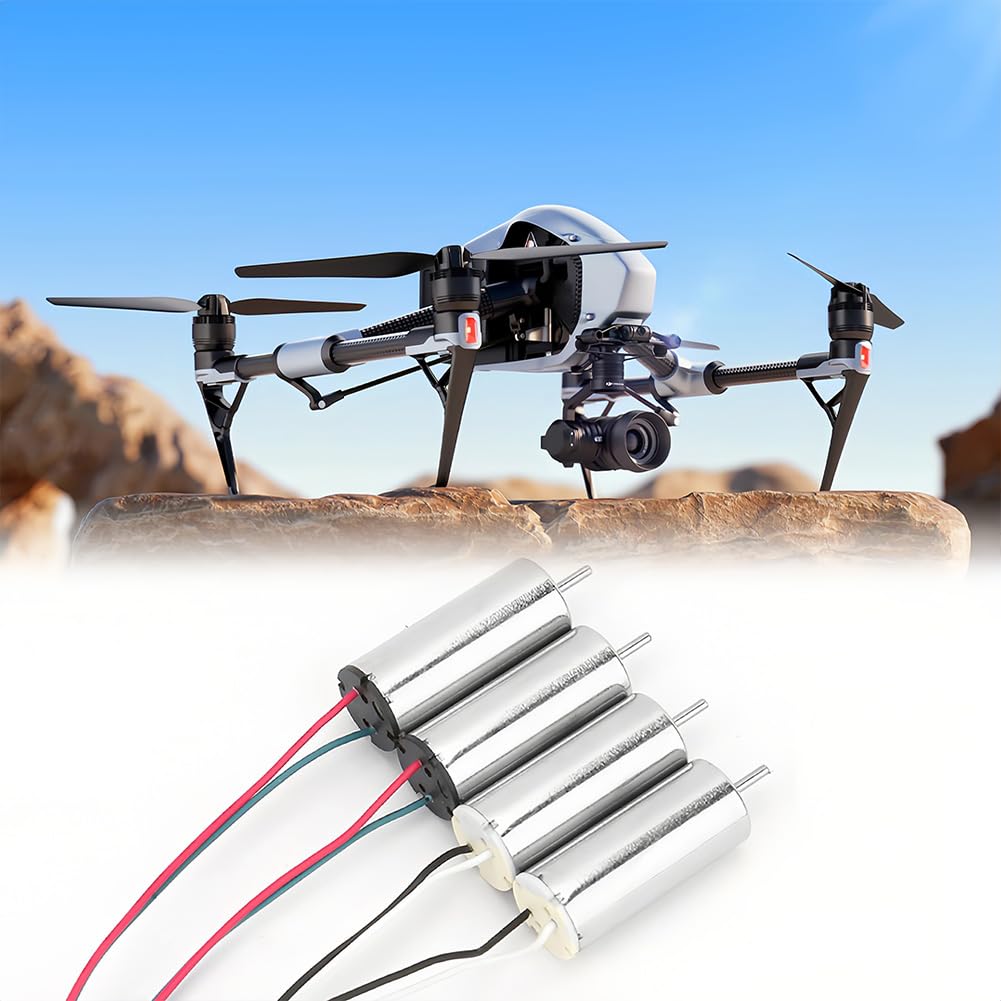
Understanding toy quadcopter electronics is key before considering their use in manned quadcopters. These small drones rely on simple yet effective electronic systems. Their design focuses on lightweight, compact components that manage flight and stability. Examining their basics helps clarify their potential and limits for larger applications.
Core Components And Functions
Toy quadcopters include several essential electronic parts:
- Flight Controller:The brain of the drone, managing sensor data and motor control.
- Motors and ESCs:Electric motors powered by Electronic Speed Controllers to adjust speed.
- Battery:Provides energy, usually small lithium-polymer cells.
- Gyroscope and Accelerometer:Sensors that detect orientation and movement.
- Receiver:Receives commands from the remote control.
Each component plays a vital role in keeping the quadcopter stable and responsive.
Performance Limits
Toy quadcopter electronics are designed for light loads and short flights. Their motors have limited power and speed capabilities. Batteries offer short flight times, usually under 15 minutes. Sensors provide basic stability but lack advanced features. These limits prevent safe use in manned flight scenarios. The electronics cannot handle higher weights or complex control needs.
Typical Control Systems
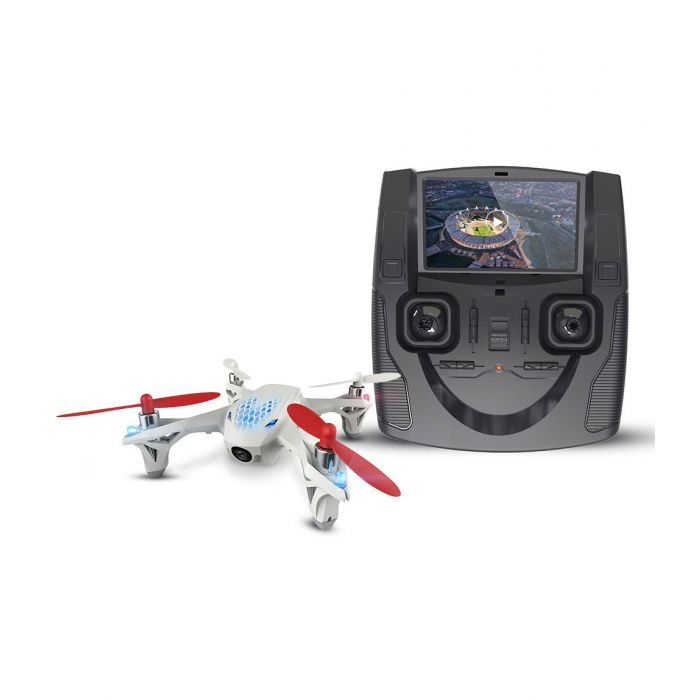
Toy quadcopters use simple radio frequency (RF) controls. The pilot sends commands via a handheld transmitter. The receiver interprets signals and adjusts motor speeds accordingly. Most use basic pulse-width modulation (PWM) for motor control. Flight controllers run simple algorithms for balancing. These systems lack redundancy and advanced safety features. They are suitable for small drones but not for carrying humans.
Credit: www.nitrotek.co.uk
Scaling Challenges For Manned Use
Scaling up small toy quadcopter electronics for manned flight brings serious challenges. Simple parts designed for light models cannot handle the needs of a human-carrying vehicle. The jump from tiny drones to full-size machines requires major changes in design and engineering. This section explores the key issues that arise when adapting toy quadcopter technology for manned use.
Power And Load Capacity
Toy quadcopters run on small batteries with limited power output. They carry only their own weight plus a small payload. For manned quadcopters, the power system must lift much heavier loads, including the pilot and safety gear. Batteries and motors need to be stronger and more efficient. The weight of these larger power systems affects flight time and stability. Simple electronics in toys cannot manage this scale without major upgrades.
Safety And Reliability Concerns
Small toy quadcopters can fail without serious consequences. Manned quadcopters must meet strict safety standards. Electronics must be highly reliable and resistant to failure. Redundant systems often back up critical controls. Sensors and flight controllers need precise calibration. The risk to human life demands extensive testing and certification. Toy electronics lack the robustness required for safe passenger flight.
Signal And Control Range
Toy quadcopters usually operate within short distances. Their remote controls have limited range and weak signal strength. Manned quadcopters require reliable communication over longer distances. Signal loss or interference can cause dangerous situations. Control systems must ensure constant connection and quick response. Advanced telemetry and fail-safe features are necessary. Toy quadcopter electronics fall short in providing this level of control.
Potential Adaptations And Modifications
Adapting small toy quadcopter electronics for a manned quadcopter requires careful changes. The original parts are designed for light, small devices. Using them in a manned craft needs upgrades to handle more weight and power. Several key modifications can improve safety and performance.
Upgrading Motors And Batteries
Toy quadcopter motors are weak for manned flight. Stronger motors provide more lift and stability. Larger batteries offer longer flight time and higher current output. These upgrades help support the heavier weight of a person. Battery safety also becomes critical with increased power demands.
Enhanced Control Systems
Small quadcopters use simple control boards. Manned quadcopters need advanced flight controllers. These systems manage stability and navigation better. They also include fail-safes for emergencies. Enhanced controls improve pilot response and overall safety in flight.
Structural Reinforcements
Toy quadcopters have light frames made of plastic. A manned quadcopter frame must be stronger and more rigid. Using metal or carbon fiber materials increases durability. Reinforced structures support the pilot and reduce vibrations. Proper design ensures the frame withstands higher stress levels.
Future Prospects And Innovations
The future of using small toy quadcopter electronics in manned quadcopters holds intriguing possibilities. As technology advances, the gap between hobbyist gadgets and professional-grade aviation tools narrows. This opens doors for innovation, but also raises important questions about safety, reliability, and practical use.
Advances In Miniaturized Electronics
Electronics are becoming smaller, lighter, and more powerful every year. Components once only found in toys now boast enhanced sensors, faster processors, and improved power efficiency.
This progress means you could soon see critical flight systems scaled down without losing functionality. Imagine a flight controller the size of a coin, yet capable of handling complex navigation tasks on a manned quadcopter.
Could these advances make building your own personal aircraft more accessible? The potential is definitely there, but careful engineering is key.
Integration With Autonomous Technologies
Autonomous flight technologies are evolving rapidly. Combining small quadcopter electronics with AI-driven controls could create safer and more reliable manned vehicles.
Self-stabilizing systems, obstacle avoidance, and automated landing are already improving drone safety. Applying these features to manned quadcopters could reduce pilot workload and enhance flight precision.
Have you considered how much easier flying could become with smart automation? The integration of these techs could transform your piloting experience.
Regulatory And Practical Considerations
Despite exciting tech advancements, regulations will shape what’s possible. Aviation authorities require rigorous safety standards that small toy electronics may struggle to meet initially.
Practical challenges like battery life, redundancy, and environmental resistance also matter. You’ll need robust systems designed specifically for human transport, not just scaled-up toys.
Are you ready to navigate the legal and technical hurdles of turning hobby electronics into real-world flight gear? Understanding these barriers will help you innovate responsibly.

Credit: www.amazon.ca
Frequently Asked Questions
Can Small Toy Quadcopter Electronics Support Manned Flight?
No, small toy quadcopter electronics lack the power and reliability needed for manned flight. Manned quadcopters require advanced, robust systems for safety and control.
What Are The Limitations Of Toy Quadcopter Electronics?
Toy quadcopter electronics have limited processing power, weak motors, and basic sensors. These limitations prevent their use in larger, manned quadcopters.
How Do Manned Quadcopter Electronics Differ From Toy Versions?
Manned quadcopters use high-capacity batteries, advanced flight controllers, and redundant safety systems. Toy electronics focus on simplicity and cost, unsuitable for human transport.
Is It Cost-effective To Adapt Toy Quadcopter Parts For Manned Drones?
No, adapting toy parts for manned drones is unsafe and costly. Manned drones require custom, certified components to ensure pilot safety and performance.
Conclusion
Small toy quadcopter electronics are not built for manned flight. They lack the power, safety, and reliability needed. Manned quadcopters demand stronger, more advanced systems. Using toy parts could cause serious risks. Engineers design manned vehicles with strict standards. Safety must always come first in aviation.
Toy electronics help beginners learn basics but not real flight. Building a manned quadcopter needs specialized technology and testing. Always choose proper components for any flying machine. Safety and performance cannot be compromised.