

If you’re a parent or caregiver, you know how important it is to keep your little one’s toys clean and safe. But with so many cleaning options out there, you might find yourself wondering if bleach is a good choice for sanitizing those beloved playthings.
After all, bleach is a powerful disinfectant, but can it be too harsh for your child’s toys? We’re going to explore everything you need to know about using bleach to clean baby toys. We’ll break down the pros and cons, safety tips, and alternative cleaning methods.
By the end, you’ll have a clear understanding of how to keep your baby’s toys germ-free without compromising on safety. Stick around to discover the best practices and ensure your child’s playtime is as safe as it is fun!
:max_bytes(150000):strip_icc()/How-to-clean-baby-toys-5214136-3866d337300b4b13bed733b58b646ef4.png)
Credit: www.parents.com
Bleach And Baby Toys
Bleach is a common household disinfectant that many parents consider using to clean baby toys. But is it safe and effective for this purpose? Understanding how bleach works and the types of baby toys you have is key to making the right decision for your child’s health.
How Bleach Works
Bleach kills germs by breaking down their cell walls. This process destroys bacteria, viruses, and fungi quickly and thoroughly.
It’s powerful and works on many surfaces, but that power comes with risks. Using too strong a bleach solution can leave harmful residues. If not rinsed well, these residues might irritate your baby’s skin or be ingested.
Have you ever noticed the strong smell after cleaning with bleach? That’s a sign it’s still present and can be too harsh for delicate baby items.
Types Of Baby Toys
Baby toys come in many materials, and not all react well to bleach. Consider what your toys are made of before deciding how to clean them.
- Plastic toys:Most plastic toys can handle a diluted bleach solution but check for cracks where bacteria hide.
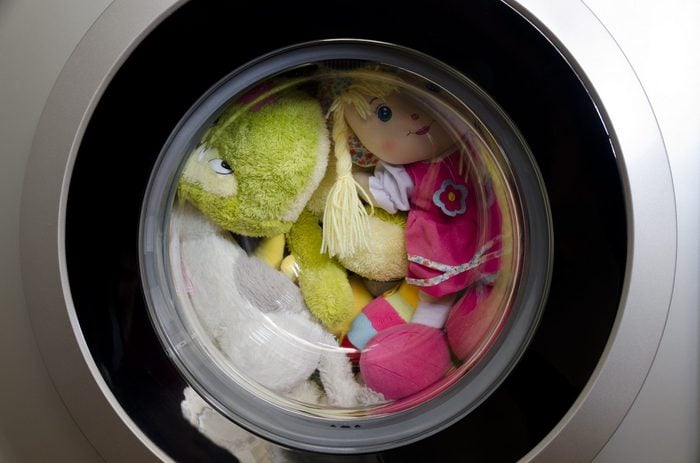
- Soft toys and stuffed animals:Bleach can damage fabric and colors, so it’s usually best to avoid using it here.
- Wooden toys:Bleach can strip wood and make it rough or unsafe, so it’s not recommended.
- Teething toys:These need extra caution since babies put them in their mouths; mild soap and water are safer.
Knowing your toy’s material helps you choose a cleaning method that’s both safe and effective. What types of toys does your baby play with most often?
Safety Concerns
Cleaning baby toys is important for hygiene. Parents want to remove germs without harming their child. Using bleach may seem effective but raises safety concerns. Understanding these concerns helps choose the safest cleaning method.
Risks Of Using Bleach
Bleach is a strong chemical that can irritate skin and eyes. Babies have sensitive skin that can react badly to bleach. Even small amounts left on toys may cause rashes or allergic reactions. Bleach fumes can also be harmful if inhaled in closed spaces. Toys made of soft plastic or fabric can absorb bleach, making it harder to rinse out completely. This creates a risk of long-term exposure to harmful chemicals.
Toxic Residue Issues
Bleach can leave toxic residues on toys if not rinsed well. These residues are dangerous because babies often put toys in their mouths. Swallowing bleach residue can cause stomach pain, nausea, or worse. Thorough rinsing is hard to achieve, especially on toys with cracks or small parts. Water alone may not remove all bleach traces, increasing the risk of poisoning. Safer alternatives include soap and warm water or baby-safe disinfectants.
Safe Cleaning Alternatives
Choosing the right cleaning method for baby toys is crucial to keep your little one safe. Harsh chemicals like bleach can leave residues that might irritate sensitive skin or cause breathing issues. Fortunately, there are safer cleaning alternatives that effectively sanitize toys without the risks.
Non-toxic Cleaners
Non-toxic cleaners are designed to kill germs without harmful chemicals. Many brands offer baby-safe sprays and wipes that use ingredients like hydrogen peroxide or ethanol in safe concentrations. These products clean toys thoroughly and rinse off easily, leaving no harmful residue behind.
If you’re unsure about a product, check labels for certifications such as “EPA Safer Choice” or “Made for Babies.” These can guide you toward safer options. Have you tried any non-toxic cleaner that worked well for your baby’s toys?
Natural Cleaning Methods
Natural cleaning uses simple household items to sanitize toys effectively. Warm water and mild soap are often enough to remove dirt and germs from plastic and rubber toys. For extra disinfecting power, a mixture of white vinegar and water can be used—it’s gentle and safe.
Another great tip is to use steam from boiling water or a steam cleaner to sanitize toys without any chemicals. This method kills most bacteria and dries quickly. Do you feel more comfortable using natural ingredients around your baby?

Credit: www.reddit.com
Best Practices For Toy Cleaning
Cleaning baby toys is essential to keep your little one safe from germs and bacteria. But using bleach requires caution and the right approach to avoid any harm. Understanding the best practices can help you clean effectively without damaging the toys or risking your child’s health.
Proper Bleach Dilution
Bleach is powerful, but using it straight can be dangerous for baby toys. Always dilute bleach properly to ensure it’s strong enough to kill germs but safe for the toys and your child.
- Use 1 tablespoon of bleach per 1 gallon of water for a safe cleaning solution.
- Mix in a well-ventilated area and wear gloves to protect your skin.
- Never mix bleach with other household cleaners, especially ammonia, to avoid toxic fumes.
Think about the last time you cleaned toys—did you use the right dilution? Using too strong a solution might damage the toy’s surface or leave harmful residue.
Rinsing And Drying Tips
Rinsing toys thoroughly after cleaning with bleach is crucial. Any leftover bleach can irritate your baby’s skin or cause respiratory issues.
- Rinse toys under running water for at least 30 seconds to remove all bleach traces.
- For toys with small crevices, use a soft brush to ensure all bleach is washed away.
- Allow toys to air dry completely before giving them back to your child to prevent mold growth.
Have you noticed how damp toys sometimes develop a strange smell? Proper drying stops that and keeps toys fresh and safe for your baby to play with again.
Credit: www.familyhandyman.com
Frequently Asked Questions
Can Bleach Safely Clean Baby Toys?
Yes, bleach can safely clean baby toys when diluted properly. Use a solution of one tablespoon bleach per gallon of water. Rinse toys thoroughly and let them air dry to remove bleach residue and ensure safety for babies.
How Often Should I Disinfect Baby Toys?
Disinfect baby toys weekly or more often if visibly dirty. Regular cleaning reduces germs and bacteria. Always check toy material compatibility with bleach or disinfectants before cleaning.
Are There Alternatives To Bleach For Cleaning Baby Toys?
Yes, alternatives include vinegar, baking soda, or mild soap and water. These options are gentle, non-toxic, and effective for everyday cleaning without harsh chemicals.
Can Bleach Damage Baby Toys?
Bleach can damage some baby toys, especially those made of foam or painted surfaces. Always test a small area first and avoid prolonged soaking to prevent damage.
Conclusion
Bleach can clean baby toys but use it with caution. Always dilute bleach well to avoid harm. Rinse toys thoroughly after cleaning to remove all bleach. Some toys may get damaged by bleach, so check first. Safer options like soap and water also work well.
Keeping baby toys clean helps protect your child’s health. Choose cleaning methods that are safe and easy to follow. Clean toys regularly to keep germs away and playtime safe.