
Imagine giving your child a fun activity that not only entertains but also boosts their brain power. Puzzles are more than just a pastime; they are a powerful tool to sharpen your 11-year-old’s mind.
As a parent, you might be searching for ways to help your child grow intellectually while keeping them engaged. This is where puzzles come into play, offering a unique blend of challenge and enjoyment. Dive into this article to discover how puzzles can enhance your child’s cognitive skills, improve their problem-solving abilities, and even strengthen their emotional well-being.
Get ready to unlock the secrets of why puzzles are the perfect fit for your pre-teen’s development. Don’t miss out on learning how this simple activity can have a profound impact on your child’s growth!
Cognitive Development
Puzzles boost cognitive development in 11-year-olds by enhancing problem-solving skills and improving memory. They encourage concentration and foster patience, offering a fun way to learn.
Cognitive development in children is a fascinating journey of growth and exploration. At 11 years old, your child’s brain is like a sponge, absorbing knowledge and experiences that shape their thinking. Puzzles play a crucial role in enhancing this development, offering more than just fun and games. Puzzles challenge your child’s ability to analyze and solve problems. As they work through complex puzzles, they’re exercising their brain to think critically. This skill is not only beneficial now but will serve them well in school and beyond.Boosting Memory Retention
Solving puzzles requires recalling patterns, shapes, and strategies. This repeated use of memory enhances your child’s ability to retain information. Improved memory is a gift that keeps giving, especially during school exams and daily activities.Improving Concentration
Puzzles demand focus and attention to detail. Your child learns to concentrate deeply, tuning out distractions as they work towards a solution. This improved concentration can help them stay engaged in tasks and maintain a steady focus in classrooms.Encouraging Logical Thinking
Logical thinking is the backbone of puzzle-solving. Each step in a puzzle requires a logical approach, teaching your child to connect ideas and reason out solutions. This skill nurtures a structured thinking process, essential for subjects like math and science.Fostering Creativity
While puzzles seem logical, they also encourage creative thinking. Your child learns to think outside the box when faced with tricky puzzles. This creativity can blossom into innovative thinking, beneficial in all walks of life.Building Resilience
Every puzzle comes with a challenge, and not every attempt leads to success immediately. As your child persists, they learn resilience and the value of perseverance. This attitude helps them approach life’s hurdles with confidence and determination. So, how can you incorporate puzzles into your child’s routine? Consider setting aside a specific time for puzzle-solving each week. Encourage them to try different types, from jigsaw to logic puzzles, and watch their cognitive skills grow.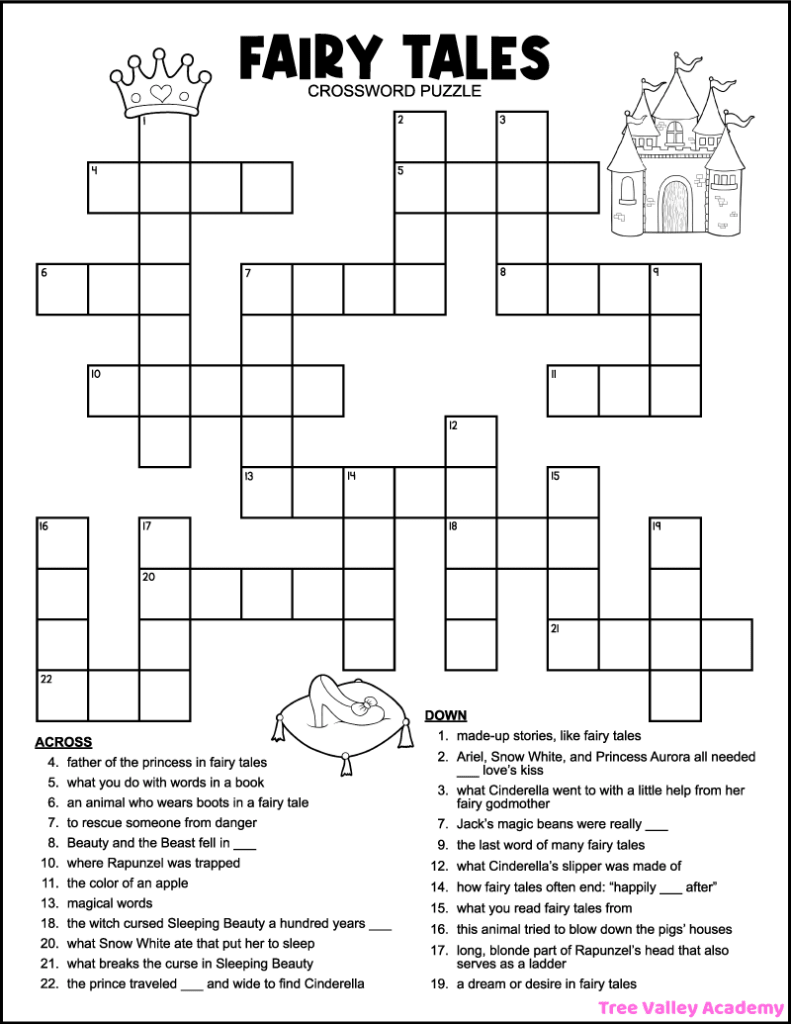
Credit: www.treevalleyacademy.com
Enhancing Problem-solving Skills
Puzzles boost logical thinking in 11-year-olds. They improve concentration and encourage creative solutions. Engaging with puzzles also enhances cognitive skills, making learning enjoyable.
Enhancing Problem-Solving Skills Puzzles are a fantastic way to boost problem-solving skills in 11-year-olds. As children navigate through various challenges and obstacles within a puzzle, they learn how to think critically and creatively. This hands-on experience can foster a mindset geared towards finding solutions rather than being overwhelmed by problems.Breaking Down Complex Problems
When kids tackle a puzzle, they often face complex tasks that require breaking down into manageable parts. This process teaches them how to approach real-life problems with a structured mindset. You might notice your child applying this skill when they have a math problem or need to plan a project. Encouraging them to tackle puzzles regularly can make this skill second nature.Developing Strategic Thinking
Puzzles often require strategic thinking to solve efficiently. As your child works through different types of puzzles, they learn to anticipate moves and consequences. This ability to strategize can be particularly helpful in competitive settings or when dealing with time-sensitive decisions. How often have you seen your child plan out their moves in a board game? It’s all about honing that strategic edge.Boosting Confidence Through Problem Solving
Successfully completing a puzzle can be a huge confidence booster for your child. It proves to them that they can overcome difficulties and find solutions. This newfound confidence can translate into other areas of life, encouraging them to tackle challenges head-on. Imagine the pride on your child’s face when they finally solve a tough puzzle—it’s not just about the victory, but the journey to get there.Encouraging Persistence And Patience
Puzzles teach persistence and patience. As kids work through challenging puzzles, they learn that some problems take time and effort to solve. This persistence is crucial, especially in today’s fast-paced world where quick fixes are often sought. Encourage your child to view puzzles as opportunities to practice patience and perseverance, skills that will serve them well throughout life.Enhancing Logical Thinking
Logical thinking is another skill sharpened by puzzles. As your child deduces solutions by analyzing patterns and sequences, they are effectively training their brain to think logically. You might find them applying this logical approach in their everyday reasoning, helping them make better-informed decisions. It’s a skill that can be a game-changer in both academics and daily life. Would you agree that these benefits make puzzles more than just a fun activity? How might you integrate puzzles into your child’s routine to enhance these skills?Improving Memory And Concentration
Puzzles enhance memory and concentration in 11-year-olds by engaging their problem-solving skills. They promote logical thinking and patience. Regular puzzle-solving can lead to improved focus and cognitive development.
Improving memory and concentration is crucial for 11-year-olds. Puzzles offer an enjoyable way to enhance these skills. They challenge the brain, helping kids remember and focus better. Let’s explore how puzzles benefit young minds.Enhancing Short-term Memory
Puzzles demand recalling different pieces and their placements. This practice strengthens short-term memory. Kids remember patterns and shapes, boosting their recall abilities.Boosting Concentration Levels
Focusing on puzzles requires attention to detail. Kids must concentrate to fit pieces correctly. This practice enhances their ability to concentrate on other tasks.Developing Problem-solving Skills
Puzzles present challenges that need solutions. Kids learn to solve problems by trying different approaches. This improves their analytical thinking and decision-making skills.Encouraging Patience And Persistence
Puzzles teach patience as they require time to complete. Kids learn persistence by trying until the puzzle is solved. These traits are valuable in everyday life.Strengthening Visual-spatial Skills
Puzzles help kids understand how pieces fit together. This improves their visual-spatial skills. These skills are essential for subjects like math and science.Improving Logical Thinking
Puzzles involve logical thinking and planning. Kids develop these skills while figuring out how pieces connect. This enhances their ability to think critically. Puzzles are more than just fun. They are tools for growth. Each piece contributes to a child’s development.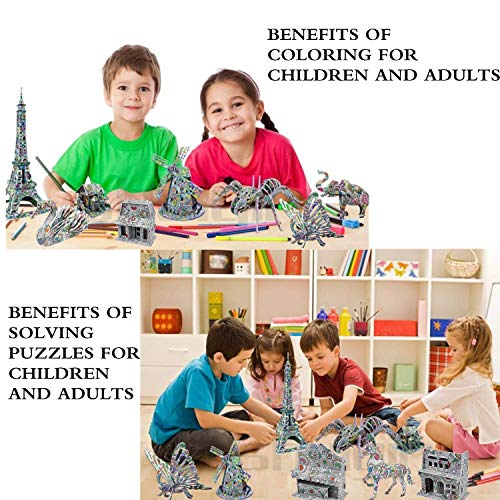
Credit: oman.whizzcart.com
Credit: my.peachjar.com
Frequently Asked Questions
What Do Puzzles Help Kids Develop?
Puzzles help kids develop critical thinking, problem-solving skills, and spatial awareness. They enhance hand-eye coordination and concentration. Children also improve memory and cognitive abilities while boosting patience and perseverance. Engaging with puzzles encourages creativity and logical reasoning, supporting overall brain development in a fun and interactive way.
How Many Piece Puzzles Are Good For A 12 Year Old?
A 12-year-old can handle puzzles with 500 to 1,000 pieces. These puzzles offer an engaging challenge, enhancing problem-solving skills. Choose themes matching their interests to keep them motivated and entertained. This activity also helps improve concentration and patience, making it both fun and educational.
What Does It Mean If My Kid Is Really Good At Puzzles?
Your child excels at puzzles, indicating strong problem-solving skills and enhanced cognitive abilities. This talent suggests they possess spatial awareness, patience, and concentration. Engaging in puzzles boosts creativity and critical thinking, fostering intellectual growth. Encourage this skill to nurture their development and potential.
What Are The Benefits Of Playing Puzzles?
Playing puzzles enhances cognitive skills, improves memory, and boosts problem-solving abilities. It sharpens concentration and promotes relaxation. Engaging in puzzles also enhances creativity and improves hand-eye coordination. It fosters patience and encourages perseverance. Puzzles offer fun and mental stimulation for all ages, promoting overall brain health.
Conclusion
Puzzles offer many benefits for 11-year-olds. They boost thinking skills and improve problem-solving abilities. Kids gain patience and focus while having fun. Social interactions happen when solving puzzles together. They also strengthen memory and build confidence. Puzzles support creativity and imagination too.
As children engage with puzzles, they learn new ways to think. Parents find puzzles a great tool for development. They are simple but effective in growing young minds. Encourage your child to explore puzzles today. Watch them thrive and enjoy learning.
Puzzles make learning an exciting adventure.