

You want the best for your baby, and choosing the right toys is a big part of that. But when it comes to walker toys, are they really as beneficial as they seem?
Or could they actually pose risks to your little one? You’re not alone in asking these questions. Many parents like you are unsure about the impact of walker toys on their baby’s development and safety. Before you make a decision, it’s crucial to have all the facts.
This article will unravel the truth behind walker toys for babies, helping you make an informed choice that ensures your child’s well-being and growth. Keep reading to discover surprising insights that could change your perspective on these popular toys.
Safety Concerns With Walker Toys
Walker toys may seem like a fun way to help your baby explore, but safety concerns are a big reason to pause before you bring one home. These devices can create risks that many parents don’t expect, turning a simple playtime tool into a potential hazard. Understanding these safety issues can help you make the best choice for your child’s well-being.
Common Injuries Linked To Walkers
Walkers can lead to several types of injuries, often more serious than you might think. Babies can fall down stairs, tip over, or reach dangerous objects faster than you can react. Head injuries and broken bones are unfortunately common because walkers increase a baby’s speed and mobility without the coordination to handle it safely.
Parents often share stories of sudden falls or bumps that happened in seconds while their baby was in a walker. These accidents show how quickly things can go wrong, even with close supervision. Have you considered how much control your baby has when using a walker?
Hazards In Home Environments
Walkers can turn everyday household dangers into serious threats. Sharp corners, hot stoves, and open doors suddenly become accessible to a baby who can move faster and reach higher. A small gap under a gate or a loose rug can cause a walker to tip, leading to falls and injuries.
Think about your home layout: is it truly safe for a mobile baby in a walker? Even if you childproof the main areas, walkers allow babies to explore places they shouldn’t be. This hidden risk means you need to be extra vigilant or consider safer alternatives.
Credit: www.thebump.com
Impact On Baby Development
Walker toys can affect how babies grow and learn new skills. They change the way babies move and explore their world. Parents should understand these effects to make the best choices for their child’s development.
Effect On Motor Skills
Walkers may limit a baby’s chance to use their muscles fully. Babies need to practice crawling and standing to build strong muscles. Using a walker can reduce these natural movements. This might slow down the development of balance and coordination. Babies might rely on the walker instead of learning to control their own body.
Delayed Milestones
Babies in walkers sometimes reach walking milestones later than others. The walker supports them, so they don’t learn to balance on their own. This support can delay skills like standing and walking independently. Doctors and experts suggest supervised floor play instead. This helps babies reach milestones at a healthy pace.
Expert Opinions And Recommendations
Understanding what experts say about baby walkers can help you make safer choices for your little one. Opinions from pediatricians and safety organizations often highlight risks but also offer practical advice. Let’s look closely at what these experts recommend and why their views matter for your baby’s well-being.
Pediatrician Views
Pediatricians often warn against the use of walkers due to safety concerns. Many have seen cases where babies suffered injuries from falls or access to dangerous areas while in walkers.
Some doctors point out that walkers might delay important developmental milestones like crawling and walking. They suggest that free floor play encourages natural muscle strength and coordination better than a walker can.
However, a few pediatricians acknowledge that if you choose to use a walker, constant supervision is crucial. They recommend limiting walker time and ensuring the area is free from hazards.
Guidelines From Safety Organizations
Leading safety organizations have clear positions on baby walkers. The U.S. Consumer Product Safety Commission (CPSC) has called for a ban on traditional baby walkers due to high injury rates.
Many groups advise parents to opt for stationary activity centers instead. These allow babies to play and learn to stand without the risk of moving around unsupervised.
Here’s what safety organizations typically recommend:
- Never leave a baby unattended in a walker.
- Use walkers only on flat, hazard-free surfaces.
- Consider alternatives like play mats or stationary seats.
- Focus on activities that promote natural movement and balance.
Have you thought about whether the convenience of a walker outweighs the potential risks? Your choice can impact your baby’s safety and development in ways you might not expect.
Credit: www.thebump.com
Safer Alternatives To Walkers
Choosing safer alternatives to walkers can help your baby develop mobility skills without the risks associated with traditional walkers. These options encourage natural movement and exploration while keeping your little one secure and engaged. Let’s look at some practical ways to support your baby’s growth safely.
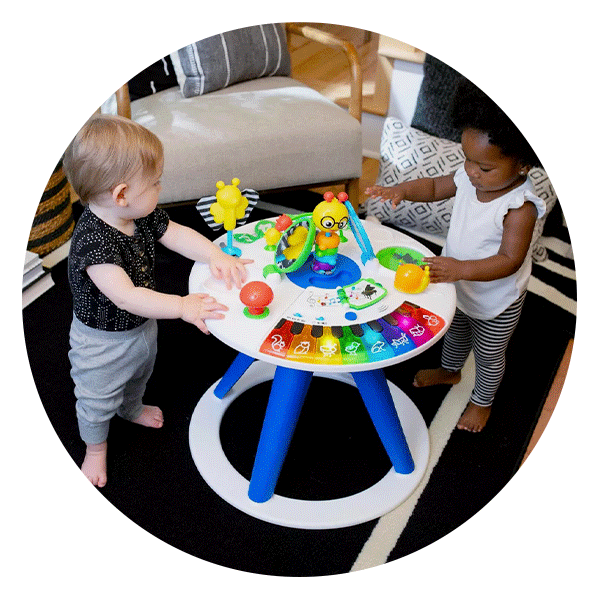
Activity Centers
Activity centers provide a stationary spot filled with toys that stimulate your baby’s senses and motor skills. Unlike walkers, these centers keep your baby in one place, reducing the risk of falls or access to dangerous areas.
Many activity centers include colorful buttons, mirrors, and sound features that encourage your baby to reach, grasp, and learn cause-and-effect. You might notice your baby spending more time exploring toys with focused interest rather than rushing to move around.
Consider an activity center with adjustable height settings to grow alongside your baby. This way, you can ensure comfort and safety as your child gains strength.
Supervised Floor Play
Floor play is one of the best ways to help your baby develop strength and coordination naturally. By placing your baby on a soft mat or blanket, you give them the space to roll, crawl, and push up at their own pace.
Supervise closely to keep your baby safe, but allow plenty of freedom to explore. You might be surprised how quickly your baby masters movements when given room and encouragement.
Adding simple toys like soft balls, stacking cups, or textured blocks can make floor time more engaging. Have you noticed how your baby’s curiosity grows with just a few well-chosen toys on the floor?

Credit: toycycle.co
Frequently Asked Questions
Are Walker Toys Safe For Baby Development?
Walker toys can hinder natural motor skills and delay walking milestones. They may cause poor posture and muscle weakness. Supervision is crucial if used, but many experts recommend avoiding them for safer alternatives that promote natural movement and development.
Why Are Walker Toys Considered Dangerous?
Walkers increase the risk of falls and injuries as babies move quickly and unpredictably. They allow access to hazardous areas like stairs and hot surfaces. Many safety organizations advise against walkers due to these common accidents and potential harm.
How Do Walkers Affect Baby’s Walking Skills?
Walkers can delay walking because they reduce babies’ opportunity to develop balance and coordination naturally. Babies rely on walkers for movement instead of building strength needed for independent walking, which may slow overall physical development.
Are There Safer Alternatives To Baby Walkers?
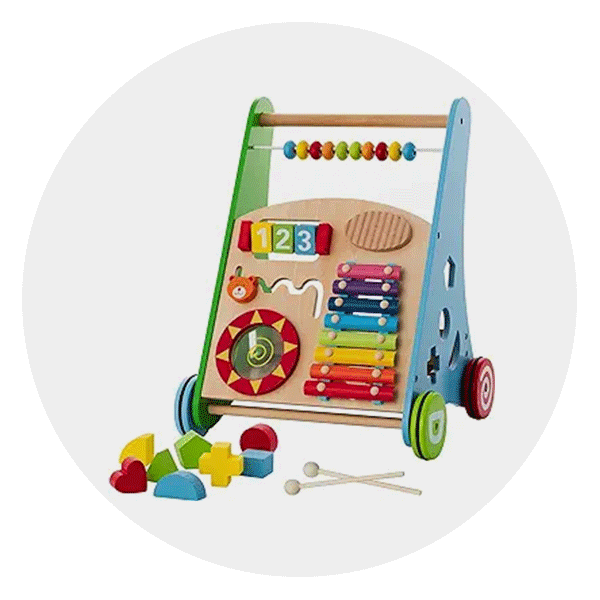
Yes, stationary activity centers and push toys encourage movement safely. These alternatives support muscle development without the risks linked to mobility in walkers. They allow babies to explore while staying secure and building necessary motor skills.
Conclusion
Walker toys can pose risks to babies’ safety and development. They may cause accidents or delay walking skills. Parents should watch babies closely if they use walkers. Safer alternatives like supervised playtime help babies learn better. Choosing wisely protects your baby’s health and growth.
Safety always comes first for little ones. Keep babies active and safe with smart choices.