

Are toys bad for babies? As a parent, you might find yourself pondering this question every time you walk down the toy aisle.
With a kaleidoscope of colors, textures, and sounds, toys seem to promise endless fun and learning. But do they truly benefit your baby, or could they be doing more harm than good? Imagine this: you want to give your child the best start in life.
You want them to grow, learn, and develop in a safe environment. Toys seem like the perfect tool for that. But what if some toys are not as beneficial as they appear? What if they hinder rather than help? We’ll dive deep into the world of toys and their impact on your little one. We’ll explore the hidden effects toys might have on your baby’s development, shedding light on what you need to know to make informed choices. Stick with us, and you’ll discover insights that could change the way you think about toys forever. Are you ready to uncover the truth?
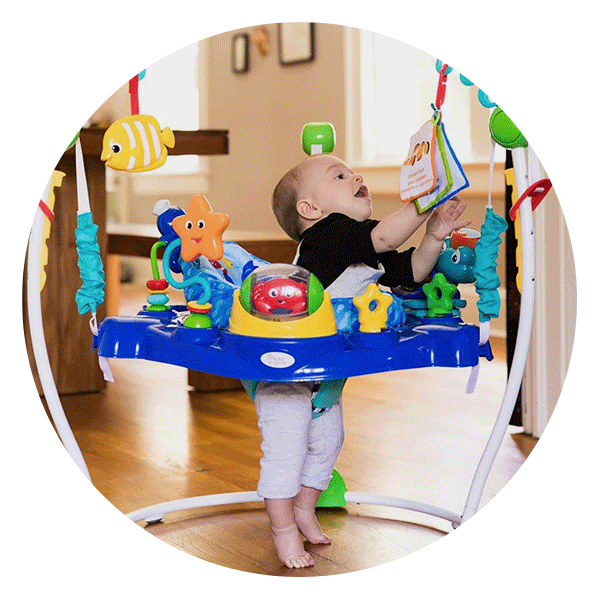
Credit: www.thebump.com
Benefits Of Toys For Babies
Toys play a vital role in a baby’s growth and learning. They offer more than just fun and entertainment. Toys help babies explore their world and develop key skills. Choosing the right toys can support a baby’s health and happiness in many ways.
Enhancing Motor Skills
Toys encourage babies to use their hands and fingers. Grasping, shaking, and pushing toys improve hand-eye coordination. Crawling towards toys helps build muscle strength. Simple actions like stacking blocks develop fine motor skills. These movements prepare babies for tasks like writing and dressing.
Boosting Cognitive Development
Toys stimulate a baby’s brain by introducing new ideas. Bright colors and different shapes teach recognition and memory. Puzzles and sorting toys promote problem-solving skills. Listening to sounds from toys improves attention and hearing. Babies learn cause and effect by interacting with toys.
Encouraging Social Interaction
Toys can bring babies and parents together. Playing with others teaches sharing and cooperation. Dolls and stuffed animals help babies practice empathy. Group play with toys builds communication skills. Social play prepares babies for future friendships and teamwork.

Credit: www.youtube.com
Potential Risks Of Toys
Toys bring joy and learning to babies. Yet, not all toys are completely safe. Some toys carry risks that parents should know. These risks can affect a baby’s health and safety. Understanding these dangers helps in choosing safer toys for little ones.
Choking Hazards
Small parts in toys can block a baby’s airway. Babies often put objects in their mouths. Toys with tiny pieces or loose parts pose choking risks. Always check the toy size and parts before giving it to a baby. Avoid toys that can break easily into small bits.
Toxic Materials And Allergies
Some toys contain harmful chemicals like lead or phthalates. These substances can cause health problems or allergic reactions. Babies have sensitive skin and developing bodies. Choose toys made from non-toxic, hypoallergenic materials. Look for safety certifications on toy packaging.
Overstimulation Concerns
Toys with bright lights and loud sounds can overwhelm babies. Overstimulation may cause fussiness, sleep problems, or irritability. Babies need calm and simple play to develop well. Select toys that encourage gentle interaction and quiet focus. Balance active play with quiet time.
Choosing Safe And Suitable Toys
Choosing safe and suitable toys for your baby is more important than you might think. Toys are not just for fun; they play a key role in your baby’s development and safety. Picking the right ones requires attention to details that protect and support your little one’s growth.
Age-appropriate Selection
Every stage of your baby’s life needs different types of toys. Toys designed for newborns focus on sensory development, while those for toddlers encourage movement and problem-solving.
Check the recommended age on the packaging. It’s there for a reason—to help you avoid toys with small parts that could be choking hazards or toys too advanced for your baby’s current skills.
Have you ever noticed how your baby reacts to a toy? Their interest can tell you if the toy matches their age and abilities better than any label.
Material Safety Checks
The materials used in toys can affect your baby’s health. Look for toys made from non-toxic, BPA-free plastics, natural wood, or organic fabrics.
Always wash new toys before your baby uses them, especially if they tend to put things in their mouth. This removes dust, dirt, and chemical residues.
Ask yourself, does the toy have a smell? A strong chemical odor might signal harmful substances that you should avoid.
Durability And Design Features
Toys for babies must withstand rough handling without breaking or creating sharp edges. Durable construction means the toy stays safe longer and saves you money.
Simple designs often work best. Avoid toys with loose parts, strings, or small pieces that could come off and cause choking or strangulation risks.
Think about your own experience: Have you ever had to throw away a toy because it broke easily? Choosing well-made toys prevents these frustrations and protects your baby.
Alternatives To Traditional Toys
Traditional toys aren’t the only way to stimulate your baby’s growth and curiosity. Alternatives can offer just as much fun, learning, and development without the need for expensive or plastic items. Sometimes, the simplest things around your home can spark the most imaginative play and sensory exploration.
Everyday Household Items
You might be surprised at how many common household objects can double as toys for your baby. Items like wooden spoons, empty containers, or fabric scraps provide safe, open-ended play opportunities.
These objects encourage babies to explore different textures, shapes, and sounds. For example, stacking pots or filling containers with rice can captivate your child’s attention while improving their motor skills. Have you ever noticed how a simple cardboard box can turn into a castle or a tunnel in your baby’s eyes?
Natural And Sensory Play
Nature offers endless materials that engage your baby’s senses. Leaves, stones, pinecones, and flowers provide a rich variety of textures and smells for tactile exploration.
Try creating a sensory basket filled with safe natural items for your baby to touch and discover. This kind of play supports sensory development and encourages curiosity about the world. How often do you take your baby outdoors just to let them feel the grass or listen to birds?
Interactive Parent-child Activities
Engaging directly with your baby through simple activities can be more valuable than any toy. Singing songs, reading picture books, or playing peek-a-boo helps build your baby’s social and language skills.
Involving your baby in everyday routines like cooking or tidying up can also become playful learning moments. When you talk through what you’re doing and invite your baby to participate, you foster connection and cognitive development. What everyday activity could you turn into a fun game with your baby today?
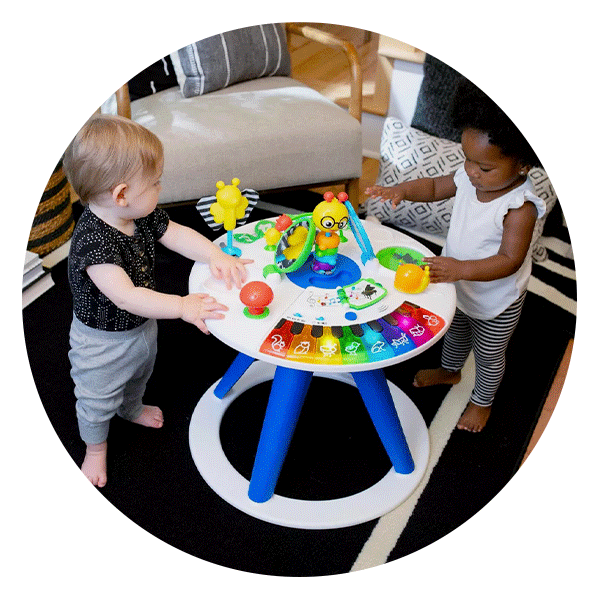
Credit: www.thebump.com
Frequently Asked Questions
Are Toys Harmful To Babies’ Development?
Toys are generally safe and beneficial for babies’ growth. They encourage motor skills, creativity, and learning. However, unsafe or inappropriate toys can pose risks. Always choose age-appropriate, non-toxic toys to support healthy development.
Can Toys Cause Safety Risks For Babies?
Yes, some toys can cause choking, poisoning, or injury. Small parts, sharp edges, or toxic materials are dangerous. Always supervise playtime and select toys meeting safety standards to minimize risks.
How Do Toys Affect Babies’ Emotional Well-being?
Toys can comfort and stimulate babies emotionally. Soft, familiar toys provide security, while interactive ones boost social skills. Proper toy selection helps nurture emotional growth and bonding with caregivers.
When Should I Introduce Toys To My Baby?
Toys can be introduced from birth, focusing on sensory stimulation. Soft, colorful, and textured toys suit newborns. As babies grow, introduce toys that promote motor skills and cognitive development.
Conclusion
Toys can help babies learn and grow. Choosing safe, age-appropriate toys matters most. Watch how your baby plays and joins in. Toys should support, not replace, real-world experiences. Too many toys might overwhelm a baby. Simple toys often bring the most joy and learning.
Remember, love and attention are the best gifts. Keep a balance to help your baby thrive.