

Have you ever wondered if toy cars with controllers are electronic? It’s a common question, especially when you’re searching for the perfect gift or a new hobby.
These toys captivate with their speed and maneuverability, but what makes them tick? Understanding this can help you make smarter choices and find the best value for your money. This article will dive into what truly defines an electronic toy car, so you can feel confident in your next purchase.
Stick around to uncover the surprising details that set these toys apart and discover the hidden technology that might just change how you see them forever.
Credit: www.cool-mania.com
Types Of Toy Cars With Controllers
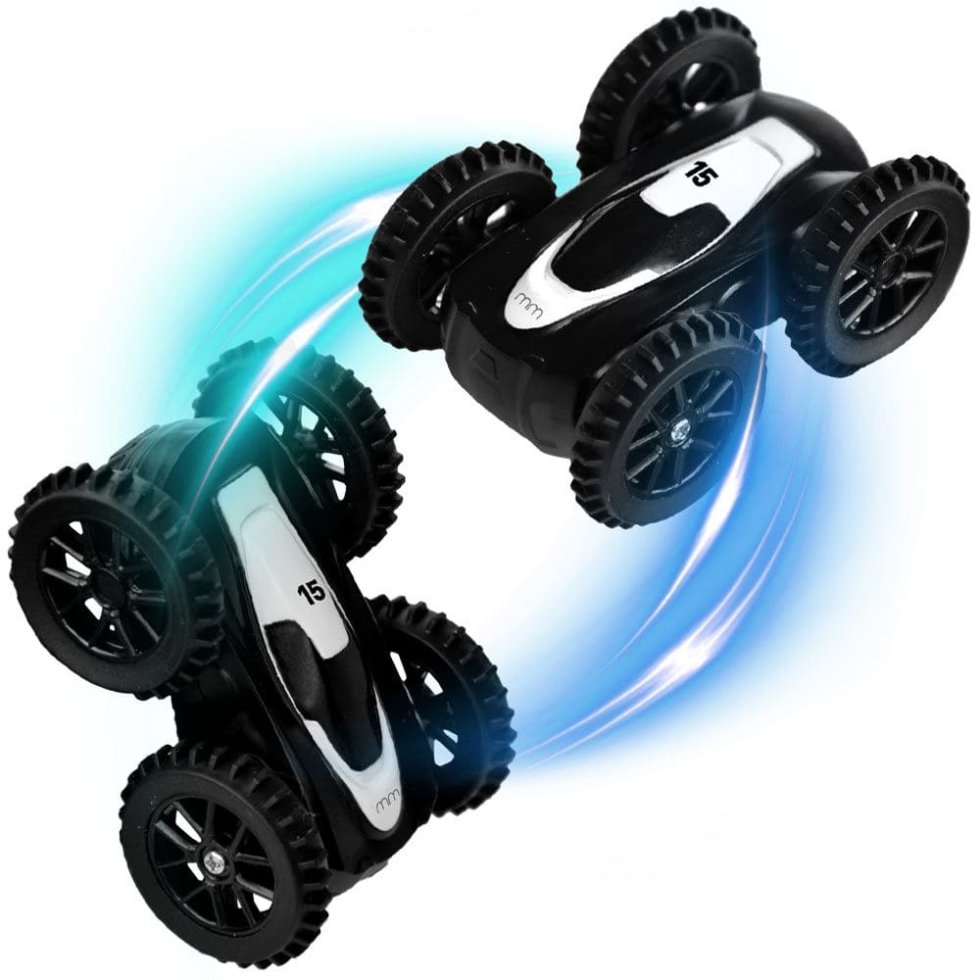
Toy cars with controllers come in different forms, each offering a unique way to interact and play. Understanding these types helps you pick the right one for your needs or your child’s interests. Whether you want simple steering or advanced features, there’s a controller car designed for you.
Remote-controlled Cars
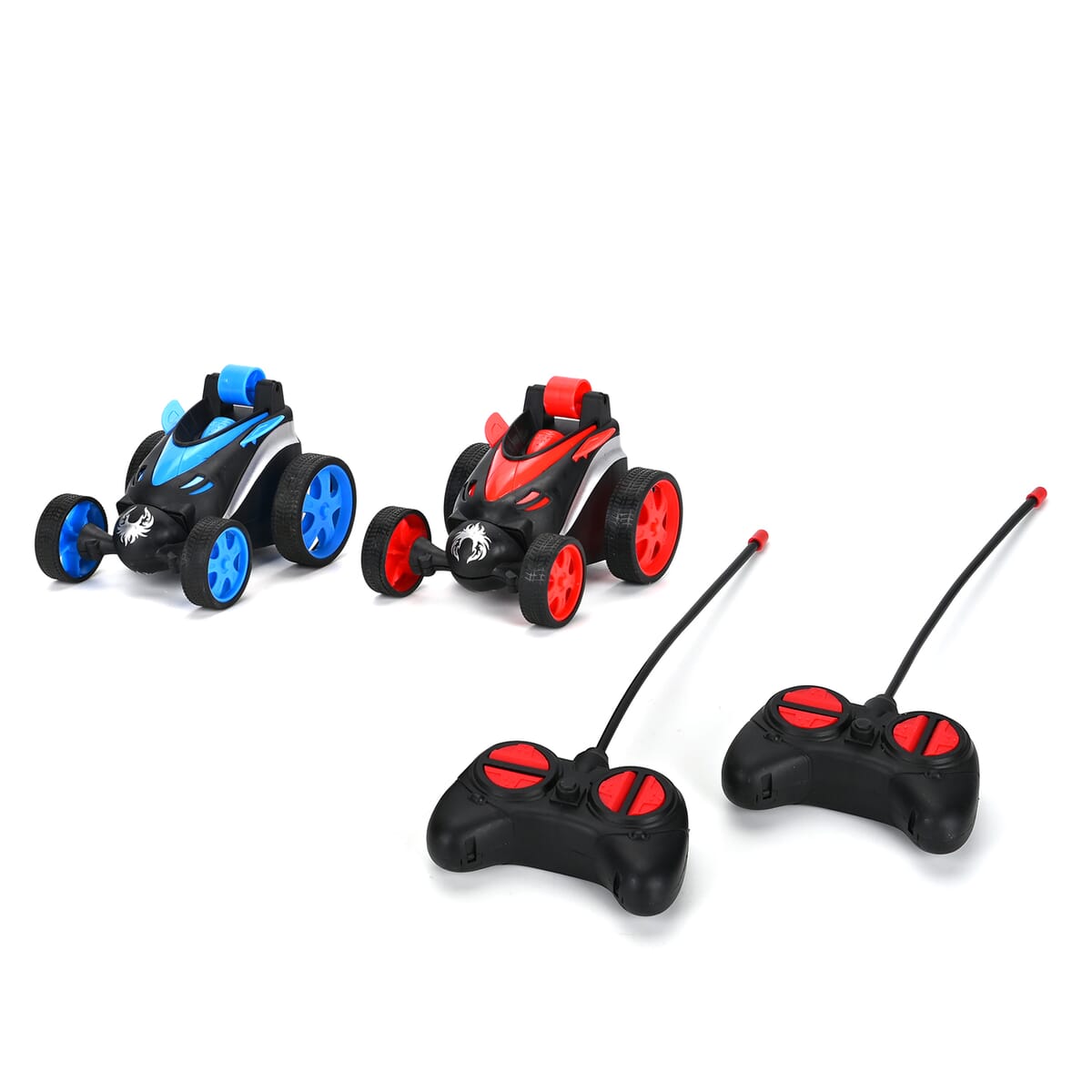
Remote-controlled cars use a handheld device with buttons or joysticks to drive the car. These controllers usually work on radio frequencies, allowing you to steer, accelerate, and brake from a distance.
They are perfect if you enjoy direct, hands-on control and fast-paced racing. Many models come with different speed settings and can handle various terrains, from smooth floors to gravel.
App-controlled Cars
App-controlled cars connect to your smartphone or tablet via Bluetooth or Wi-Fi. You use an app to control the car’s movements, and sometimes even access features like camera views or programmable tricks.
This type is great if you prefer tech-savvy toys or want more control options without carrying an extra remote. You can customize controls and update software easily, making the experience more interactive.
Hybrid Models
Hybrid models combine traditional remote controls with app functionality. This gives you flexibility—use the remote for quick play or the app for advanced settings and monitoring.
Such cars often include additional sensors or features like obstacle avoidance, blending simple fun with smart technology. Have you tried switching between controller types to see which feels more natural to you?
Electronic Components Inside Toy Cars
Understanding the electronic components inside toy cars can change how you see these simple gadgets. These parts work together to bring the car to life, making it move, respond, and sometimes even sense its environment. Knowing what’s inside helps you troubleshoot problems or even customize your toy car for better performance.
Motors And Batteries
The motor is the heart of any electronic toy car. It converts electrical energy from the batteries into mechanical motion, making the wheels turn. Batteries provide the power needed to run the motor and other electronics, and their size and type affect how long and how fast your car can run.
Have you ever noticed your toy car slowing down after some time? That’s often a sign the batteries are running low or the motor is working harder than it should. Choosing rechargeable batteries can save money and keep your car running longer during playtime.
Receiver And Transmitter
The receiver and transmitter form the communication link between you and the toy car. The transmitter is the remote controller you hold, sending radio signals to the receiver inside the car. This lets you control the car’s movements from a distance without any wires.
If your car stops responding suddenly, checking the transmitter batteries or resetting the receiver can often fix the issue. Ever wondered why some toy cars can go further than others? It’s usually because of a stronger transmitter signal and a more sensitive receiver.
Sensors And Circuit Boards
Some advanced toy cars include sensors that detect obstacles or track movement. These sensors send data to the circuit board, which acts like the car’s brain, processing information and deciding how to react. For example, a sensor can stop the car automatically if it detects a wall ahead.
The circuit board also manages power distribution and timing for the motor and receiver. If your toy car behaves erratically, a damaged circuit board could be the culprit. Understanding this helps you know when to repair or replace parts rather than giving up on the toy entirely.
How Remote Controllers Work
Understanding how remote controllers work helps explain why toy cars respond so quickly. These controllers send signals to the car to move, stop, or turn. The process involves careful communication between the controller and the car’s receiver.
Signal Transmission
The remote controller sends signals as radio waves. These waves carry commands from the controller to the toy car. Inside the car, a receiver picks up these signals. It then translates them into actions like moving forward or turning.
Radio waves travel through the air without wires. This allows the toy car to move freely within the signal range. The signals are sent in the form of coded patterns. These patterns tell the car exactly what to do.
Frequency And Range
Remote controllers use specific frequencies to avoid interference. Each controller and car pair operates on a unique frequency. This ensures the signals don’t get mixed with others nearby. Common frequencies are 27 MHz, 49 MHz, or 2.4 GHz.
The range is the distance the signals can travel effectively. Most toy cars work within 30 to 100 feet. Beyond this, the signal weakens and the car may stop responding. The range depends on the frequency and power of the controller.
Control Mechanisms
The controller has buttons or joysticks to send commands. Each control corresponds to a specific signal pattern. For example, pushing the joystick forward sends a “move forward” signal. Releasing it sends a “stop” signal.
Inside the toy car, motors and steering systems respond to these signals. Motors control speed and direction. Steering systems adjust the wheels for turns. This setup allows smooth and precise control of the toy car.
Credit: www.shoplc.com
Benefits Of Electronic Toy Cars
Electronic toy cars with controllers offer many benefits for children. These toys are not just fun but also help kids learn and grow. Playing with these cars can improve skills and provide hours of entertainment. They also introduce children to basic technology in a playful way.
Skill Development
Controlling an electronic toy car improves hand-eye coordination. Kids learn to steer and manage speed with precision. These toys help build fine motor skills and spatial awareness. Children practice patience and focus while playing. Such skills can support other learning areas.
Entertainment Value
Electronic toy cars provide engaging and interactive playtime. Children enjoy racing and exploring with their cars. The remote control adds excitement and challenge. These toys keep kids entertained for long periods. They encourage outdoor activity and social play with friends.
Technological Learning
Playing with controller cars introduces basic technology concepts. Kids understand how remote signals control the car’s movement. They learn cause and effect through direct interaction. This early exposure builds interest in technology and engineering. It makes learning about electronics fun and easy.

Credit: www.walmart.com
Frequently Asked Questions
Are Toy Cars With Controllers Considered Electronic Devices?
Yes, toy cars with controllers are electronic devices. They use batteries, circuits, and motors to operate remotely. These components classify them as electronic toys.
How Do Controllers Make Toy Cars Electronic?
Controllers send signals to the toy car’s receiver. This activates electronic components like motors and sensors. The process allows remote control and movement.
Do All Remote-controlled Toy Cars Use Batteries?
Most remote-controlled toy cars rely on batteries. Batteries power both the car’s motor and the controller. Some models use rechargeable batteries for convenience.
What Electronic Parts Are Inside A Toy Car With A Controller?
Typical parts include a motor, receiver, battery, and circuit board. These work together to receive commands and control the car’s movement. Sensors may be added for advanced functions.
Conclusion
Toy cars with controllers are electronic devices. They use batteries and signals to move. These cars respond to remote controls wirelessly. Playing with them helps develop hand-eye coordination. They offer fun and learning at the same time. Understanding their electronic nature helps in proper care.
Choose cars that fit your child’s age and skills. Enjoy the interactive play and watch the car race. Simple technology makes these toys exciting and easy to use.