

Are you wondering if push toys are a good choice for your little one? As a parent, you want to ensure that every toy you introduce to your baby is safe, beneficial, and engaging.
Push toys are a popular option, but are they really worth it for your child’s development? You’ll discover the surprising benefits push toys offer, how they can foster important skills in your baby, and what to look out for when choosing the perfect one.
Stay with us, and you’ll feel confident in making an informed decision that supports your baby’s growth and happiness.

Credit: www.amazon.ca
Physical Growth Boost
Push toys help babies grow physically by encouraging movement. They motivate babies to stand, walk, and explore their surroundings. This activity supports several key areas of physical development. Babies build strength, balance, and coordination as they use push toys during play.
Strengthening Muscles
Pushing a toy requires effort from many muscles. Babies use their legs, arms, and core muscles. This action helps build muscle strength gradually. Strong muscles support better posture and movement skills. Regular use of push toys can make these muscles stronger and more flexible.
Improving Balance
Balance is crucial for walking and other movements. Push toys provide gentle support while babies learn to stand and walk. Holding onto the toy helps them stay steady. Babies practice shifting their weight from one foot to the other. This practice improves their overall balance and confidence.
Enhancing Coordination
Coordination means using different body parts smoothly together. Push toys help babies coordinate their hands and feet. They learn to control their movements better. This skill is important for walking, running, and playing. Using push toys regularly sharpens a baby’s coordination skills effectively.

Credit: www.amazon.ca
Cognitive Development
Cognitive development in babies is a crucial part of how they understand and interact with the world. It involves skills like thinking, learning, and problem-solving. Push toys can play a significant role in this process by offering opportunities that challenge and engage a baby’s mind.
Encouraging Exploration
Push toys invite babies to move and discover new things on their own. When your baby pushes a toy, they learn about cause and effect—how their actions produce movement and sound. This simple interaction encourages curiosity and motivates them to explore their surroundings more confidently.
Think about how your baby reacts when a push toy makes a noise or moves in an unexpected way. That surprise sparks interest and leads to repeated attempts, which helps their brain absorb new information. Encouraging this natural exploration supports your baby’s growing awareness and understanding.
Building Problem-solving Skills
Push toys often come with buttons, levers, or shapes that require manipulation. Your baby will experiment with these features to figure out how they work. This trial-and-error process helps develop problem-solving abilities in a fun and engaging way.
For instance, your baby might try different ways to push or pull the toy to make it move smoothly. Each attempt builds patience and persistence, essential skills that form the foundation for more complex thinking later on. How do you notice your baby reacts when they finally succeed in making the toy do what they want?
Emotional And Social Gains
Push toys help babies grow emotionally and socially. They encourage feelings of pride and joy. Babies learn about their abilities and start to trust themselves. These toys also open doors for social moments with family and friends. Through play, babies build bonds and practice sharing.
Boosting Confidence
Babies feel proud when they push toys and move on their own. This success builds their self-esteem. Trying again after falling teaches patience and courage. Each small win makes them want to try more. Confidence grows as they master new skills step by step.
Promoting Interaction
Push toys invite babies to play with others. Parents and siblings often join in the fun. This creates chances to talk and laugh together. Babies learn to take turns and share toys. Social skills develop through these simple, joyful moments.
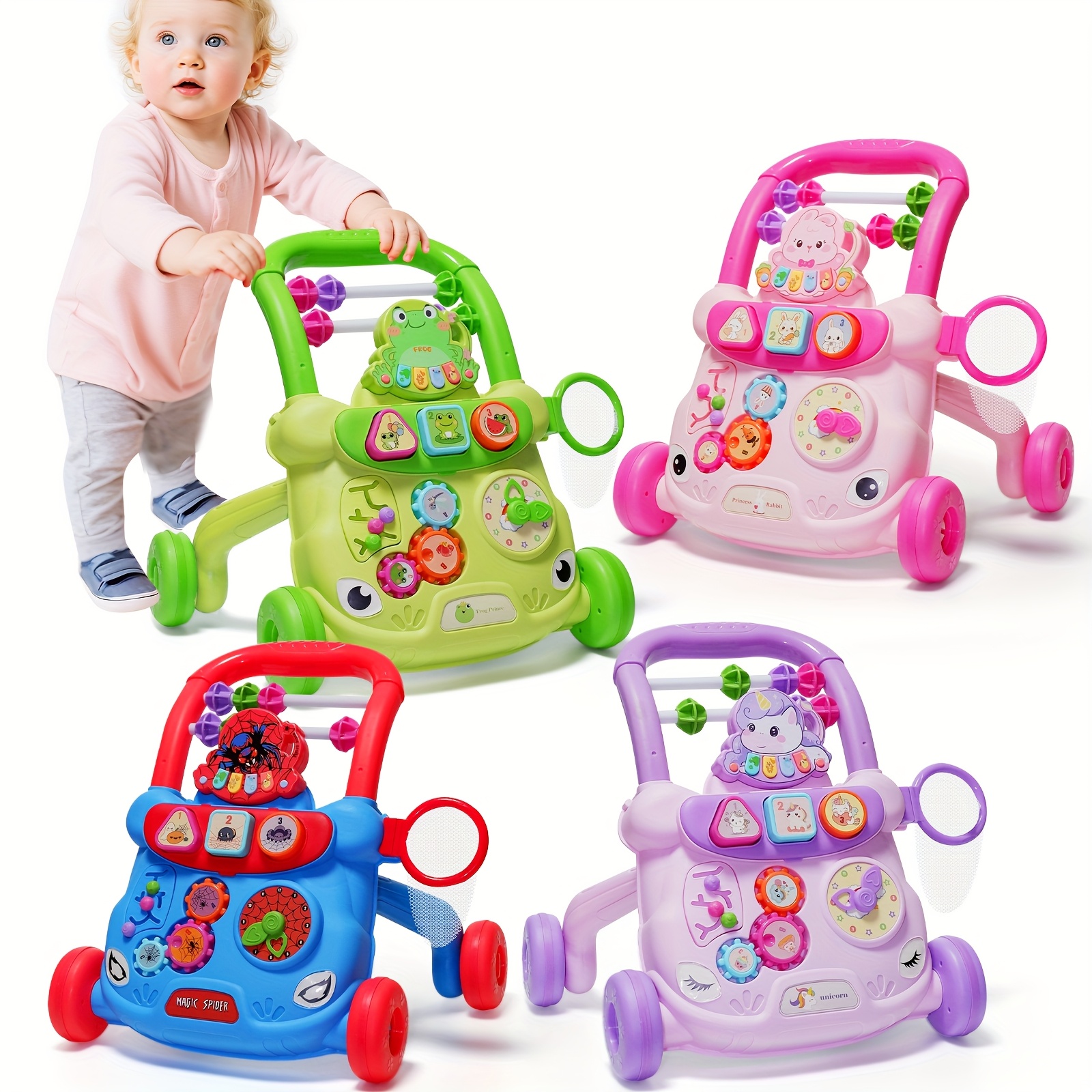
Credit: www.temu.com
Choosing Safe Push Toys
Choosing safe push toys for your baby goes beyond just picking something colorful or trendy. It means carefully checking the toy’s materials and design to avoid hazards. Safety also depends on whether the toy matches your child’s age and developmental stage.
Material And Design
Look for push toys made from non-toxic, BPA-free materials. Babies often put toys in their mouths, so avoid paints or finishes that could be harmful. Solid construction matters too—loose parts or sharp edges can cause injuries.
Consider the weight of the toy. It should be sturdy enough to support your baby but light enough to push without frustration. My nephew’s push toy was too heavy at first, and he quickly lost interest. Finding the right balance helped him gain confidence and enjoy playtime.
Age Appropriateness
Check the manufacturer’s recommended age before buying. Push toys designed for older toddlers might be too big or complex for younger babies. On the other hand, a toy that’s too simple may not provide enough challenge to encourage walking and coordination.
Does the toy have adjustable features that grow with your child? Some push toys offer height adjustments or removable parts to keep pace with developmental milestones. This flexibility can save you money and keep your baby engaged longer.
Frequently Asked Questions
Are Push Toys Safe For Babies To Use?
Push toys are generally safe when supervised. They promote balance and coordination. Always check for sturdy construction and non-toxic materials to ensure safety.
When Should Babies Start Using Push Toys?
Babies can start using push toys around 9-12 months. This is when they begin to stand and take steps with support.
How Do Push Toys Benefit Baby Development?
Push toys improve motor skills, balance, and coordination. They encourage walking practice and build muscle strength, aiding overall physical development.
Can Push Toys Prevent Falls In Babies?
Push toys help babies gain confidence and stability. While they reduce fall risk, supervision is essential to prevent accidents.
Conclusion
Push toys help babies learn to walk and balance. They make moving fun and build confidence. Babies also develop muscles and coordination by pushing toys. Parents can choose safe, sturdy toys for best results. Watching babies explore with push toys brings joy.
These toys support early growth in a simple way. Giving babies push toys encourages active play every day. A small step that helps big learning.