
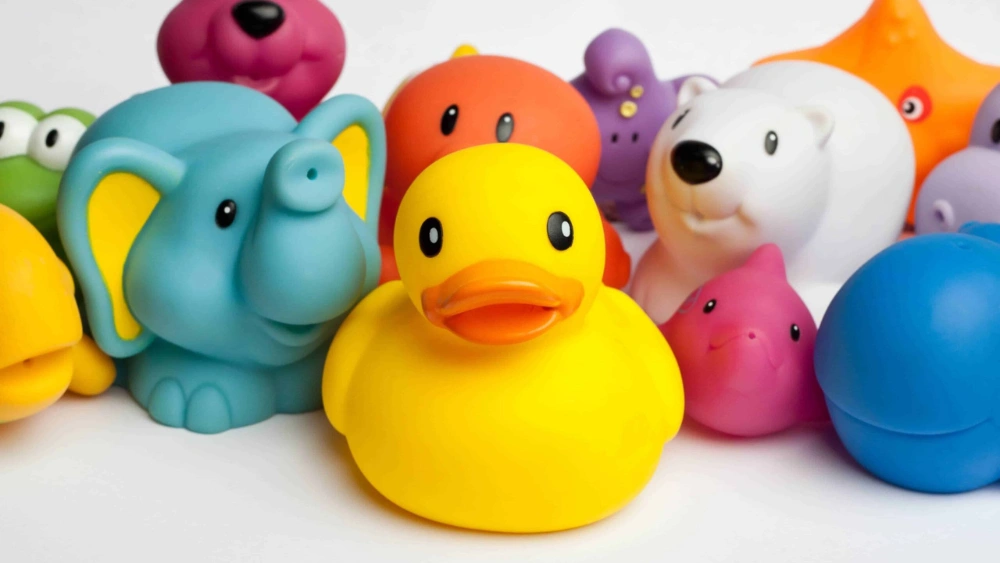
Are you a parent or guardian wondering if those colorful plastic toys are safe for your little one? You’re not alone.
Many parents share the same concern, especially with the growing awareness of chemicals and toxins in everyday products. Your baby’s health and safety are your top priorities, and it’s important to know what you’re exposing them to during playtime. Imagine the peace of mind you’ll feel, knowing that each toy in your child’s hand is free from harmful substances.
We will explore the safety of plastic toys for babies, helping you make informed decisions that protect your child’s well-being. Stick around to discover the facts, dispel myths, and gain practical tips for choosing the safest toys for your baby.

Credit: www.amazon.com
Risks Of Plastic Toys
Plastic toys are everywhere, but their safety for babies isn’t always clear. It’s important to understand the risks these toys might carry. Knowing what to watch for can help you make smarter choices for your child’s playtime.
Chemical Exposure
Many plastic toys contain chemicals like BPA, phthalates, or lead, which can be harmful to babies. These substances might leach out, especially when the toys are chewed or sucked on. Have you ever noticed your baby putting a plastic toy straight into their mouth? That’s when chemical exposure becomes a real concern.
Look for toys labeled BPA-free or those that meet strict safety standards. Washing new toys before giving them to your baby can reduce surface chemicals. But remember, not all chemicals are visible or easy to detect.
Choking Hazards
Small parts or poorly made plastic toys can break easily, creating choking risks. Babies explore by putting objects in their mouths, so even a tiny piece can be dangerous. Think about the last time you found a broken toy on the floor—could your baby reach it?
- Check for toys with securely attached parts.
- Avoid toys with small detachable pieces for infants under three years old.
- Regularly inspect toys for cracks or damage.
Choosing age-appropriate toys and staying vigilant can prevent scary accidents. Are you confident that your baby’s toys are safe from these hidden risks?
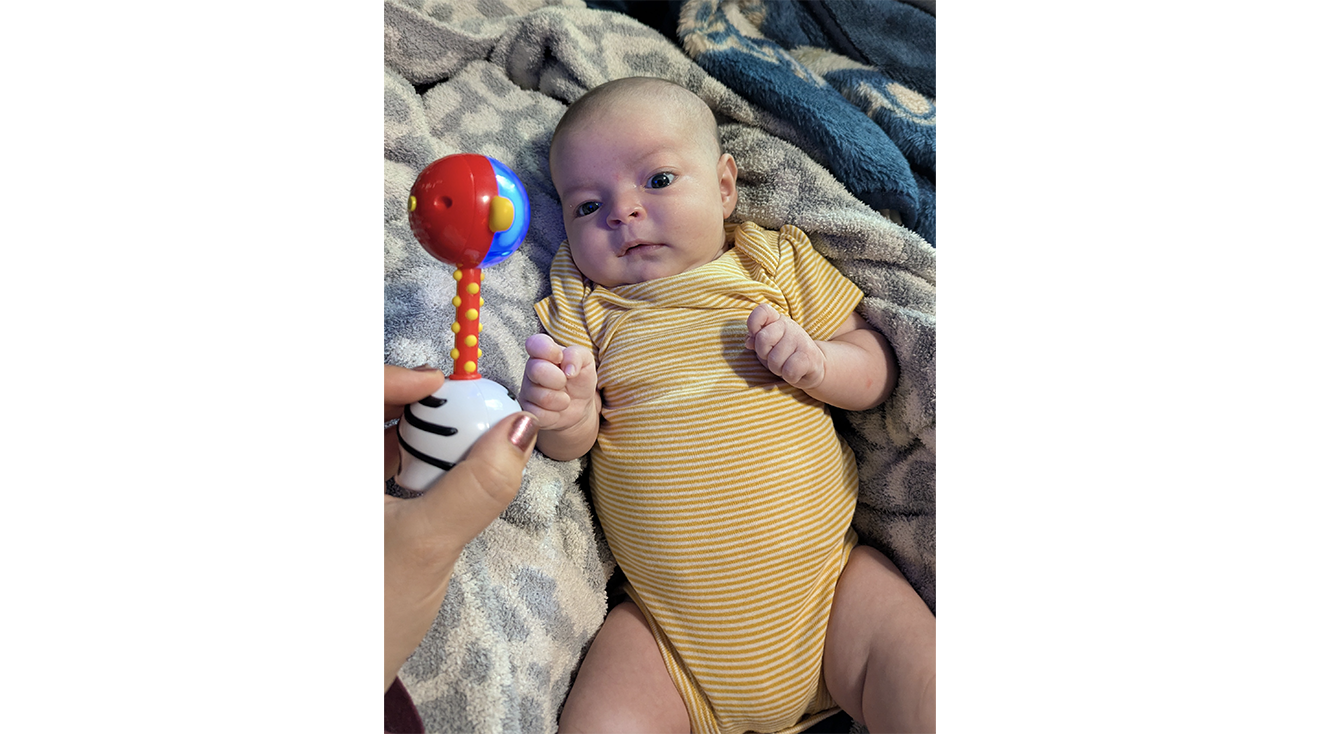
Credit: www.thebump.com
Safe Materials For Baby Toys
Choosing the right materials for baby toys matters more than you might think. Babies explore the world through touch and taste, which means the materials must be safe and free from harmful chemicals. Understanding what makes a toy safe can help you make smarter choices for your little one’s health and happiness.
Non-toxic Plastics
Not all plastics are created equal, especially when it comes to baby toys. Look for toys made from non-toxic plasticslike BPA-free, phthalate-free, and PVC-free materials. These plastics don’t release harmful chemicals, even when chewed or sucked on.
Many trusted brands now label their products clearly, so you can spot safe plastics easily. Have you checked the labels on your baby’s toys lately? It’s a quick way to avoid dangerous substances without compromising on fun.
Organic Alternatives
Organic baby toys offer a different kind of safety—they’re made from natural materials like untreated wood, organic cotton, or natural rubber. These toys reduce exposure to synthetic chemicals and often have a softer, more natural feel.
For example, wooden blocks made from sustainably sourced wood are durable and chemical-free. Organic cotton stuffed animals provide softness without synthetic dyes or pesticides. Why not try a few organic options and see how your baby reacts? You might find these toys become favorites for both comfort and peace of mind.
Regulations And Standards
Understanding the regulations and standards behind plastic toys is crucial for any parent concerned about their baby’s safety. These rules are designed to minimize risks like choking hazards, toxic chemicals, and other dangers. They give you a clearer picture of what makes a toy safe and trustworthy.
Certification Marks
Certification marks on toys act like badges of trust. Look for labels such as ASTM F963in the US, CEmarking in Europe, or EN71standards. These marks show the toy has passed specific safety requirements.
Ever noticed the “BPA-free” label? That’s another important certification indicating the plastic won’t release harmful chemicals. Checking for these marks before buying can save you from unwanted risks.
Testing Procedures
Toys undergo strict testing before they reach the shelves. These tests check for choking hazards by measuring small parts, ensure non-toxicity by analyzing chemical content, and test durability under stress.
For example, manufacturers simulate chewing and biting to confirm the toy won’t break into dangerous pieces. They also test for heavy metals like lead and phthalates, which can harm your baby’s development.
Have you ever wondered how a toy stands up to your baby’s curiosity? These tests make sure the toy remains safe even when drooled on, bitten, or thrown. It’s a relief knowing there’s a safety net behind every plastic toy you bring home.
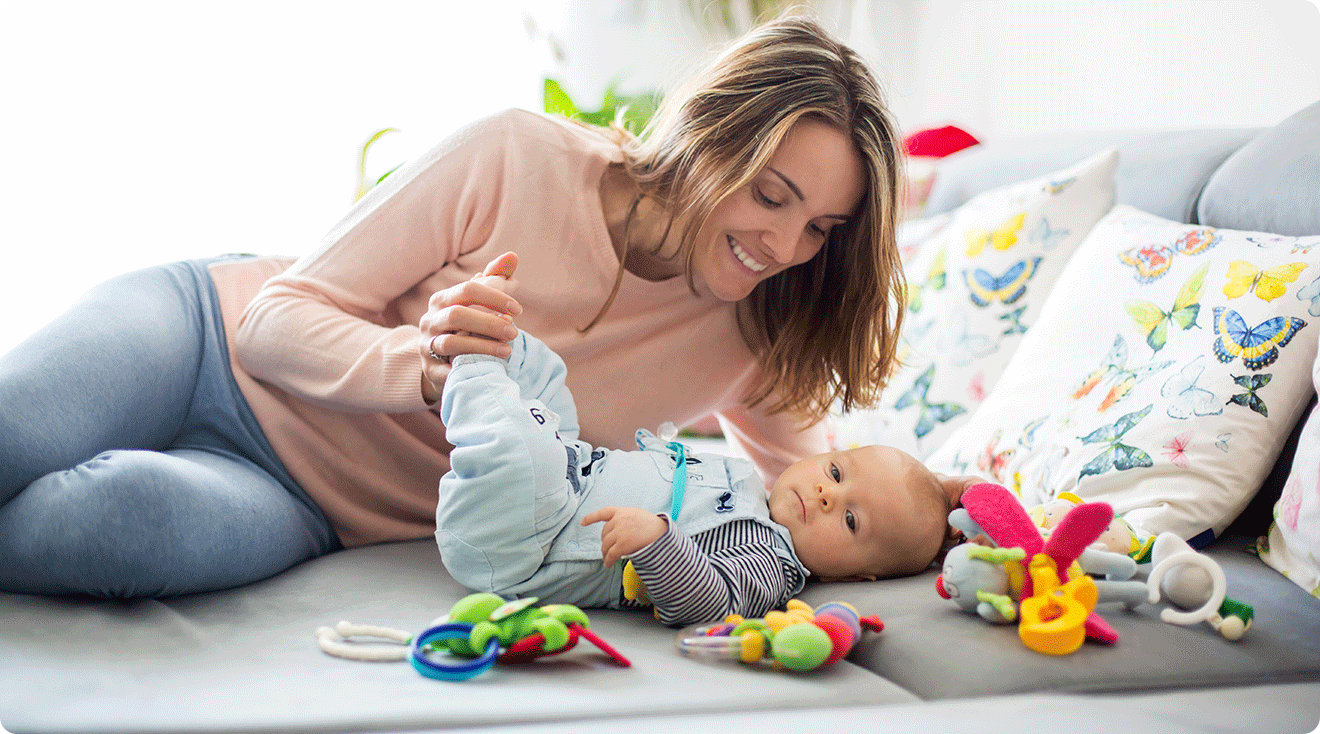
Credit: www.thebump.com
Tips For Choosing Safe Toys
Choosing safe toys for babies is crucial to protect their health and happiness. Parents must focus on key aspects that ensure safety and suitability. Simple checks can prevent choking hazards and exposure to harmful materials. Understanding these tips helps make better choices for your child’s playtime.
Age Appropriateness
Select toys designed for your baby’s exact age group. Age recommendations on packaging guide safe play. Toys too advanced may have small parts that cause choking. Toys meant for younger babies often have smooth edges and no detachable pieces. Always follow the age guidelines to avoid risks.
Inspecting For Damage
Check toys carefully before giving them to your baby. Look for cracks, loose parts, or sharp edges. Damaged toys can hurt your child or break easily. Remove any broken pieces immediately to prevent swallowing. Regularly inspect toys to keep playtime safe and fun.
Frequently Asked Questions
Are Plastic Toys Safe For Newborn Babies?
Plastic toys can be safe if they are BPA-free and non-toxic. Always check for safety certifications before buying. Avoid toys with small parts that pose choking hazards for newborns.
How To Identify Safe Plastic Toys For Babies?
Look for labels stating “BPA-free,” “phthalate-free,” and compliance with safety standards. Choose toys made from non-toxic, durable materials. Avoid toys with sharp edges or loose parts.
Can Plastic Toys Cause Allergies In Babies?
Some plastic toys may contain allergens or harmful chemicals. Choose hypoallergenic and non-toxic materials to minimize risks. Always monitor your baby for any allergic reactions after play.
Are Chewable Plastic Toys Safe For Teething Babies?
Yes, if they are specifically designed for teething and made from safe, BPA-free materials. Ensure the toy is soft, durable, and easy to clean to avoid germs.
Conclusion
Plastic toys can be safe if chosen with care. Always check labels for non-toxic materials. Avoid toys with small parts that babies can swallow. Clean toys regularly to keep germs away. Watch your baby while they play to prevent accidents.
Safety matters most for your child’s health. Choose trusted brands and read reviews first. Simple steps keep playtime fun and safe. Your baby deserves the best and safest toys. Stay informed and protect your little one every day.