

Have you ever wondered if jigsaw puzzles are more than just a fun pastime? Are they possibly sensory toys that can benefit your mind and well-being?
You’re not alone in this curiosity. Many people are discovering how these intriguing puzzles can engage your senses in surprising ways. Imagine a world where each piece you fit together not only satisfies your love for challenge but also offers a soothing experience.
Could it be that your next puzzle holds more potential than just a completed picture? Stick around as we explore the fascinating link between jigsaw puzzles and sensory stimulation, and uncover what this means for you and your puzzle-loving friends.
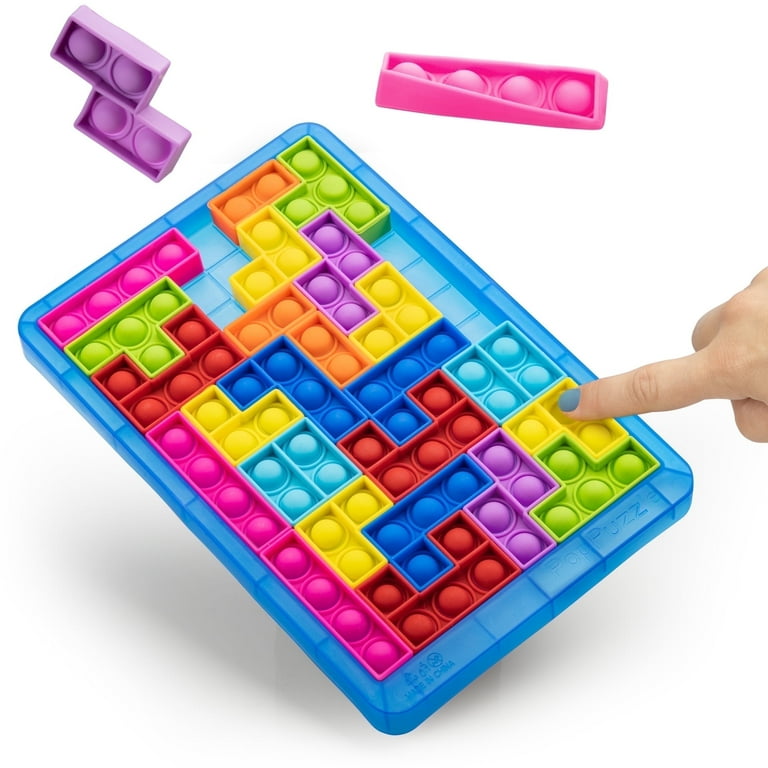
Credit: www.walmart.com
Jigsaw Puzzles And Sensory Play
Jigsaw puzzles offer more than just a fun pastime. They provide rich sensory experiences that engage multiple senses. These puzzles support sensory play by stimulating touch and sight. Sensory play helps improve focus, coordination, and problem-solving skills. Understanding how jigsaw puzzles act as sensory toys shows their value beyond entertainment.
Tactile Engagement
Jigsaw puzzles encourage hands-on interaction. The feel of puzzle pieces varies by material and texture. This tactile input helps develop fine motor skills. Children and adults both benefit from the sensory feedback. Handling pieces requires grip, pressure, and movement control. These actions strengthen hand muscles and coordination. Puzzle assembly promotes active touch exploration.
Visual Stimulation
Jigsaw puzzles challenge the eyes and brain. Bright colors, patterns, and images draw attention. Visual scanning helps identify matching edges and shapes. This process sharpens observation and spatial awareness. Puzzles improve visual memory as pieces are recalled and placed. The dynamic visual input keeps the brain alert and engaged. Completing a picture provides satisfying visual closure.

Credit: www.sensorysouk.com
Cognitive Benefits Of Jigsaw Puzzles
Jigsaw puzzles do more than just keep you entertained—they actively engage your brain in ways that can sharpen your thinking and mental agility. As you work on fitting pieces together, your brain is busy making connections, recognizing patterns, and planning ahead. These activities contribute directly to your cognitive development and mental fitness.
Problem-solving Skills
Each puzzle piece presents a challenge. You must figure out where it fits by analyzing its shape, color, and pattern.
This process trains your brain to approach problems systematically. You learn to test different options, discard wrong choices, and develop strategies to complete the bigger picture.
Have you ever noticed how solving puzzles improves your patience and persistence? These qualities transfer well to everyday challenges, making you more effective at finding solutions in real life.
Memory Improvement
Working on jigsaw puzzles requires you to remember which pieces you’ve tried and where certain patterns appear. This constant recall is a workout for your short-term memory.
Over time, this practice can strengthen your ability to retain and retrieve information. It’s like giving your memory a gentle but consistent boost.
Try to observe how often you recall previous attempts or piece locations as you puzzle. This habit of memory use can enhance your focus and concentration in other tasks too.
Emotional And Social Advantages
Jigsaw puzzles are more than just a pastime; they offer meaningful emotional and social benefits that can enhance your well-being. Engaging with puzzles can help you manage stress and improve how you connect with others. These advantages make puzzles valuable sensory toys that support both your mind and relationships.
Stress Relief
Completing a jigsaw puzzle demands focus, which helps divert your mind from worries and anxieties. This shift in attention acts like a mental break, reducing stress levels effectively.
When you’re absorbed in fitting pieces together, your brain releases dopamine, a chemical that boosts mood and motivation. Have you noticed how spending just 20 minutes on a puzzle can calm your thoughts and make you feel more relaxed?
Teamwork And Communication
Working on puzzles with others encourages cooperation and shared problem-solving. You naturally practice clear communication as you discuss strategies and piece placement.
This collaborative effort can strengthen bonds, whether with family, friends, or colleagues. Imagine the satisfaction of completing a challenging puzzle together—you build patience, listen actively, and celebrate small victories as a team.

Credit: www.amazon.com
Choosing The Right Puzzle As A Sensory Toy
Choosing the right jigsaw puzzle as a sensory toy enhances learning and play. The ideal puzzle matches the child’s developmental needs and sensory preferences. It should offer a balance of challenge and comfort. Thoughtful selection creates a positive sensory experience that supports growth.
Age-appropriate Options
Select puzzles that suit the child’s age and skill level. Younger children need larger pieces for easy handling. Simple images help them recognize shapes and colors. Older kids enjoy puzzles with more pieces and complex designs. Age-appropriate puzzles reduce frustration and build confidence.
Material And Texture Considerations
Materials affect the sensory benefits of a puzzle. Wood puzzles offer a natural, smooth feel that many enjoy. Foam puzzles provide a soft, lightweight touch. Textured puzzles add variety with raised or bumpy surfaces. Choose safe, non-toxic materials to ensure health and comfort.
Frequently Asked Questions
Are Jigsaw Puzzles Considered Sensory Toys?
Yes, jigsaw puzzles are sensory toys because they engage touch, sight, and problem-solving skills. They enhance fine motor skills and hand-eye coordination, making them great for sensory development.
How Do Jigsaw Puzzles Benefit Sensory Development?
Jigsaw puzzles stimulate multiple senses, improving tactile perception and spatial awareness. They also promote concentration, memory, and cognitive skills through visual and tactile interaction.
Can Jigsaw Puzzles Help Children With Sensory Processing?
Absolutely. Jigsaw puzzles offer structured sensory input, aiding children with sensory processing challenges. They provide calming effects and improve focus and sensory integration.
What Age Group Benefits Most From Jigsaw Puzzles?
Jigsaw puzzles benefit all ages but are especially helpful for children aged 3 and up. They grow with skill levels, supporting developmental milestones and sensory learning.
Conclusion
Jigsaw puzzles offer more than fun and challenge. They engage the senses through touch, sight, and focus. This makes them useful as sensory toys for many people. Puzzles help improve hand-eye coordination and fine motor skills. They also encourage problem-solving and patience.
Many find puzzles calming and good for mental health. So, puzzles can support sensory development in a simple way. Try adding puzzles to your sensory play collection. They fit well for all ages and abilities. A quiet, focused activity that feels rewarding.