

As a parent, you want the very best for your baby. Toys play a crucial role in your little one’s development, but have you ever wondered about those bright, flashing lights on some of them?
You might think they capture your baby’s attention, but are they actually beneficial or could they be harmful? Understanding the impact of flashing lights on toys is essential for making informed choices. We’ll uncover the truth about these eye-catching features and how they affect your baby’s development.
Stay with us to ensure you’re making the best decisions for your child’s health and growth.
Impact Of Flashing Lights On Baby’s Eyes
Flashing lights on toys catch babies’ attention quickly. Their bright and changing colors can seem fun and exciting. But these lights may affect a baby’s eyes in different ways. Babies’ eyes are still developing and can be sensitive to bright or flickering lights. This sensitivity might cause discomfort or other issues.
Understanding how flashing lights impact a baby’s eyes helps parents choose safe toys. It also helps protect babies from possible eye strain or damage. Watching how a baby reacts to such toys is very important.
How Flashing Lights Affect Developing Eyes
Babies’ eyes are fragile and still growing. Bright flashing lights can strain their eyes easily. Their pupils and retina are more sensitive than adults’. Continuous exposure to flashing lights may cause tiredness or irritation.
Rapid changes in light can confuse a baby’s visual system. This confusion might lead to fussiness or rubbing of the eyes. Prolonged exposure could delay normal eye development in some cases.
Possible Risks Of Too Much Exposure
- Eye strain and discomfort
- Increased risk of headaches
- Potential trigger for seizures in sensitive babies
- Disruption in sleep patterns due to overstimulation
Babies with certain health conditions, such as epilepsy, face higher risks. Flashing lights may provoke seizures in these cases. It is better to avoid such toys or seek medical advice.
Signs Your Baby May Be Affected
- Excessive eye rubbing or blinking
- Fussiness or crying near flashing toys
- Turning away from the toy or closing eyes
- Changes in sleep or feeding patterns
Noticing these signs means it is time to limit exposure. Switching to toys with softer, steady lights helps protect your baby’s eyes.

Credit: www.walmart.com
Effects On Baby’s Sleep Patterns
Flashing lights on toys can affect a baby’s sleep. Babies need calm and quiet to rest well. Bright, blinking lights might keep babies awake or make it hard to fall asleep. These lights can confuse their natural sleep rhythms.
The brain reacts to light by staying alert. Flashing lights send signals that it is daytime. This can delay the production of melatonin, the hormone that helps babies sleep. As a result, babies may have trouble feeling sleepy at bedtime.
Exposure to flashing lights before sleep can cause restless nights. Babies might wake up more often or have shorter sleep periods. Poor sleep can affect their mood and development.
How Flashing Lights Disrupt Melatonin Production
Melatonin controls the sleep-wake cycle. Bright or flashing lights lower melatonin levels. This delay makes it harder for babies to fall asleep and stay asleep.
Impact On Baby’s Sleep Quality And Duration
Flashing lights can cause lighter sleep stages. Babies may wake up frequently during the night. This reduces total sleep time and lowers sleep quality.
Signs Of Sleep Disturbance From Toy Lights
- Difficulty falling asleep
- Frequent waking at night
- Increased fussiness or irritability
- Restless or short naps
Tips To Protect Baby’s Sleep From Flashing Lights
- Turn off flashing toys at least one hour before bedtime
- Use soft, dim night lights instead
- Create a quiet, dark sleep environment
- Choose toys without bright, blinking lights for evening play
Potential Behavioral Concerns
Babies are curious and easily drawn to bright, flashing lights on toys. These lights can capture their attention quickly. Yet, there are potential behavioral concerns linked to frequent exposure to flashing lights. Understanding these concerns helps parents make better choices for their child’s development.
Flashing lights can sometimes overstimulate a baby’s senses. Overstimulation may cause fussiness or trouble calming down. Some babies may become dependent on the lights for entertainment, which can affect their ability to focus on other activities.
Constant exposure to flashing lights might also impact sleep patterns. Babies need quiet and calm to rest well. Bright, flashing stimuli before bedtime can make it harder for them to fall asleep or stay asleep.
Impact On Attention Span
Flashing lights provide instant stimulation. Babies may start expecting constant excitement. This can reduce their ability to pay attention to quieter, slower activities. Over time, this may affect their focus and learning skills.
Risk Of Sensory Overload
Babies process new experiences carefully. Too much flashing light can overwhelm their senses. Sensory overload can lead to irritability or withdrawal. It may also cause difficulty in processing other sensory inputs.
Possible Sleep Disruptions
Bright, flashing lights can interfere with melatonin production. Melatonin helps regulate sleep cycles. Exposure to these lights close to bedtime may cause restless nights. Poor sleep affects mood and development.
Encouragement Of Passive Play
Toys with flashing lights often require little effort from babies. This may encourage passive play rather than active exploration. Active play is important for motor skills and creativity. Dependence on flashing lights can limit this growth.

Credit: tumama-kids.com
Safe Alternatives For Baby Toys
Choosing safe toys for babies is very important. Toys with flashing lights can sometimes be too bright and fast. They might cause discomfort or even affect a baby’s developing eyesight. Parents want toys that entertain without risks. Many safe and fun options exist without flashing lights.
Safe alternatives focus on sensory development and gentle stimulation. These toys support learning and exploration in a calm way. Babies can enjoy textures, sounds, and colors without harsh lights. Below are some great choices for safer baby toys.
Soft Plush Toys With Different Textures
Soft plush toys feel gentle on baby’s skin. Various textures on the toy help improve touch sense. Babies can explore by squeezing and holding. These toys provide comfort and safe playtime.
Board Books With Bright, Simple Pictures
Board books are perfect for early learning. Bright colors and simple images attract attention. They help with visual skills and language growth. Babies enjoy turning pages and looking at pictures safely.
Musical Toys With Gentle Sounds
Toys that play soft music or nature sounds calm babies. Sounds should be quiet and soothing. These toys encourage hearing development and relaxation. Avoid loud or sudden noises.
Stacking And Sorting Toys
Stacking blocks and sorting shapes teach coordination and problem-solving. They come in soft or wooden forms. No flashing lights needed to spark curiosity. Babies learn by touching and moving pieces.
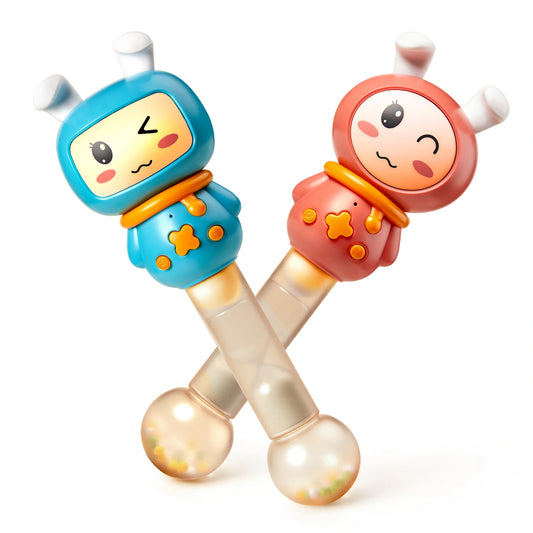
Teething Toys Made From Safe Materials
Teething toys soothe sore gums safely. Look for BPA-free and non-toxic materials. These toys are easy to hold and chew. They keep babies comfortable and entertained without bright lights.
Credit: tumama-kids.com
Frequently Asked Questions
Are Flashing Lights Harmful To Babies’ Eyesight?
Flashing lights can strain babies’ developing eyes if too bright or frequent. Moderation is key to avoiding discomfort or potential vision issues. Choose toys with soft, gentle lights to protect your baby’s eyesight effectively.
Can Flashing Lights Overstimulate A Baby’s Brain?
Yes, flashing lights may overstimulate a baby’s brain, causing fussiness or sleep disturbances. Limiting exposure helps maintain calmness and healthy brain development. Opt for toys with calming light patterns to soothe your baby.
Do Flashing Lights Affect Babies’ Sleep Patterns?
Flashing lights can disrupt babies’ sleep by interfering with melatonin production. Avoid flashing light toys before bedtime to promote better sleep. Soft, dim lights are better suited for nighttime play and rest.
How To Choose Safe Flashing Light Toys For Babies?
Select toys with soft, slow-flashing lights and non-toxic materials. Check safety certifications and avoid overly bright or rapid flashing lights. Prioritize toys designed specifically for infants to ensure safety and comfort.
Conclusion
Flashing lights on toys can both help and harm babies. Bright colors and lights catch their eyes and keep them interested. But too much flashing may cause discomfort or stress. Parents should watch how their babies react to these toys.
Choosing toys with gentle, soft lights is a safer option. Balance is key—mix quiet play with light-up toys. This way, babies enjoy fun without feeling overwhelmed. Safe play supports healthy growth and happy moments. Keep your baby’s comfort and safety the top priority.