

Are you aware of the hidden impact your children’s favorite electronic toys might have on the environment? It’s easy to overlook the environmental footprint of these gadgets when all you see is your child’s joy as they play.
However, electronic toys, once discarded, often become a significant part of the growing e-waste problem. We delve into the surprising ways these seemingly innocent devices contribute to environmental challenges. By understanding the life cycle of electronic toys and their disposal, you can make more informed choices for your family and the planet.
Keep reading to discover how your small actions can lead to a big change in reducing e-waste.
Credit: www.familyhandyman.com
Electronic Toys And E-waste
Electronic toys are everywhere in homes today, capturing the imagination of kids while blending fun with technology. But have you ever stopped to think about what happens to these toys once they break or get replaced? Understanding the connection between electronic toys and e-waste can help you make smarter choices about disposal and recycling.
Definition Of Electronic Toys
Electronic toys are playthings powered by batteries or electricity. They often include features like lights, sounds, or interactive screens that respond to a child’s actions.
Examples include:
- Remote-controlled cars
- Talking dolls
- Electronic learning devices
- Video game consoles designed for kids
These toys combine traditional play with modern technology, making them more engaging but also more complex when it comes to disposal.
E-waste Basics
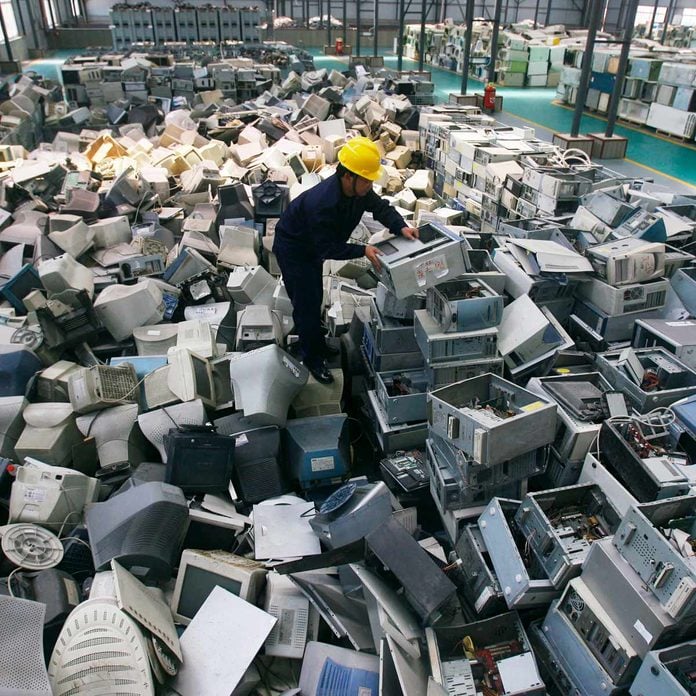
E-waste refers to any discarded electronic devices or components. It’s not just old phones and computers; electronic toys count too.
This waste poses challenges because it often contains hazardous materials like lead, mercury, and cadmium. If thrown in regular trash, these substances can harm the environment and human health.
Recycling e-waste properly recovers valuable metals and reduces pollution. But do you know where to take your broken electronic toys? Finding local e-waste collection points or donation centers can be a good start.
Credit: www.sesotec.com
Materials In Electronic Toys
Electronic toys contain many types of materials. These materials affect how toys work and how they impact the environment. Understanding these materials helps us see if electronic toys become e-waste. Some parts are safe, while others can be harmful. Knowing what is inside helps with recycling and disposal.
Common Hazardous Components
Many electronic toys have small batteries. These batteries often contain lead, mercury, or cadmium. These metals can poison soil and water if thrown away carelessly. Circuit boards inside toys may contain brominated flame retardants. These chemicals are harmful to health and nature. Plastics used in toys sometimes have toxic additives. These parts make toys hazardous after their use ends.
Recyclability Challenges
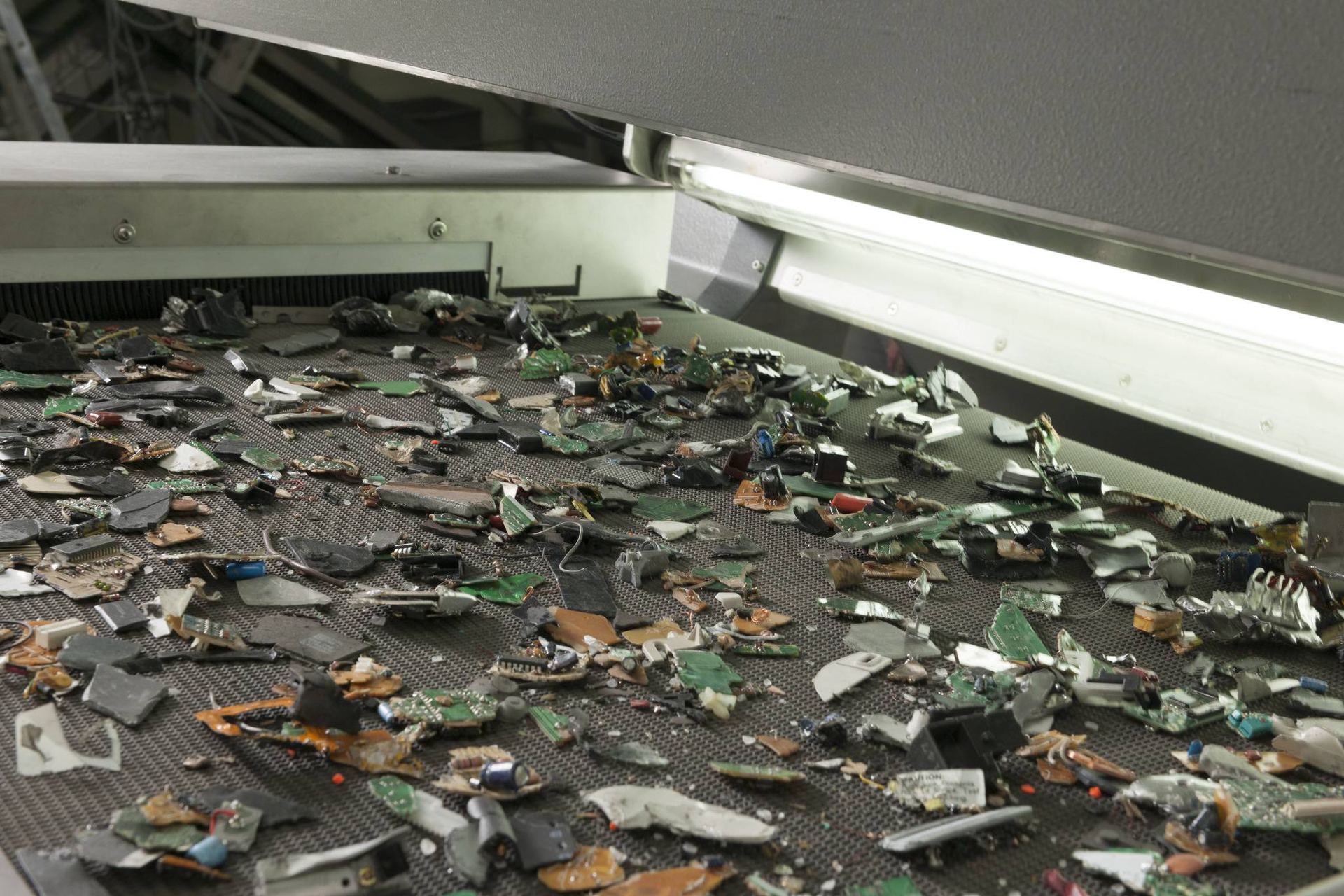
Recycling electronic toys is not simple. Toys mix plastics, metals, and electronic parts tightly. Separating these materials requires special tools and knowledge. Some plastics used are hard to recycle or reuse. Small parts and batteries create safety risks during recycling. Many recycling centers do not accept electronic toys. This leads to more toys ending up in landfills or being burned.
Environmental Impact
Electronic toys have become a staple in many households, but their environmental impact often goes unnoticed. These gadgets contain materials that can harm the planet if not disposed of properly. Understanding how electronic toys contribute to environmental damage helps you make better choices for your family and the earth.
Toxic Chemicals Release
Electronic toys contain chemicals like lead, mercury, and cadmium. When these toys break or are thrown away carelessly, these toxic substances can leak into the soil and water. This contamination can poison drinking water sources and affect the health of communities around landfills.
Have you ever thought about what happens when a broken electronic toy ends up in the trash? Instead of simply disappearing, it releases harmful chemicals that linger in the environment for years. You can reduce this risk by recycling or donating toys that still work.
Effects On Wildlife And Ecosystems
Wildlife suffers when electronic waste enters natural habitats. Animals might ingest small parts or chemicals, which can cause injury, illness, or death. Ecosystems become unbalanced when key species are affected, leading to broader environmental issues.
Imagine a bird mistaking a tiny circuit board for food. This small mistake can lead to serious health problems for that animal. You have the power to protect wildlife by properly disposing of electronic toys and supporting recycling programs.
Reducing E-waste From Toys
Electronic toys bring joy to children but also contribute significantly to e-waste. Reducing this waste is essential to protect our environment and conserve resources. You can make a difference by choosing smart options and handling old toys responsibly.
Eco-friendly Alternatives
Switching to eco-friendly toys can cut down e-waste drastically. Look for toys made from sustainable materials like wood or recycled plastics instead of electronic components. Brands now offer solar-powered or battery-free toys that still entertain without harming the planet.
Consider buying second-hand or vintage toys to extend their life cycle. This not only saves money but also keeps toys out of landfills longer. Have you ever thought about how many toys your child uses only briefly before discarding?
Proper Disposal Methods
When electronic toys reach the end of their life, disposing of them properly matters. Many communities have e-waste recycling programs where you can drop off old toys safely. Avoid throwing them in regular trash to prevent toxic materials from polluting soil and water.
You can also donate working electronic toys to charities or schools to give them a second chance. Repairing broken toys instead of replacing them is another smart way to reduce waste. What steps do you take to ensure your old toys don’t harm the environment?
Credit: www.theguardian.com
Frequently Asked Questions
What Defines Electronic Toys As E-waste?
Electronic toys become e-waste when discarded or no longer usable. They contain circuits and batteries that can harm the environment if not recycled properly.
Why Are Electronic Toys Considered Harmful E-waste?
Electronic toys have metals and chemicals that pollute soil and water. Improper disposal leads to toxic leaks, posing health risks to humans and wildlife.
How Can I Recycle Electronic Toys Safely?
Many local recycling centers accept electronic toys. Remove batteries first and check with facilities for specific disposal guidelines to ensure safe recycling.
Are Electronic Toys Biodegradable Or Environmentally Friendly?
Most electronic toys are not biodegradable. They contain plastics and metals that take years to break down, contributing to long-term environmental pollution.
Conclusion
Electronic toys can easily become e-waste if not handled well. They contain materials that harm the earth. Recycling and reusing parts help reduce this waste. Choosing durable toys also lowers e-waste problems. Small actions by everyone make a big difference.
Protect the planet by caring for old toys. Think twice before throwing them away. Simple steps today lead to a cleaner tomorrow.