

Are you a parent or caregiver wondering if crochet toys are safe for your baby? You’re not alone.
Many parents are drawn to the charm and handmade feel of crochet toys, but safety is a top priority when it comes to your little one. We’ll explore the safety aspects of crochet toys for babies. You’ll discover what to look for, how to ensure these toys are safe, and why they might just be the perfect addition to your baby’s toy collection.
Keep reading to find out everything you need to know to make the best choice for your child’s playtime.
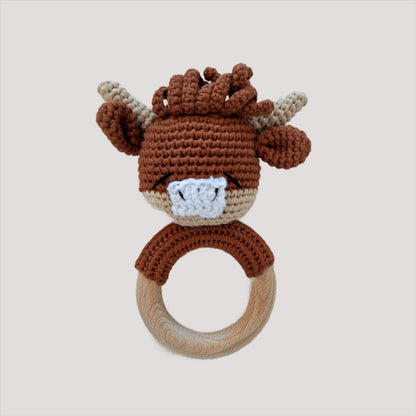
Credit: www.hempdreams.co
Materials To Choose
Choosing the right materials for crochet toys is crucial when making something safe for babies. Every part of the toy, from yarn to stuffing, affects how safe and comfortable it will be for your little one. Let’s look at the best options that keep safety and softness in mind.
Baby-safe Yarns
Opt for yarns that are soft, hypoallergenic, and free from harmful dyes. Organic cotton yarn is a favorite because it’s gentle on sensitive skin and easy to wash. Acrylic yarns can be safe too, but make sure they are labeled non-toxic and baby-friendly.
Have you checked if the yarn is certified by any safety standard? Certifications like OEKO-TEX or GOTS give extra peace of mind about the yarn’s safety. Avoid yarns that shed fibers easily, as loose threads could pose a choking hazard.
Non-toxic Fillings
The stuffing inside the toy must be non-toxic and firm enough to hold its shape but soft enough to be cuddly. Polyester fiberfill is a common choice because it’s washable and hypoallergenic. Just be sure to buy from a reputable source that guarantees safety.
Natural fillings like wool or cotton are alternatives, but they may cause allergies in some babies and can be harder to clean. Consider how you will wash the toy and the potential risks if the filling leaks out. Do you know what’s inside your baby’s favorite crochet toy?
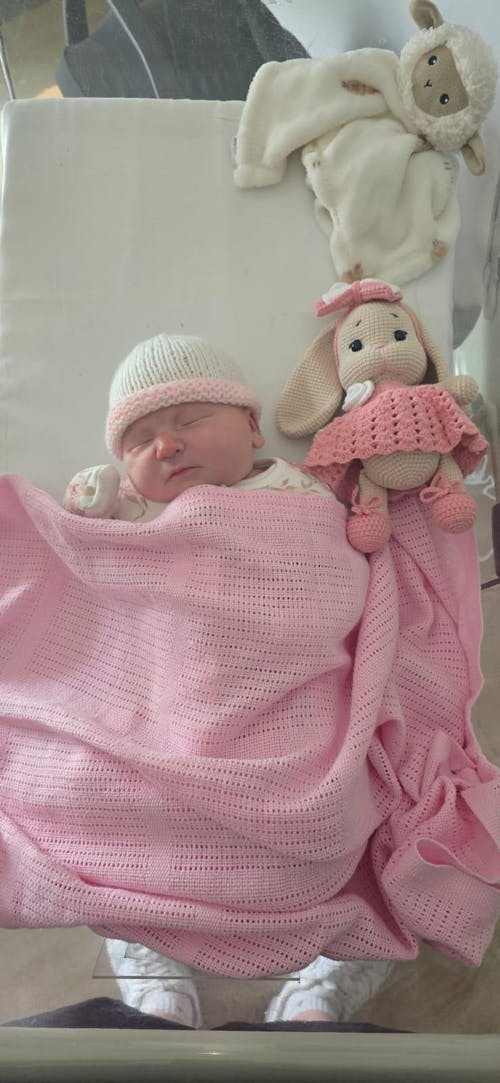
Credit: joygiftlondon.com
Avoiding Small Parts
When choosing crochet toys for babies, avoiding small parts is essential for safety. Small pieces like buttons or eyes can easily come loose and pose choking hazards. Ensuring every detail is securely attached gives you peace of mind and keeps your baby safe while playing.
Secure Eyes And Buttons
Plastic eyes and buttons often look cute but can be risky if not fastened properly. Instead of using glue or simple stitches, try sewing them tightly with multiple passes of thread. Consider safety eyes that lock in place or opt for embroidered eyes to eliminate any risk entirely.
Have you noticed how some toys lose their eyes after a few washes? That’s a clear sign that safety wasn’t prioritized. You want your crochet toy to withstand tugging and chewing without parts falling off.
Safe Embroidery Techniques
Embroidery offers a safe alternative for adding facial features or decorations. Use strong, durable thread and secure knots to prevent unraveling. Techniques like satin stitch or backstitch create smooth, tight designs that babies can’t pull apart.
Try to keep embroidered parts flat and avoid loose ends. This way, your baby won’t have any tiny threads to grab or swallow. Have you tried using embroidery on your crochet projects before? It could be the safest way to add personality without risk.
Proper Cleaning Methods
Keeping crochet toys clean is essential to ensure they remain safe and hygienic for your baby. Dirt, dust, and germs can easily accumulate on soft toys, so knowing the right way to clean them helps protect your little one from harmful bacteria and allergens. Proper cleaning methods also keep the toy’s colors bright and the yarn in good condition.
Washing Instructions
Most crochet toys can be gently hand washed to avoid damage. Use lukewarm water and mild baby-friendly detergent to prevent irritating your baby’s sensitive skin.
- Fill a basin with lukewarm water and add a small amount of gentle detergent.
- Submerge the toy and gently squeeze it without wringing or twisting.
- Rinse thoroughly to remove all soap residue.
If the toy is machine washable, place it inside a mesh laundry bag to protect the stitches. Use a delicate cycle with cold water and mild detergent only. Avoid using bleach or fabric softeners, as they can break down the fibers.
Drying And Storage Tips
After washing, drying crochet toys properly is key to preventing mold and mildew. Lay the toy flat on a clean towel and gently press to remove excess water.
- Avoid hanging the toy to dry as this can stretch the yarn out of shape.
- Keep it out of direct sunlight to prevent colors from fading.
- Make sure the toy is completely dry before storing it away.
Store crochet toys in a cool, dry place away from dust and pets. Do you check your baby’s toys regularly for cleanliness? Small efforts in washing and storing can make a big difference in safety and longevity.

Credit: www.amazon.com
Age-appropriate Designs
Age-appropriate designs are essential for crochet toys meant for babies. These designs focus on safety and comfort, ensuring that toys suit the baby’s developmental stage. Thoughtful design reduces risks and supports safe play. Choosing the right size, shape, and materials helps protect babies from potential hazards.
Size And Shape Considerations
Toys should be large enough to prevent swallowing or choking. Rounded edges and smooth surfaces avoid sharp points that could hurt babies. Small parts can be dangerous, so toys must be solid and well-constructed. Soft, cuddly shapes encourage safe handling and sensory exploration.
Avoiding Choking Hazards
Loose buttons, beads, or small decorations can detach and cause choking. Crochet toys should have securely sewn features or embroidered details instead. Avoid parts that can come off with pulling or chewing. Testing toys by pulling on attachments ensures safety. Using baby-safe yarn and stuffing materials also prevents health risks.
Frequently Asked Questions
Are Crochet Toys Safe For Newborn Babies?
Yes, crochet toys can be safe for newborns if made with non-toxic, hypoallergenic yarn and securely stitched parts. Always avoid small detachable pieces to prevent choking hazards. Regularly inspect the toy for wear and tear to ensure continued safety for your baby.
What Materials Make Crochet Toys Baby-safe?
Baby-safe crochet toys use soft, natural fibers like organic cotton or bamboo yarn. These materials are gentle on baby skin and free from harmful chemicals. Avoid synthetic or rough yarns that may irritate or cause allergies.
How To Clean Crochet Toys For Babies?
Hand wash crochet toys in warm water with mild baby detergent. Avoid bleach or harsh chemicals. Air dry completely before giving the toy back to your baby to prevent mold or bacteria growth.
Can Crochet Toys Pose Choking Hazards?
Yes, crochet toys with small buttons or beads can pose choking risks. Always use embroidered features or securely sewn parts. Regularly check toys to ensure no parts have come loose.
Conclusion
Crochet toys can be safe for babies if made carefully. Choose soft yarns and avoid small parts that can fall off. Always check the toy for loose threads or buttons. Clean toys regularly to keep germs away. Supervise babies while they play to prevent accidents.
Handmade toys bring comfort and joy to little ones. Safety and love go hand in hand with crochet toys. Keep these tips in mind for happy, safe playtimes.