

Are you ready to transform your RC car into a masterpiece that turns heads? Painting an RC car body isn’t just about adding color; it’s about expressing your creativity and making your car uniquely yours.
Maybe you’ve felt the thrill of racing, but now you want your car to reflect your personal style. Imagine the satisfaction of seeing your RC car gleam under the sun, its vibrant colors catching every eye. This guide will walk you through each step of painting your RC car body, offering tips and tricks that even beginners can master.
Whether you’re aiming for a sleek, professional look or a bold, artistic flair, you’ll find everything you need to make your RC car stand out on the track. Dive in and discover how you can bring your vision to life with just a few tools and a splash of paint.
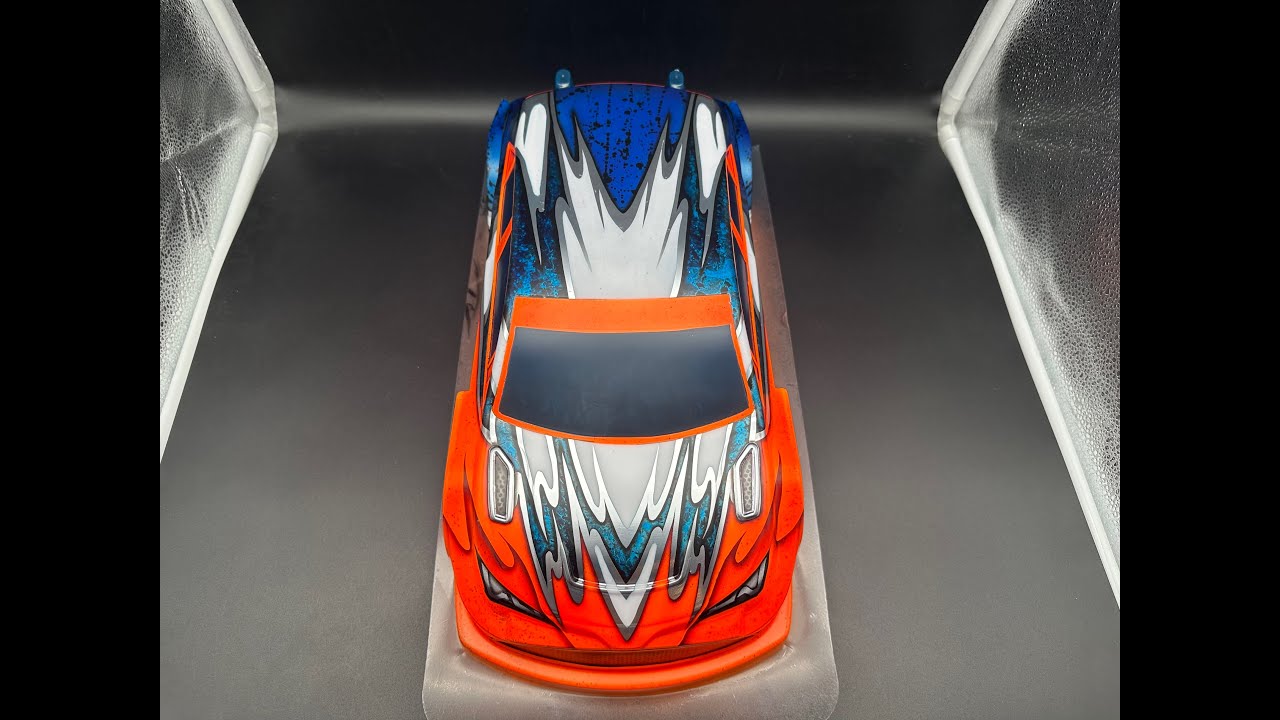
Credit: www.youtube.com
Choosing The Right Materials
Selecting suitable materials ensures a smooth painting process for your RC car body. Opt for high-quality paints and primers that adhere well to plastic surfaces, ensuring vibrant and durable finishes.
Choosing the right materials for painting an RC car body is crucial. The final look and durability depend on it. The right materials can enhance the appearance. They make the car body stand out on the track.Understanding The Types Of Paint
Select paint designed for polycarbonate bodies. Acrylic and enamel are common. These paints adhere well. They resist chips and scratches. Choose the right type for your project.Selecting Quality Brushes And Tools
Good brushes ensure smooth application. Use different sizes for details and broad strokes. Quality brushes prevent streaks. They help in even distribution. Tools like airbrushes can offer precision.Importance Of Primer
Primer prepares the surface. It helps paint stick better. A good primer can enhance the color’s vibrancy. It provides a smooth base. Always choose a primer compatible with your paint.Choosing Masking Tape
Masking tape helps create clean lines. It prevents paint from bleeding. Use tape that sticks well but removes easily. This avoids damage to your design. Look for tape designed for painting projects.Considering Finishing Coats
A finishing coat protects the paint. It adds shine and durability. Choose a clear coat that suits your paint type. It keeps the paint looking new longer. Always apply in thin, even layers.Preparing The Rc Car Body
Painting an RC car body begins with a clean surface. Wash with soapy water and dry thoroughly. Sand lightly for better paint adhesion.
Preparing your RC car body for painting is a crucial step to ensure a professional-looking finish. The preparation process might seem tedious, but it is essential for the paint to adhere properly and for the final result to look sleek and smooth. Imagine the satisfaction of watching your RC car gleam under the sunlight, showcasing your meticulous attention to detail.Cleaning The Car Body
Start by thoroughly cleaning the RC car body. Dust, grease, and fingerprints can prevent the paint from sticking properly. Use warm, soapy water to wash the body, ensuring all dirt and oils are removed. Rinse thoroughly and dry with a lint-free cloth to avoid any fibers sticking to the surface.Sanding For Smoothness
Once clean, gently sand the body to create a smooth surface. Use fine-grit sandpaper, around 400 to 600 grit, to avoid deep scratches. Sanding helps the paint adhere better and ensures an even coat. Remember, patience here pays off. A few extra minutes sanding can make a significant difference in the final look.Masking Off Areas
Decide which areas you want to paint and which to keep clear. Use masking tape to protect areas that should remain untouched. This step is crucial for creating sharp, clean lines and preventing paint from bleeding into unwanted areas. Consider using a high-quality tape to prevent peeling during the painting process.Priming The Surface
Apply a primer to the sanded surface to help the paint stick and enhance its durability. Choose a primer that is compatible with your paint type. Spray an even coat and let it dry completely. Priming not only improves adhesion but also ensures the color pops vividly.Ensuring Proper Ventilation
Finally, make sure you work in a well-ventilated area. Painting can release fumes that are harmful if inhaled. A garage with the door open or an outdoor space is ideal. Safety should always be a top priority when working with paints and chemicals. Preparing the RC car body with care and attention to detail will set the stage for a stunning paint job. Each step is an opportunity to express your creativity and precision. Are you ready to see your RC car transform into a masterpiece?Painting Techniques And Tips
Painting an RC car body requires patience and precision. Clean the surface, and apply a primer for better paint adhesion. Use light, even coats of paint for a smooth finish.
Painting your RC car body is an exciting project. It adds personality and flair to your vehicle. This section explores painting techniques and tips to achieve stunning results. Whether you’re a beginner or experienced, these insights will help your car look fantastic.Surface Preparation
Start by cleaning the car body thoroughly. Use mild soap and water to remove dirt. Let it dry completely before painting.Choosing The Right Paint
Select paint designed for RC car bodies. Acrylic or polycarbonate paints work best. They provide durability and vibrant colors.Applying Primer
Primer helps paint adhere better. Spray a thin, even layer over the surface. Let it dry completely before adding color.Using Spray Paint
Spray paint is popular for RC cars. Shake the can well before use. Hold it about 6 inches from the surface. Apply light, even coats.Hand Painting Techniques
Use brushes for detailed work. Acrylic paints are suitable for hand painting. Apply multiple thin layers for depth and richness.Masking For Designs
Masking tape creates sharp lines and patterns. Apply tape to areas you don’t want painted. Remove it carefully after painting.Drying And Curing
Allow paint to dry between coats. Ensure final curing in a warm, dry place. This prevents smudges and imperfections.Adding Clear Coat
A clear coat adds shine and protection. Spray evenly over the painted surface. Ensure full coverage for a glossy finish.Cleaning Your Tools
Clean brushes and spray nozzles immediately after use. Use warm water for acrylic paints. Proper cleaning extends the life of your tools. Following these tips ensures a professional look for your RC car. Your creativity and patience will pay off with a stunning paint job.
Credit: www.youtube.com

Credit: www.youtube.com
Frequently Asked Questions
What Kind Of Paint Do You Use On An Rc Car Body?
Use acrylic or polycarbonate paint for RC car bodies. These paints offer durability and flexibility. Ensure surfaces are clean before painting to enhance adhesion. Apply thin layers for best results, using a spray can or airbrush for even coverage. Avoid regular spray paints as they may crack or peel.
Can You Use Regular Spray Paint On Rc Car Bodies?
Regular spray paint isn’t ideal for RC car bodies. Use paint specifically designed for polycarbonate. Regular paint can crack and peel off easily. Ensure longevity and proper adhesion with the right type.
Can You Paint The Outside Of A Rc Car Body?
Yes, you can paint the outside of an RC car body. Use hobby-grade spray paint for best results. Ensure surfaces are clean and dry before painting. Apply multiple light coats for even coverage and let each coat dry fully. Protect painted areas with a clear coat for durability.
What Kind Of Paint To Use On Lexan?
Use polycarbonate-specific spray paints for Lexan. They ensure proper adhesion and flexibility. Brands like Tamiya or Pactra offer great options. Clean the Lexan surface before painting for best results. Avoid regular paints as they can crack or peel. Always follow the manufacturer’s instructions for optimal outcomes.
Conclusion
Painting an RC car body offers a fun creative outlet. Choose colors that match your style. Follow steps carefully for a smooth finish. Clean the surface thoroughly before painting. Use primer for better paint adhesion. Apply paint evenly to avoid streaks.
Let each layer dry completely. Protect your design with a clear coat. Enjoy the process and embrace mistakes. Each scratch tells a story. Take pride in your unique creation. Share your painted car with friends. Spark conversations and inspire others.
Painting an RC car body is more than a task. It’s a chance to express your creativity.