
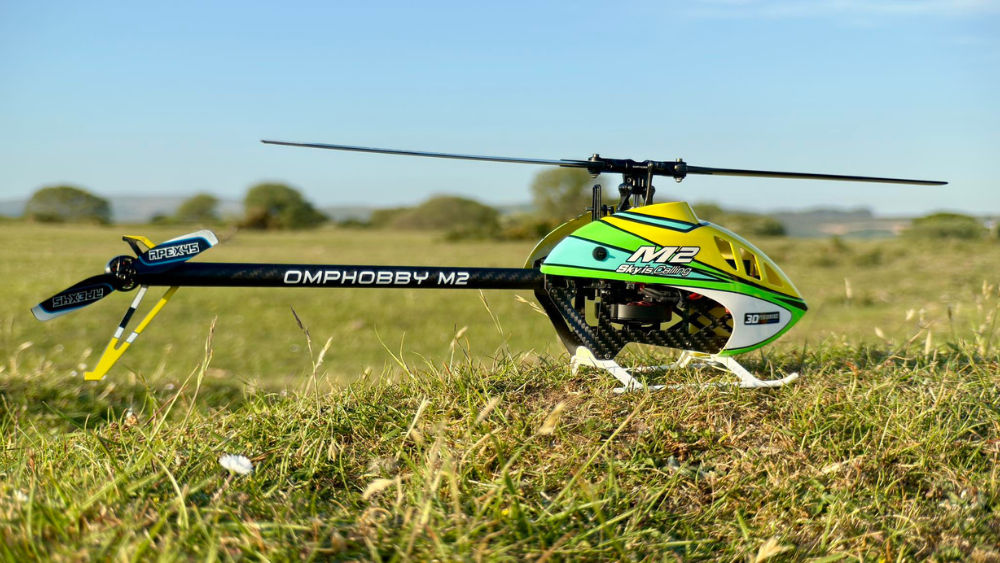
Have you ever watched an RC helicopter soar through the sky, and thought about piloting one yourself? Setting up your own RC helicopter can be an incredibly rewarding experience.
It’s not just about seeing it fly; it’s about the pride in knowing you made it happen. But where do you start? You may feel overwhelmed by the countless parts and technical jargon. Fear not, because this guide is designed with you in mind.
We’ll break down the process into simple steps, ensuring you feel confident in your ability to get your helicopter off the ground. Imagine the thrill of your first successful flight. By the end of this article, you’ll have everything you need to make that happen.
Credit: www.youtube.com
Choosing Your Rc Helicopter
Picking the right RC helicopter is crucial. First, decide on size. Mini helicopters are great for beginners. Larger models offer more control. Consider your experience level. Beginners might prefer simpler models. Advanced users can opt for complex designs. Think about where you’ll flyit. Indoors or outdoors? This affects your choice. Check battery life. Longer flights need better batteries. Look at the build quality. Durable materials last longer. Choose based on your budget. Prices vary widely. Compare different brands. Some offer extra features. Always read reviews. They help in making a decision.

Credit: www.youtube.com
Preparing For Assembly
Gather all the tools and parts needed. Keep everything in one place. This helps in finding parts quickly. Read the instructions carefully. This helps in understanding each step. Check for any missing parts. Order them if needed before starting.
Organize the parts by size and type. This makes it easier to find them. Use a soft cloth to lay out parts. This keeps them safe from scratches. Charge the batteries fully. This ensures the helicopter will fly. Check the remote for working batteries too.
Set up your workspace in a safe area. Make sure it’s free from clutter. Keep any distractions away. This helps in focusing on the assembly process. Wash your hands to keep the parts clean. This prevents dirt from affecting the build.
Achieving A Successful First Flight
Setting up an RC helicopter requires careful attention to detail. Ensure all components are securely attached and balanced. Test controls and calibrate settings to achieve a smooth, stable flight.
Preparation And Safety Checks
Check all parts of the helicopter before flying. Ensure the blades are tight and secure. Inspect the battery for full charge. Look for any damage on the body. A safe area is a must for flying. Avoid crowded or obstructed places. Wear protective gear like goggles.
Understanding The Controls
Learn how each control works. The left stick makes it go up and down. The right stick moves it forward and backward. Practice using these sticks on the ground first. It helps in preventing crashes.
Basic Flying Techniques
Start by lifting the helicopter slowly. Try to hover in one place. Practice gentle turns left and right. Keep it low and close at first. Gradually, try more complex moves.
Post-flight Maintenance
Check the blades for any damage. Clean the helicopter after each flight. Store it in a safe and dry place. Regular checks keep it in good shape.

Credit: www.youtube.com
Frequently Asked Questions
How Do I Assemble An Rc Helicopter?
Assembling an RC helicopter involves connecting the rotor blades, landing gear, and tail rotor. Follow the manufacturer’s instructions carefully. Ensure all screws are tightened securely. Check the balance and alignment of components. Proper assembly ensures optimal flight performance and stability.
Always refer to the instruction manual for specific guidance.
What Tools Are Needed For Setup?
Basic tools like screwdrivers, wrenches, and pliers are essential for RC helicopter setup. Some models may require specialized tools. Check the helicopter’s manual for any specific tool requirements. Having these tools handy will make assembly smoother. Ensure all tools are in good condition for safe and accurate setup.
How Do I Calibrate The Controls?
Calibrating the controls requires adjusting the transmitter settings to match the helicopter’s response. Start by setting the throttle, pitch, and yaw. Follow the manual’s instructions for calibration procedures. Test the controls to ensure proper responsiveness. Accurate calibration enhances flying precision and control stability.
What Safety Precautions Should I Take?
Ensure a clear, open area free from obstacles for flying. Check all connections and screws for security. Always perform pre-flight checks. Keep a safe distance during operation to avoid injury. Use recommended safety gear. Following these precautions minimizes risks and ensures a safe flying experience.
Conclusion
Setting up an RC helicopter can seem tough at first. But with patience, anyone can do it. Follow the steps carefully. Check each part as you go. Ensure everything is secure before flying. Always read the manual for specific instructions.
Practicing regularly will improve your skills. Safety is important, so fly in open areas. Enjoy the thrill of flying your RC helicopter. Remember, practice makes perfect. Soon, you’ll be flying like a pro. Happy flying!