

Imagine the thrill of watching your RC drone soar into the sky, reaching heights you never thought possible. As you control its ascent, a question might buzz in your mind: just how high can your RC drone fly?
Whether you’re a seasoned drone pilot or just starting out, understanding the limits and capabilities of your drone can unlock a whole new level of adventure and excitement. By tapping into your curiosity, this article will explore the factors that affect flight altitude, legal restrictions, and tips to safely maximize your drone’s potential.
Dive in to discover the secrets of high-flying drones and ensure you’re not just watching from the ground, but truly mastering the skies.
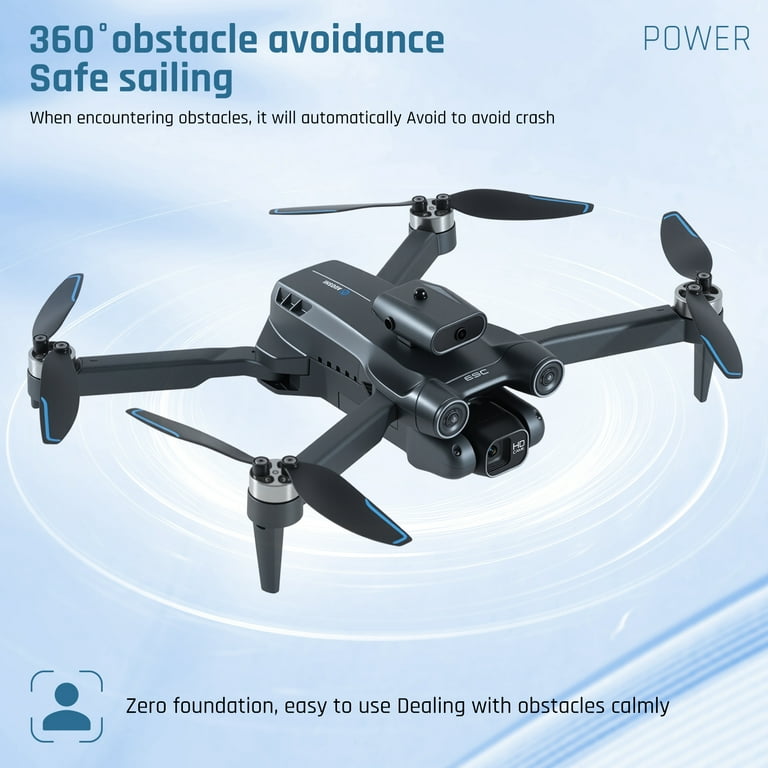
Credit: www.walmart.com
Factors Affecting Drone Altitude
Weather conditions, battery power, and drone model influence the altitude of RC drones. Wind can restrict height. Advanced models with powerful batteries fly higher.
Flying an RC drone is a thrilling experience, offering a bird’s-eye view of the world below. However, how high your drone can soar isn’t just about pushing it to its limits. Several factors influence the maximum altitude your drone can achieve. Understanding these elements can help you safely maximize your drone’s potential while adhering to regulations.Battery Life And Power
The battery is the heart of your drone. Its capacity directly affects how high and how long your drone can fly. A powerful battery can sustain high altitudes, but remember that flying higher requires more energy. Always monitor your battery’s charge to avoid abrupt landings.Weight Of The Drone
A drone’s weight plays a crucial role in its flight dynamics. Heavier drones often struggle to maintain high altitudes due to increased energy consumption. Consider removing unnecessary attachments to lighten your drone and enhance its altitude capabilities.Weather Conditions
Weather can make or break your drone flight experience. Windy conditions can drastically reduce altitude potential, as drones must work harder to maintain stability. Calm weather is optimal for reaching higher altitudes. Always check the forecast before launching your drone.Regulatory Restrictions
Legal restrictions are perhaps the most critical factor. Many countries impose altitude limits for drone flights, often set around 400 feet. Violating these regulations can result in fines or confiscation. Always familiarize yourself with local laws to ensure compliance.Drone Model And Design
Not all drones are created equal. Some models are specifically designed for high-altitude flights, equipped with advanced motors and aerodynamic features. Research and choose a model that aligns with your altitude goals. This can significantly impact your flying experience. Flying a drone can be a captivating hobby, but it’s essential to understand the factors that affect how high it can go. What adjustments can you make today to maximize your drone’s altitude safely and legally?Regulations And Legal Limits
Drone flight altitude is limited by regulations. In many countries, the maximum height is 400 feet above ground level. These rules ensure safety and prevent interference with manned aircraft.
When flying an RC drone, understanding regulations and legal limits is crucial. These rules ensure safety and prevent interference with manned aircraft. As a drone enthusiast, you’re responsible for knowing how high your drone can legally fly. This knowledge not only keeps you compliant but also protects others sharing the sky.Understanding Altitude Limits
In many countries, drones are restricted to specific altitude limits. In the United States, for example, the Federal Aviation Administration (FAA) sets a maximum altitude of 400 feet above ground level. Exceeding this limit could result in fines or penalties. Always check local regulations before you fly.Airspace Classifications
Different airspace classifications come with varied restrictions. Controlled airspaces near airports require special permission to fly drones. Uncontrolled airspaces offer more freedom, but it’s still essential to stay below the legal altitude limit. Knowing your airspace helps avoid potentially dangerous situations.Special Permissions And Waivers
Sometimes, you might need to fly higher than the standard limit for specific projects or events. In such cases, acquiring special permissions or waivers from authorities can grant you the necessary clearance. These requests should be made well in advance and require detailed plans and safety measures.Impact Of Weather Conditions
Weather conditions can affect the legal and safe flying height of your drone. Strong winds might push your drone beyond its intended altitude. Rain or fog can obscure visibility and increase risks. Always consider the weather forecast when planning your drone flight to ensure compliance and safety.Personal Experiences And Lessons Learned
Imagine preparing for a stunning aerial shot, only to be interrupted by a warning from your drone app about altitude limits. It’s a reminder of how crucial it is to understand regulations beforehand. Learn from such experiences to enhance your future flights and keep your drone adventures legal and safe. Knowing these regulations not only protects you but also ensures the safety of others in the airspace. What steps will you take to ensure your next drone flight is within legal limits?Technology And Engineering Constraints
RC drones can reach impressive heights, but technology limits them. Factors like battery life and signal range affect maximum altitude. Engineering constraints ensure safety and compliance with regulations, preventing drones from flying too high.
Flying an RC drone is an exciting experience, but there’s a limit to how high it can soar. These limits aren’t just about rules and regulations; they are deeply rooted in technology and engineering constraints. Understanding these limitations can help you make the most of your drone flying experience while ensuring safety and compliance.Battery Life And Power Output
The battery life of a drone is a key factor in determining how high it can fly. Most consumer drones rely on lithium-polymer batteries, which offer a balance between weight and power. However, as you ascend higher, the drone needs more power to fight against gravity and maintain stability, draining the battery faster. This means you might find your drone struggling to stay airborne if you push it to its maximum altitude.Signal Strength And Connectivity
A drone’s altitude is also limited by its connectivity to the remote controller. As you fly higher, the signal strength weakens, which can lead to loss of control. Imagine you are at a park, and your drone suddenly loses connection. It can be a nerve-wracking experience, highlighting the importance of ensuring a strong signal before attempting high-altitude flights.Motor Capacity And Propeller Efficiency
The motors and propellers play a crucial role in determining how high your drone can fly. High altitudes require the motors to work harder to maintain lift. Propeller efficiency drops as you climb higher due to thinner air, demanding more from the motors. You might notice decreased performance if your drone is not equipped with high-quality motors and propellers.Weight And Aerodynamics
Weight is a critical factor in the drone’s flight capabilities. Heavier drones require more lift, which can limit their altitude potential. The design and aerodynamics also impact how efficiently a drone can cut through the air. A sleek, aerodynamic design can help achieve higher altitudes by reducing air resistance.Environmental Factors
Environmental conditions, like wind and temperature, can also affect how high a drone can fly. Strong winds can make it difficult for the drone to maintain stability at higher altitudes. Cold temperatures can impact battery efficiency, reducing the time your drone can stay in the air. Always check the weather before planning a high-altitude flight to ensure optimal conditions. Understanding these constraints helps you plan your drone flights more effectively. It allows you to push the boundaries safely while ensuring your drone’s longevity. What steps will you take to maximize your drone’s potential within these constraints?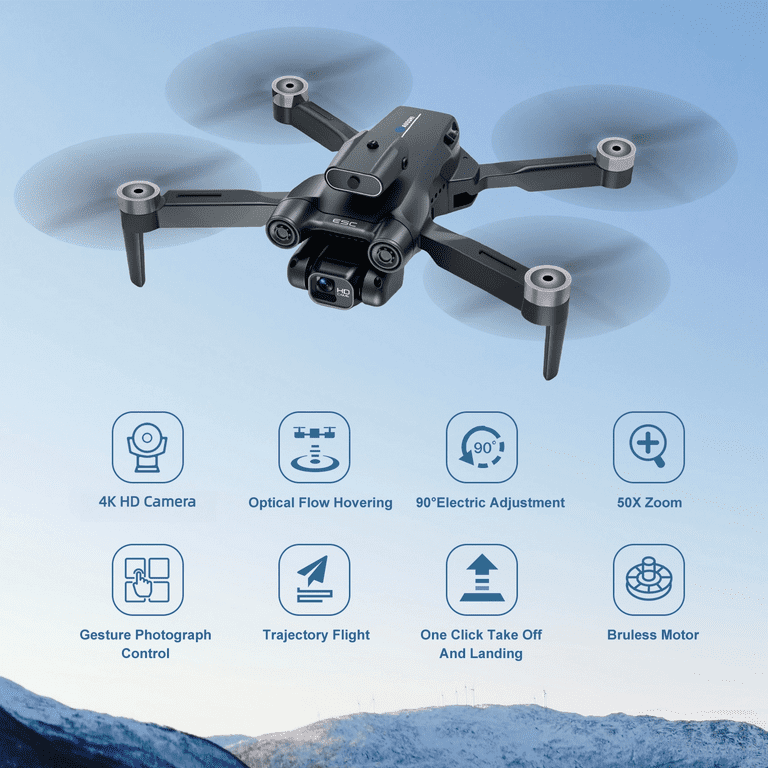
Credit: www.walmart.com
Credit: www.walmart.com
Frequently Asked Questions
What Is The Maximum Altitude For Rc Drones?
RC drones typically have a maximum altitude of around 400 feet (120 meters) due to FAA regulations. This limit ensures safe airspace usage and prevents interference with manned aircraft. Some advanced drones may reach higher altitudes, but it’s crucial to adhere to local laws and guidelines to ensure safety.
How Can Weather Affect Drone Flight Altitude?
Weather conditions like wind, rain, and fog can significantly impact a drone’s flight altitude. Strong winds may reduce stability, causing altitude fluctuations. Rain and fog can affect visibility and sensor accuracy, limiting safe flight. Pilots should always check weather forecasts and avoid flying in adverse conditions to ensure optimal performance.
Do Drones Have Altitude Limitations Indoors?
Yes, drones have altitude limitations indoors due to ceiling heights and obstacles. Indoor flight restricts altitude to prevent collisions with ceilings, walls, and furniture. Many drones offer altitude hold features for safe indoor navigation. Pilots should be cautious and maintain a low altitude for controlled indoor flights.
How Do Drone Models Impact Altitude Capability?
Different drone models have varying altitude capabilities based on design and technology. High-end drones often feature advanced motors and sensors, allowing greater altitude and stability. Budget models might offer limited altitude due to simpler construction. Researching and choosing the right model is essential for achieving desired flight performance.
Conclusion
Exploring the flight limits of RC drones is fascinating. Safety and regulations should guide drone use. Different models offer varied capabilities. Some fly higher than others. Always check local guidelines before flying. Understand the drone’s specifications. Know its battery life.
Weather affects flight performance. Wind can limit height. Practice safe flying habits. Respect no-fly zones. Consider the environment. Flying within limits ensures fun and safety. Drones bring joy and innovation. They offer endless possibilities. Enjoy flying and capturing breathtaking views.
These tiny machines hold immense potential. Keep exploring the skies with enthusiasm and care.