
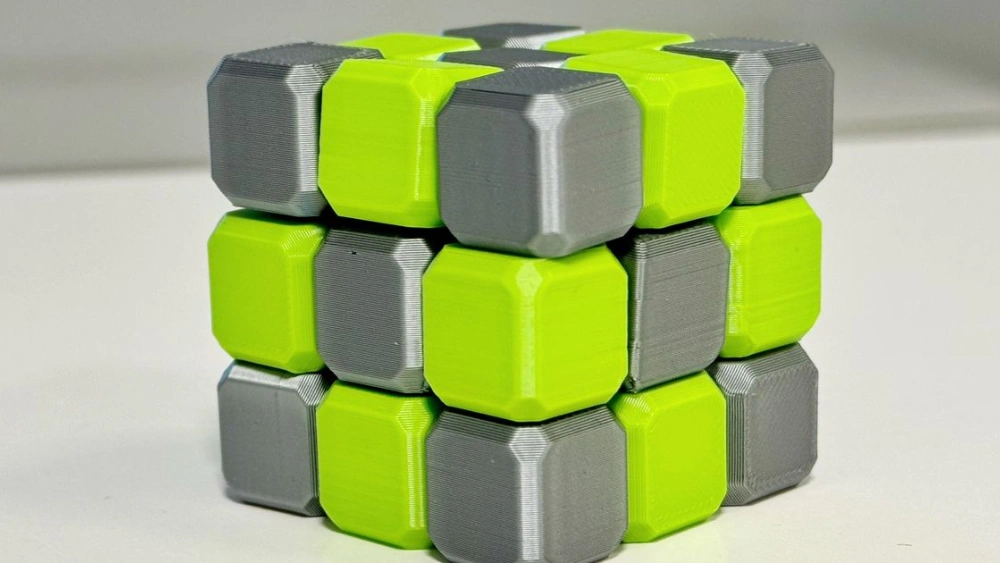
Are you staring at a puzzle cube fidget toy, feeling both intrigued and slightly frustrated? You’re not alone.
Many people are drawn to these colorful, twisty cubes that promise both challenge and satisfaction. But figuring out how to solve them can seem daunting at first. Imagine the sense of accomplishment you’ll feel once you’ve mastered it. Picture impressing your friends with your newfound skill and the satisfying click of the cube as everything falls into place.
In this guide, we’re here to help you unlock the secrets of the puzzle cube, step by step. Get ready to engage your mind, improve your focus, and discover a fun way to relax. Let’s dive into the world of puzzle cubes and help you become a pro.
Credit: www.spinmaster.com
Getting Started With Your Puzzle Cube
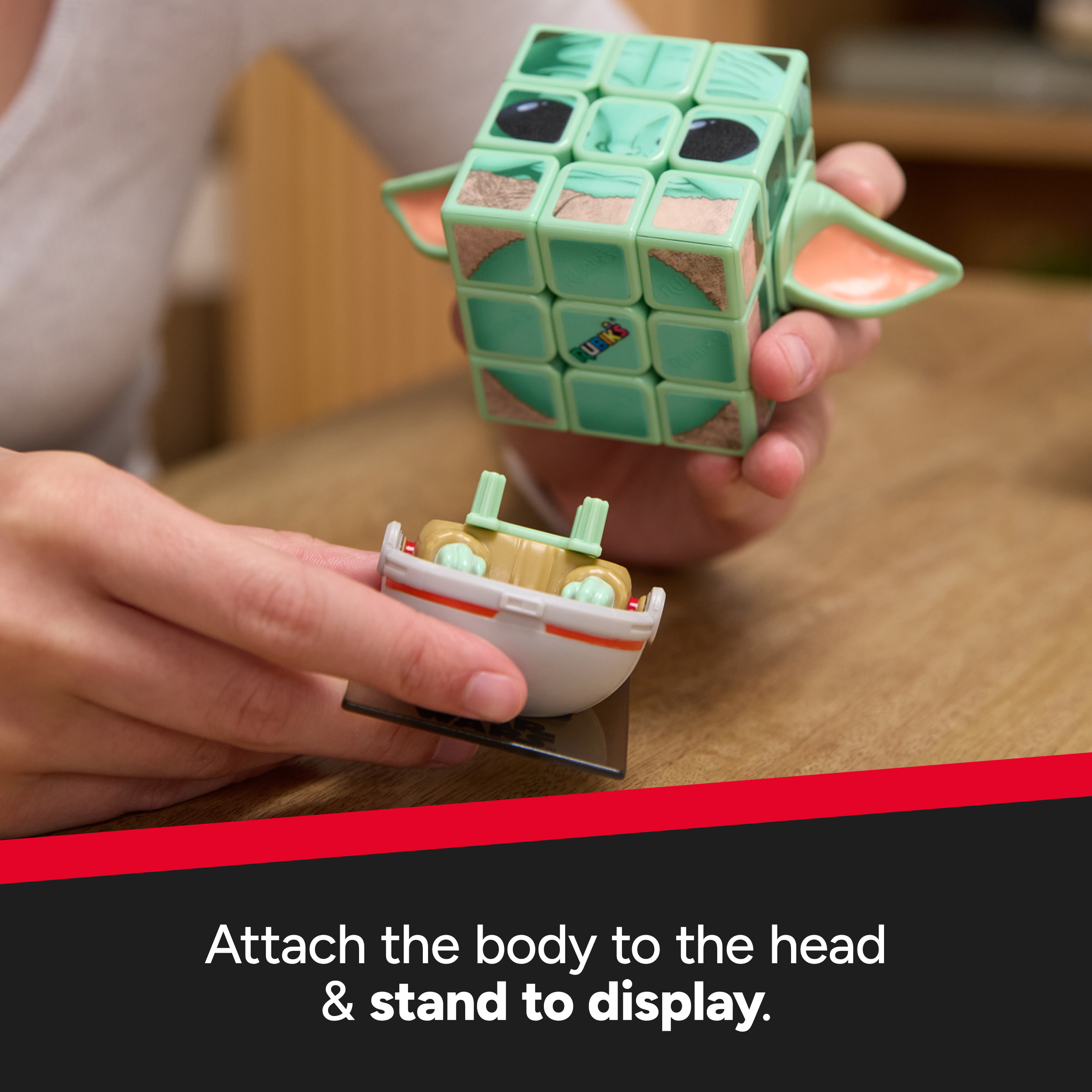
Starting with a puzzle cube can feel tricky but exciting. The key is to begin with the right tools and a clear understanding of the cube itself. This section helps you get comfortable with your puzzle cube. It breaks down what you need and how to prepare for practice. Simple steps make the journey smooth and fun.
Choosing The Right Cube
Pick a cube that suits your skill level. Beginners should choose cubes that turn smoothly and are easy to handle. Look for cubes labeled as “beginner” or “standard.” Avoid very small or very large cubes. Consider cubes with bright colors to help see pieces clearly. A cube that fits well in your hand improves control and speed.
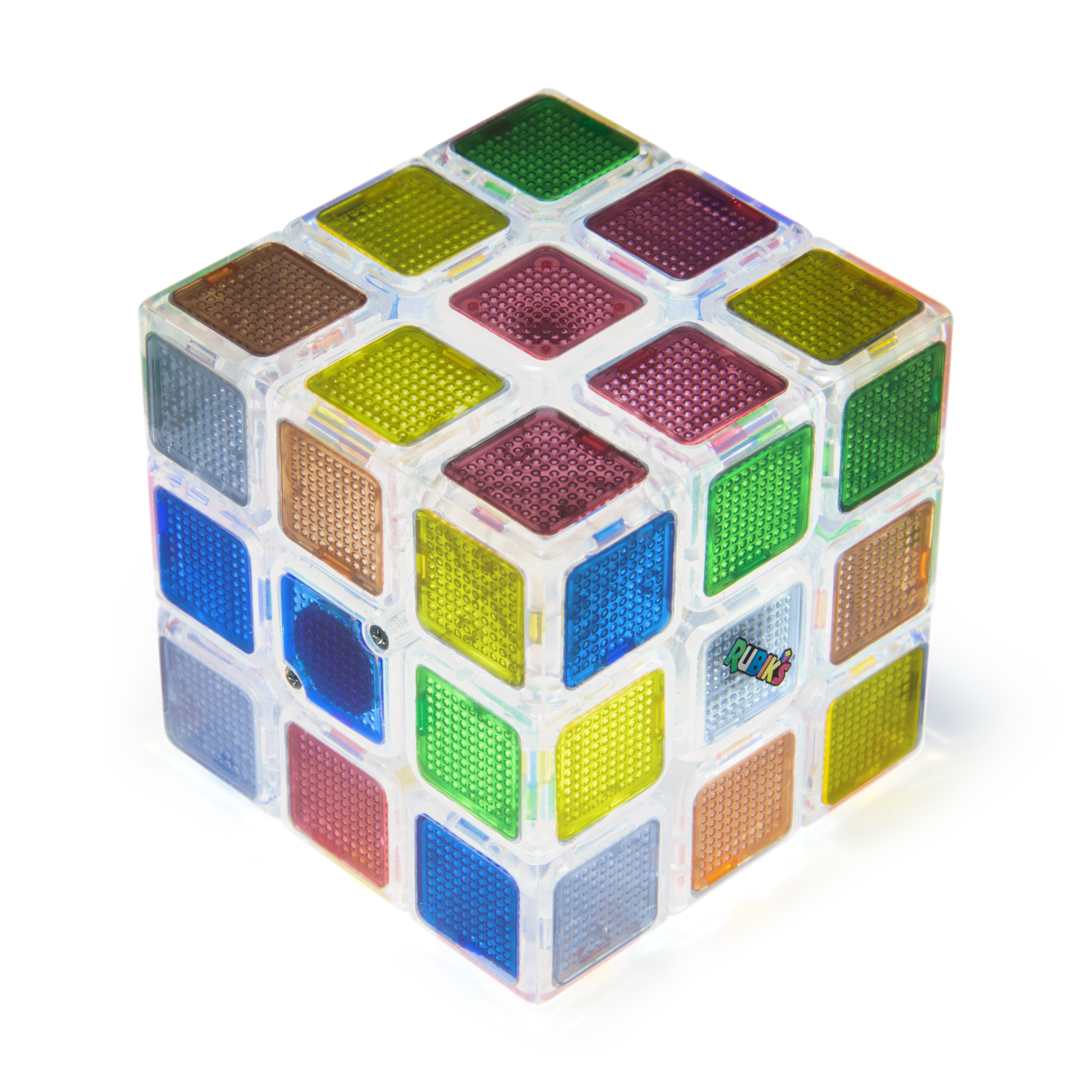
Basic Cube Anatomy
Understanding the cube’s parts helps solve it faster. The cube has three main parts:
- Center pieces:They stay fixed and show each side’s color.
- Edge pieces:They have two colors and connect centers.
- Corner pieces:They have three colors and fit in cube corners.
Knowing these parts helps you plan moves and track changes.
Setting Up For Practice
Find a quiet, well-lit place for practice. Sit comfortably with your cube in hand. Keep your fingers loose to turn the cube smoothly. Practice simple turns first to get used to the movements. Set small goals, like solving one side or matching colors. Regular short sessions build skill and confidence faster.
Mastering The Basic Moves
Mastering the basic moves of a puzzle cube fidget toy is the foundation of solving it efficiently. Before jumping into complex algorithms, you need to get comfortable with how the cube rotates and the simple turns that make up all the moves. These fundamentals will help you build confidence and improve your speed as you progress.
Understanding Cube Rotations
Think of the cube as six faces, each labeled with a color. You can rotate these faces clockwise or counterclockwise, and the entire cube can also be turned in your hands. Understanding how these rotations affect the position of pieces is key to planning your next moves.
Try holding your cube and practice turning just one face at a time. Notice how the colors shift and which pieces move where. This hands-on experience helps you visualize the cube’s mechanics, making solving less confusing.
Practicing Essential Turns
The essential turns are the building blocks of every solution. They include turning the front (F), back (B), left (L), right (R), top (U), and bottom (D) faces. Each can be turned clockwise or counterclockwise, often noted with an apostrophe (‘) for the latter.
Spend time performing these turns smoothly and accurately. Speed comes with muscle memory, which you develop by repeating these motions regularly. Ask yourself: how can I make each turn more precise without looking at the cube?
Common Notations To Know
Notations are the language of cube solving. They simplify communication of moves and sequences. Here’s a quick guide:
| Notation | Meaning |
|---|---|
| F | Turn front face clockwise |
| F’ | Turn front face counterclockwise |
| R | Turn right face clockwise |
| R’ | Turn right face counterclockwise |
| U | Turn upper face clockwise |
| U’ | Turn upper face counterclockwise |
Learning these notations helps you follow tutorials and solve guides easily. Can you imagine solving a cube without knowing what each letter means? Probably not, right?
Solving The First Layer
Solving the first layer of a puzzle cube fidget toy is the foundation for completing the entire cube. This stage sets the base by arranging one side perfectly with matching colors. Focus on the white face or any color you prefer. The goal is to form a solid layer without gaps or mismatched colors.
Start by understanding the pieces: edge pieces have two colors, and corner pieces have three. Align these pieces carefully. The first layer includes both the cross and the corners. Accuracy here makes the next steps easier and faster.
Creating A Cross
Begin by forming a plus sign on the chosen face. Find the edge pieces with your color and move them to the correct positions. Each edge piece should match the center color on the adjacent sides.
- Locate edge pieces with the target color.
- Move them to the face without disturbing already placed pieces.
- Check side colors to ensure they align with center pieces.
Take your time. A clean cross saves effort later.
Placing Corner Pieces
Next, place the corner pieces to complete the first layer. Each corner has three colors. Position them so the target color faces the first layer, and other colors match the sides.
- Find corner pieces with the main color.
- Use simple turns to bring corners under their correct position.
- Rotate the corner piece into place without breaking the cross.
Aligning Colors
Check that all colors on the first layer match the center pieces of each side. Adjust edges and corners until the colors line up perfectly. The first layer should look neat and consistent.
- Rotate side faces to align edge colors with centers.
- Reposition corners so all three colors match adjacent sides.
- Fix any misaligned pieces with small moves.
A well-aligned first layer makes solving the rest of the cube easier and faster.
Credit: www.spinmaster.com
Completing The Cube
Completing the puzzle cube fidget toy requires careful moves and clear focus. This stage brings all pieces into place, showing the cube’s full color pattern. Each layer must align perfectly for a solved cube. Patience and practice are key to finishing the cube confidently.
Solving The Middle Layer
The middle layer connects the top and bottom layers smoothly. Focus on moving edge pieces without disturbing the solved top. Use simple moves to shift these pieces sideways into correct spots. Watch the colors match on each face for the perfect fit.
- Identify edge pieces that belong in the middle layer.
- Use sequences that move edges without breaking the top layer.
- Repeat until all middle edges match adjacent center pieces.
Finishing The Last Layer
The last layer is the trickiest part of the cube. It involves positioning and orienting pieces to complete the pattern. Learn basic algorithms that flip and rotate the last pieces. These moves solve the cube while keeping other layers intact.
- Position last layer corners and edges correctly.
- Orient pieces to match colors on all sides.
- Use simple, repeated sequences to complete the cube.
Tips For Faster Solving
Speed comes with practice and smart techniques. Memorize common patterns and move sequences. Stay calm and plan moves before turning the cube. Use finger tricks for quick rotations and less hand fatigue.
- Practice regularly to build muscle memory.
- Focus on smooth, controlled moves.
- Watch tutorials to learn efficient algorithms.
- Time your solves to track improvement.

Credit: www.amazon.ca
Frequently Asked Questions
How Do I Start Solving A Puzzle Cube Fidget Toy?
Begin by understanding the cube’s structure and colors. Solve one face first, usually the white side. Align edges and corners step-by-step. Practice basic algorithms to position pieces correctly. Patience and repetition are key to mastering the initial stages.
What Are Common Beginner Strategies For Puzzle Cubes?
Use the layer-by-layer method, solving one face at a time. Focus on completing the first layer, then middle edges, and finally the last layer. Learn simple algorithms for each step. Avoid random moves to prevent confusion and improve solving speed.
How Long Does It Take To Solve A Puzzle Cube?
For beginners, it typically takes several minutes to hours. With practice, solving time reduces significantly. Experts can solve it in under a minute. Consistent practice and learning algorithms help improve speed and efficiency.
Can Puzzle Cube Solving Improve Cognitive Skills?
Yes, solving improves problem-solving, spatial awareness, and memory. It enhances hand-eye coordination and concentration. Regular practice stimulates brain function and logical thinking. It’s a fun and effective brain exercise for all ages.
Conclusion
Solving a puzzle cube fidget toy takes patience and practice. Start with simple steps and learn each move carefully. Break the task into small parts to avoid feeling lost. Keep trying, and you will see progress over time. The challenge can be fun and rewarding.
Enjoy the process and don’t rush. Each solved side brings satisfaction and confidence. Stay calm, focus, and keep your hands steady. Soon, solving the cube will feel natural and easy. Remember, every expert began as a beginner too.