
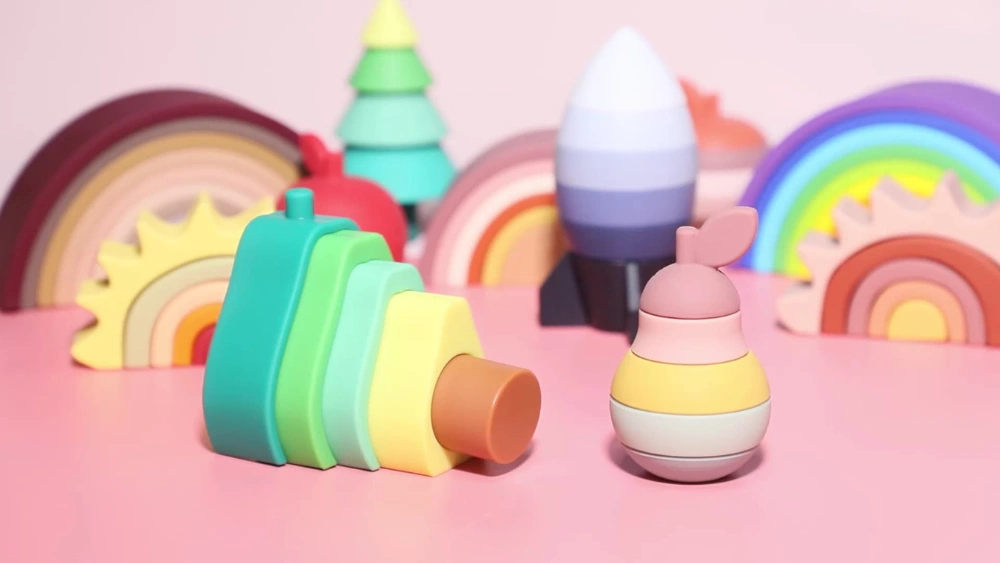
When it comes to your baby’s safety, every choice matters. You might find yourself wondering about the toys you introduce to your little one.
Silicone toys have become increasingly popular for their bright colors and unique textures. But are they really safe for your baby? Before you add these toys to your shopping cart, let’s explore what you need to know. This article will unravel the truth about silicone toys, ensuring peace of mind for you and endless fun for your baby.
Stay with us as we dive into the facts and myths surrounding these playful companions. Your child’s safety and happiness could depend on it.
Safety Of Silicone Material
Choosing safe toys for your baby is a top priority, and silicone has become a popular material in baby products. Understanding the safety of silicone material helps you make informed decisions. Let’s look closely at what makes silicone a trusted choice for baby toys.
Non-toxic Properties
Silicone is free from harmful chemicals like BPA, phthalates, and lead, which can be dangerous for babies. This means you don’t have to worry about toxic substances leaching into your baby’s mouth during playtime. Many parents, including myself, noticed peace of mind after switching to silicone toys because they felt confident their little ones were safe.
Hypoallergenic Benefits
If your baby has sensitive skin or allergies, silicone toys offer a gentle alternative. The material doesn’t irritate skin or cause allergic reactions, unlike some plastics or rubber. Have you ever seen redness or rash after your baby uses certain toys? Silicone often prevents these issues, making it ideal for delicate skin.
Durability And Resistance
Silicone toys can withstand chewing, pulling, and even dropping without breaking or wearing out quickly. This durability means you won’t need to replace toys as often, saving money and reducing waste. Also, silicone resists mold and bacteria better than many other materials, keeping your baby safer and healthier during play.
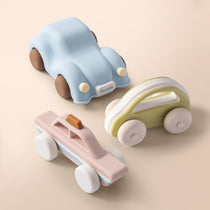
Credit: moonkieshop.com
Health Risks To Consider
Choosing toys for your baby means thinking beyond just fun and cuteness. Safety is key, especially with materials like silicone that are often praised for being baby-friendly. But even silicone toys come with health risks you should know about before handing one to your little one.
Potential Chemical Exposure
Silicone is generally considered safe, but not all silicone toys are created equal. Some may contain fillers or additives that can leach harmful chemicals over time, especially if the toy is exposed to heat or harsh cleaning agents.
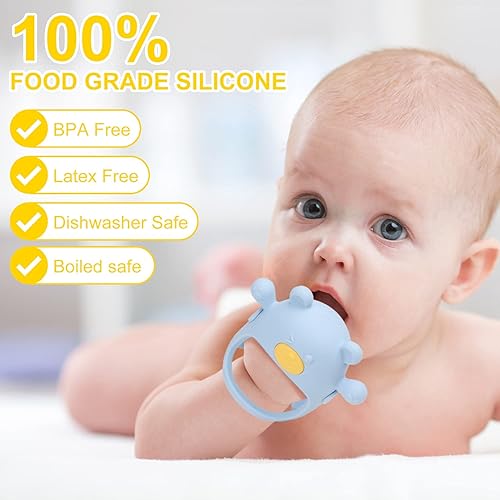
Look for toys labeled as 100% food-grade silicone to minimize this risk. Have you checked your baby’s toys for clear safety certifications? It makes a huge difference.
Choking Hazards
Even the safest materials can become dangerous if the toy breaks or has small detachable parts. Silicone toys that are too small or have loose pieces can pose choking risks to curious babies.
Inspect toys regularly for signs of wear and tear. If a toy starts to crack or pieces come off, it’s time to replace it immediately to keep your baby safe.
Allergic Reactions
While silicone allergies are rare, they do exist. Some babies might develop skin irritations or rashes after prolonged contact with silicone toys.
Monitor your baby’s skin closely, especially when introducing a new toy. If you notice redness or swelling, stop using the toy and consult your pediatrician.
Choosing The Right Silicone Toys
Choosing the right silicone toys for your baby involves more than just picking colorful shapes. Safety, design, and hygiene play crucial roles. Making informed choices ensures your baby enjoys playtime without any risks.
Certifications To Look For
Always check if the silicone toy has certifications that guarantee safety. Look for labels like FDA-approved, BPA-free, and CE marking. These certifications confirm the toy is made from non-toxic materials and has passed strict safety tests.
Have you ever wondered if a toy’s packaging truly reflects its safety? Don’t hesitate to research the brand or ask your pediatrician for recommendations. Your baby’s health depends on these small but important details.
Age-appropriate Designs
Silicone toys should match your baby’s developmental stage. Toys for newborns are typically soft with no small detachable parts to avoid choking hazards. Older babies may handle toys with more texture or interactive features.
Choosing toys that stimulate your baby’s senses can support their growth. Think about your baby’s current abilities and pick toys that encourage grabbing, chewing, or exploring. Have you noticed how your baby reacts to different textures?
Cleaning And Maintenance Tips
Keeping silicone toys clean is essential for your baby’s health. Wash toys regularly with warm soapy water or boil them to sterilize. Avoid harsh chemicals that can leave harmful residues.
Inspect toys for any damage or wear before giving them to your baby. A cracked or torn toy can harbor bacteria or pose choking risks. How often do you clean your baby’s toys? Making it part of your routine protects your little one from germs.
Credit: oman.whizzcart.com
Comparing Silicone With Other Materials
Choosing the right material for baby toys is crucial for your child’s safety and comfort. Silicone has grown popular, but how does it really compare to other materials? Understanding the differences can help you make better choices for your little one’s playtime.
Plastic Vs Silicone Safety
Plastic toys often contain chemicals like BPA or phthalates, which can be harmful if ingested. Silicone, on the other hand, is generally free from these toxins and resists heat and bacteria better.
Many parents I know switched to silicone toys after noticing their babies’ reactions to plastic ones—less irritation and more durability. Are you aware of what’s really in your baby’s plastic toys? Checking labels and certifications can make a big difference.
Natural Materials Alternatives
Wood and cotton are popular natural options. These materials are biodegradable and free from synthetic chemicals, which appeals to eco-conscious parents.
However, natural materials can be harder to clean and may wear out faster. If your baby tends to chew on toys, think about whether natural fibers or wood will hold up or become a choking hazard over time.
Cost And Longevity Factors
Silicone toys often cost more upfront compared to plastic or natural options. But they usually last longer and stay safe through repeated use and washing.
Consider how often you replace toys. Spending a bit more on silicone might save you money and hassle in the long run. What’s more valuable to you: saving now or investing in durability and safety?

Credit: colorlifelighting.en.made-in-china.com
Frequently Asked Questions
Are Silicone Toys Non-toxic For Babies?
Silicone toys are generally non-toxic and safe for babies. They are free from harmful chemicals like BPA, phthalates, and lead. Always choose toys labeled food-grade or medical-grade silicone for maximum safety and durability. This ensures the toy is safe for chewing and mouthing by infants.
Can Silicone Toys Cause Allergies In Babies?
Silicone is hypoallergenic and unlikely to cause allergic reactions in babies. It is a stable, inert material that doesn’t irritate sensitive skin. However, always monitor your baby for any signs of discomfort or rash when introducing new toys. Consult a pediatrician if allergic symptoms appear.
How To Clean Silicone Toys Safely For Babies?
Silicone toys can be cleaned with warm soapy water or sterilized by boiling. Avoid harsh chemicals or abrasive cleaners that can damage the surface. Proper cleaning prevents bacteria buildup, ensuring the toy remains safe and hygienic for your baby’s use.
Are Silicone Toys Durable For Baby Use?
Yes, silicone toys are highly durable and resistant to wear and tear. They withstand chewing, biting, and frequent washing without losing shape or safety. Their flexibility and strength make them ideal for long-term use by babies during teething and play.
Conclusion
Silicone toys can be safe for babies if chosen carefully. Always check for BPA-free and non-toxic labels. Clean toys regularly to keep germs away. Avoid toys with small parts that could cause choking. Soft, durable silicone is gentle on baby’s skin.
Parents should watch babies during playtime to ensure safety. Trust your instincts and choose quality products. Safe play helps babies learn and grow happily.