

Are you wondering when your little one will start showing interest in toys? You’re not alone.
Many parents eagerly await the moment when their baby reaches out for that colorful rattle or plush bear. Understanding when babies begin to engage with toys can help you support their development and choose the right playthings. This is a magical time when your baby’s curiosity is blossoming, and their interactions with toys can reveal so much about their growing mind.
Dive into this article to discover the fascinating stages of your baby’s interest in toys and learn how to make playtime both fun and educational. Whether you’re a first-time parent or adding another bundle of joy to the family, knowing what to expect can make these early months even more exciting.
Early Sensory Engagement
Babies begin to explore the world through their senses very early. This stage is called early sensory engagement. It helps them connect with their surroundings and learn new things. Toys play a big role in this process. They stimulate babies’ senses and encourage curiosity.
Visual Tracking
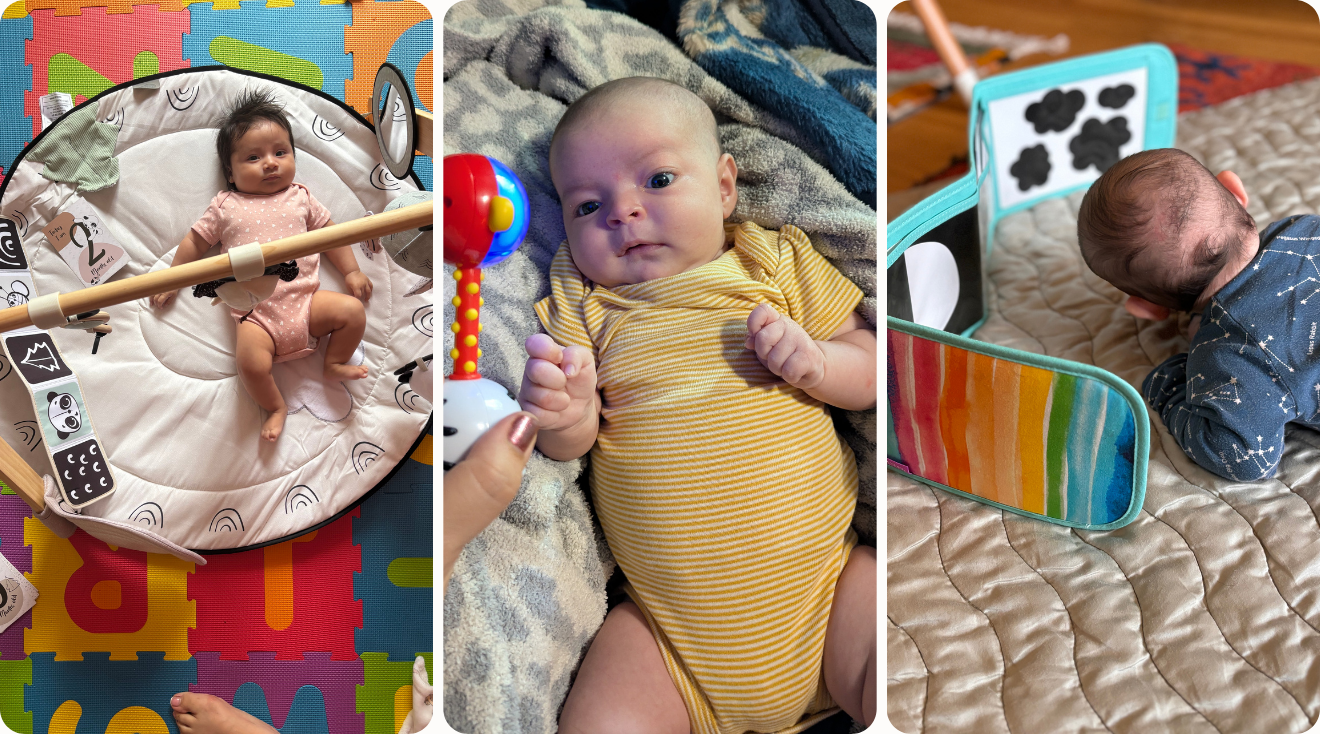
At first, babies focus on simple shapes and bright colors. Their eyes follow moving objects as they develop control. This skill is called visual tracking. It helps babies pay attention and recognize faces or toys. Parents can help by moving toys slowly in front of their baby’s eyes. High-contrast patterns catch their attention well.
Tactile Exploration
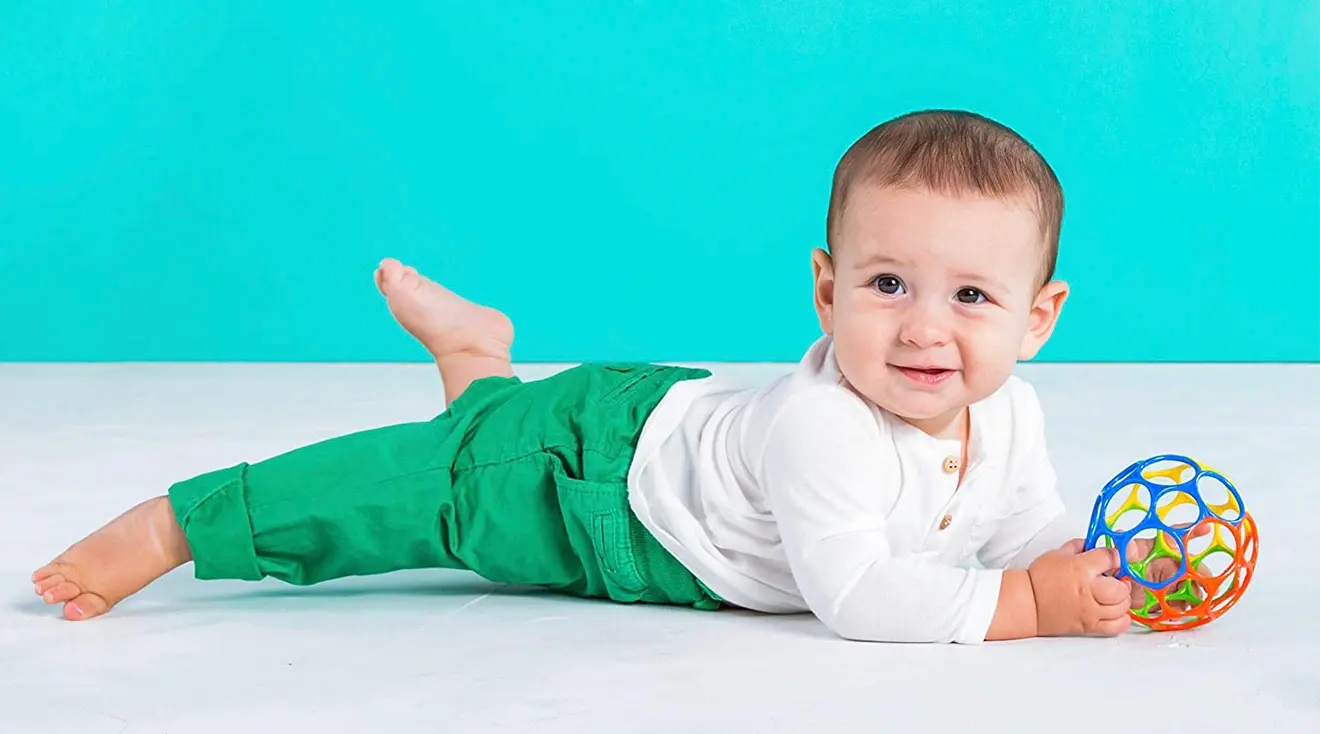
Babies love to touch and feel different textures. This is called tactile exploration. Soft, rough, smooth, or bumpy surfaces teach babies about the world. They use their hands and mouths to explore toys. This helps develop their sense of touch and coordination. Safe, textured toys encourage babies to discover new sensations.
Credit: www.thebump.com
Reaching And Grasping Skills
Reaching and grasping skills mark an exciting stage in a baby’s growth. These abilities show how babies begin to explore their world actively. They start to notice objects and try to touch or hold them. This phase often sparks their interest in toys.
Babies use reaching and grasping to learn about size, shape, and texture. These actions also help develop their muscles and brain connections. Toys that encourage reaching and holding can support this development.
Hand-eye Coordination
Hand-eye coordination grows as babies watch their hands move. They learn to control hand movements to touch specific objects. This skill usually starts developing around 3 to 4 months of age.
Babies practice by reaching for toys within their sight. Success in grabbing helps improve coordination. Bright and colorful toys attract their attention and encourage practice.
Fine Motor Development
Fine motor skills involve small muscle movements in fingers and hands. Babies begin to open and close their hands to grasp items. This starts around 4 to 6 months old.
Grasping different toys helps strengthen finger muscles. It also improves the ability to hold and manipulate objects. Toys with various textures and shapes support fine motor development best.
Interactive Play Emerges
As babies grow, their play shifts from simple observation to active engagement. This transition marks the start of interactive play, where they begin to understand how their actions influence the world around them. You might notice your little one pressing buttons or shaking toys to see what happens next—this is a sign their curiosity is sparking new learning.
Cause And Effect Toys
Cause and effect toys are perfect for encouraging interactive play. These toys respond directly to a baby’s actions, such as a toy that lights up when squeezed or a musical instrument that sounds when tapped.
These experiences help babies learn that they can control and change their environment. Watching their face light up when a toy reacts to their touch is proof of their growing awareness. Have you tried offering your baby simple cause and effect toys? You might be surprised how quickly they catch on.
Social Interaction
Interactive play isn’t just about toys—it’s also about connecting with others. Babies begin to enjoy games like peek-a-boo and pat-a-cake because these involve back-and-forth interaction.
Such social play teaches them to wait their turn and read social cues, building essential communication skills. When you join in their play, you not only strengthen your bond but also support their emotional and cognitive development. How often do you engage in playful exchanges with your baby during the day?
Credit: www.thebump.com
Exploring Complex Toys
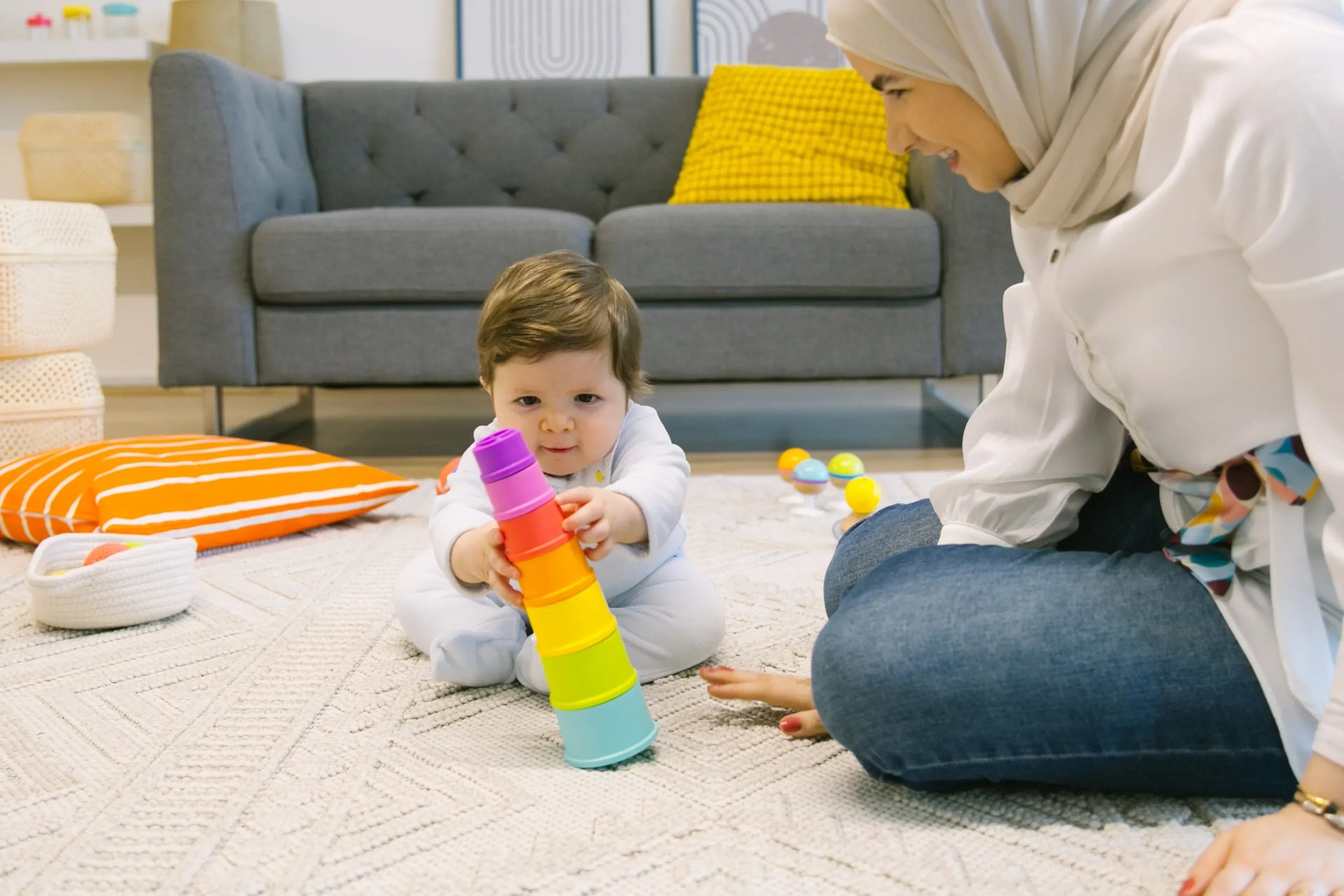
Babies begin to explore toys with more detail as they grow. Complex toys catch their attention because these toys challenge their minds. These toys often include buttons to press, shapes to fit, or puzzles to solve. They help babies learn cause and effect, which is an important skill. Playing with complex toys also encourages creativity and thinking.
Problem Solving
Complex toys often have parts that require thinking and action. Babies try to figure out how the toy works. They might push, pull, or turn pieces to see what happens. This helps develop their problem-solving skills. Each attempt teaches them something new. It also builds patience and focus as they try different ways to succeed.
Imaginative Play
As babies grow, they start to use toys in creative ways. Complex toys can become anything in their imagination. A block might turn into a car or a castle. This kind of play boosts their creativity and language skills. Imaginative play helps babies understand the world around them. It also encourages social skills when they play with others.
Credit: monkibox.com
Frequently Asked Questions
When Do Babies Start Showing Interest In Toys?
Babies typically begin showing interest in toys around 2 to 3 months old. At this age, they start tracking objects and reaching out. Toys with bright colors and simple shapes attract their attention first.
What Types Of Toys Attract Newborns?
Newborns are drawn to high-contrast toys, especially black and white patterns. Soft, textured toys also engage their senses. These toys help stimulate visual and tactile development during early infancy.
How Can Toys Aid A Baby’s Development?
Toys encourage sensory exploration, motor skills, and cognitive growth. They promote hand-eye coordination and problem-solving abilities. Playing with toys also supports emotional bonding between babies and caregivers.
When Should I Introduce Interactive Toys To My Baby?
Interactive toys are best introduced around 6 months. At this stage, babies enjoy cause-and-effect play and can manipulate simple toys. These toys boost curiosity and enhance fine motor skills effectively.
Conclusion
Babies start noticing toys around two to three months old. They enjoy bright colors and simple shapes first. As they grow, their interest in toys changes and grows too. Toys help babies learn and explore the world. Parents should offer safe, age-appropriate toys to keep babies curious.
Watching a baby play shows how they discover new skills. Every child develops at their own pace, so patience is key. Toys bring joy and help babies grow step by step. Keep offering gentle encouragement and fun playtimes. This support makes playtime both fun and meaningful.