
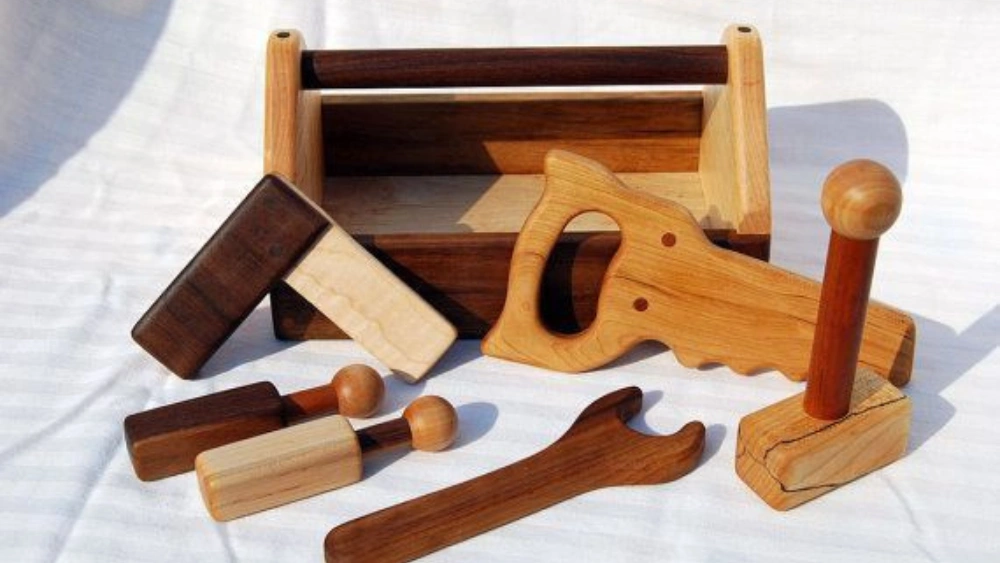
Are you looking for a fun and meaningful way to create toys that help children learn and grow? Making wooden educational toys is a fantastic idea.
Not only are these toys durable and safe, but they also spark creativity and curiosity in kids. Imagine crafting something with your own hands that teaches shapes, colors, or numbers while providing hours of play. You’ll discover simple steps and tips to make wooden educational toys that your children or students will love.
Ready to bring your ideas to life and make learning exciting? Let’s get started!
Choosing Safe Wood Materials
Choosing safe wood materials is key for making wooden educational toys. The wood must be strong and free from harmful chemicals. Children often put toys in their mouths. Toys should never release toxic substances. Using the right wood ensures toys last long and stay safe. It also protects children from allergies and irritations.
Types Of Wood For Toys
Hardwoods are best for wooden toys. They resist dents and splinters. Common hardwoods include:
- Maple
- Beech
- Birch
- Cherry
Softwoods like pine can be used but may wear faster. Avoid woods that have a strong smell or oily texture. These can cause allergic reactions. Always check that the wood is untreated and free from chemicals.
Non-toxic Finishes And Paints
Finishes and paints protect wood and add color. Use only child-safe, non-toxic products. Look for labels that say “AP certified” or “non-toxic.” Natural oils like linseed or beeswax are safe choices for finishes. Water-based paints are safer than oil-based ones. Avoid paints with heavy metals like lead. Always test finishes on a small wood piece before full use.
Credit: toymakeroflunenburg.ca
Essential Tools And Supplies
Creating wooden educational toys is a rewarding project that combines creativity with hands-on skill. Before you start, having the right tools and supplies is crucial to make your work smooth and enjoyable. The right equipment not only ensures precision but also keeps you and the kids safe throughout the process.
Basic Woodworking Tools
Every woodworking project starts with a solid toolkit. Essential tools include a handsaw or jigsaw for cutting shapes, a hammer for assembling pieces, and sandpaper to smooth rough edges. A cordless drill with various drill bits can speed up making holes and attaching parts securely.
Clamps are often overlooked but incredibly useful for holding pieces steady while glue dries or when you’re nailing parts together. A tape measure and a pencil will help you mark accurate measurements, which is vital for the pieces to fit together perfectly.
Think about what shapes and functions you want your toys to have—this will guide your tool choices. Have you considered how a simple chisel can add unique details or grooves that make toys more interactive?
Safety Gear For Kids And Adults
Safety is non-negotiable, especially when kids join the woodworking fun. Always wear safety goggles to protect your eyes from dust and flying wood chips. Ear protection is equally important if you’re using power tools, as loud noises can harm hearing over time.
Gloves can protect hands from splinters, but make sure they fit well so you don’t lose dexterity. For kids, consider lightweight gloves designed for smaller hands. Also, keep a first aid kit nearby—accidents happen, and being prepared makes a big difference.
Have you thought about setting up a dedicated, well-ventilated workspace? Proper lighting and a clutter-free area reduce the chance of accidents and help you focus better on your project.
Simple Toy Designs For Beginners
Simple wooden toys are perfect for beginners. They require basic tools and materials. These toys help develop skills like problem-solving and hand-eye coordination. Starting with easy projects builds confidence and creativity. Below are two popular toy designs that are easy to make and fun to use.
Building Blocks
Building blocks are classic toys loved by children. Cut small wooden cubes or rectangles using softwood like pine. Sand each piece smoothly to avoid splinters. You can paint blocks with non-toxic colors or leave them natural. Keep the size uniform for easy stacking and building. These blocks encourage imagination and fine motor skills in kids.
- Use a saw to cut wood into small cubes.
- Sand edges until smooth.
- Optionally paint with safe, bright colors.
- Make sets of 10 to 20 blocks.
Puzzles And Shape Sorters
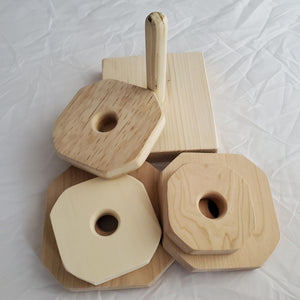
Puzzles and shape sorters help children recognize shapes and improve problem-solving. Start by drawing simple shapes on a thin wooden board. Use a jigsaw or scroll saw to cut out pieces carefully. Smooth edges and paint shapes in different colors. For shape sorters, create matching holes on a wooden box or board. Kids enjoy fitting pieces into the right slots, learning through play.
- Draw basic shapes like circles, squares, and triangles.
- Cut shapes with a fine saw.
- Sand all edges for safety.
- Paint pieces with bright, non-toxic paint.
- Make a box with matching holes for shape sorters.

Credit: www.amazon.com
Step-by-step Assembly Tips
Assembling wooden educational toys requires care and attention to detail. Each step shapes the final quality and safety of the toy. Following precise assembly tips ensures a smooth build process. It also creates durable toys that children can enjoy safely.
Measuring And Cutting Techniques
Accurate measurements prevent material waste and ensure parts fit well. Use a ruler or measuring tape to mark wood precisely. Mark lines clearly with a pencil for easy cutting guidance.
- Double-check each measurement before cutting to avoid mistakes.
- Use a fine-toothed saw for clean, smooth cuts.
- Cut slowly and steadily to maintain control and accuracy.
- Support the wood firmly to prevent splintering or cracking.
Proper measuring and cutting set a strong foundation for assembly.
Sanding And Finishing Touches
Sanding smooths rough edges and enhances safety for little hands. Start with medium-grit sandpaper to remove splinters and uneven spots. Follow with fine-grit sandpaper for a gentle, polished finish.
- Sand all surfaces and corners thoroughly for safety.
- Wipe dust off with a damp cloth before finishing.
- Apply non-toxic, child-safe finishes to protect the wood.
- Allow finishes to dry completely before use or further assembly.
Well-sanded toys feel better to touch and last longer.

Credit: hzdese.en.made-in-china.com
Frequently Asked Questions
What Materials Are Needed To Make Wooden Educational Toys?
You need wood, non-toxic paint, sandpaper, wood glue, and basic tools. Choose safe, eco-friendly materials for child safety and durability.
How Do I Ensure Wooden Toys Are Safe For Children?
Use smooth, splinter-free wood and non-toxic finishes. Avoid small parts that can be choking hazards. Test for durability.
What Are Simple Wooden Toys Beginners Can Make?
Start with blocks, puzzles, or stacking toys. These designs are easy, require minimal tools, and teach basic skills effectively.
How Can Wooden Toys Promote Learning In Children?
Wooden toys enhance motor skills, creativity, and problem-solving. They encourage hands-on interaction and sensory development in a natural way.
Conclusion
Crafting wooden educational toys can be a rewarding experience. These toys spark creativity and learning in children. You make them safe and durable with care. Choose quality wood and non-toxic finishes. Design simple shapes to engage young minds. Tools and patience are key in this process.
With each toy, you build a child’s imagination. This effort leads to toys that last and teach. Start small, and enjoy the journey of creating. Your handmade toys will bring joy and knowledge. A perfect blend of fun and learning for every child.