
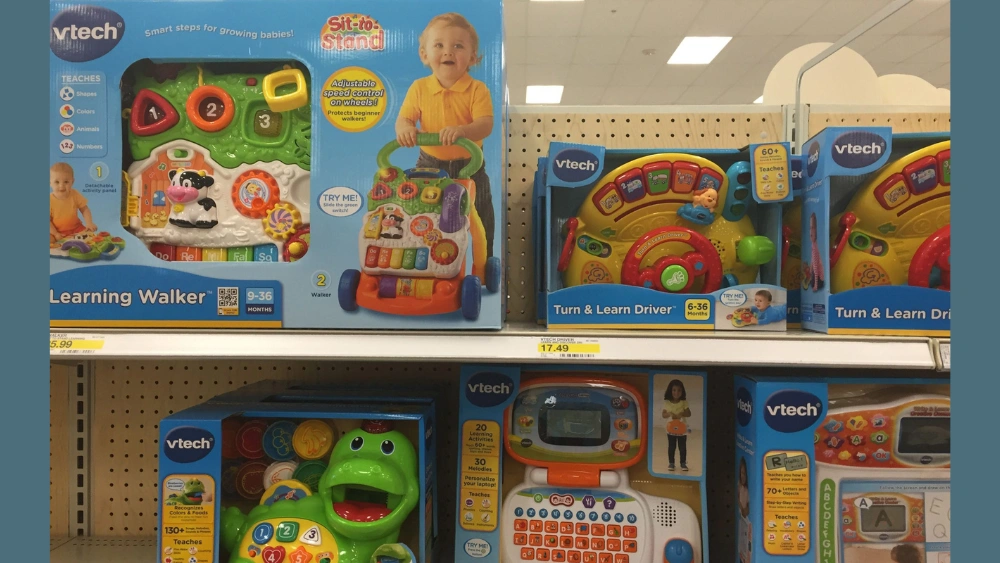
Are electronic toys good for toddlers? It’s a question that often pops into your mind when shopping for the little ones in your life.
You want the best for your child, and choosing the right toys plays a crucial role in their development. These shiny, interactive gadgets promise fun and learning, but are they truly beneficial? Or are they just more screen time in disguise?
Your curiosity is valid, and understanding the impact of these toys on your toddler’s growth is essential. Discover the surprising truths, benefits, and potential downsides as we delve into the world of electronic toys for toddlers. Stay with us to uncover insights that could change the way you think about playtime.
Credit: www.thelittlelearnerstoys.com
Benefits Of Electronic Toys
Electronic toys offer many benefits for toddlers. They provide fun and learning at the same time. These toys help develop important skills through interactive play. Toddlers can explore sounds, colors, and shapes. This early engagement supports brain growth and curiosity.
Enhancing Cognitive Skills
Electronic toys challenge toddlers to think and solve problems. Simple puzzles and matching games improve memory and attention. These toys encourage toddlers to recognize patterns and sequences. This helps build basic reasoning and decision-making skills. Playing with electronic toys can boost early brain development.
Encouraging Creativity And Imagination
Many electronic toys inspire toddlers to imagine and create. Musical toys let children explore sounds and rhythms. Some toys allow for storytelling or role play. These activities help toddlers express their ideas freely. Imaginative play supports emotional growth and social skills.
Supporting Early Learning
Electronic toys teach numbers, letters, and shapes in a fun way. Bright lights and sounds keep toddlers interested. These toys often include simple instructions to follow. Toddlers learn cause and effect through interactive features. Early learning toys prepare children for school readiness.
Improving Motor Skills
Electronic toys encourage hand-eye coordination and fine motor skills. Buttons, switches, and touch screens require precise movements. Toddlers develop finger strength and control during play. This practice supports tasks like writing and using utensils. Active play with these toys enhances physical development.

Credit: www.amazon.ca
Potential Risks For Toddlers
Electronic toys can bring fun and learning to toddlers. Yet, they also carry some risks that parents must watch. Understanding these risks helps keep playtime safe and healthy.
Overstimulation And Screen Time
Bright lights and loud sounds from electronic toys can overwhelm toddlers. Too much screen time can cause irritability and trouble sleeping. Young brains need quiet moments to rest and grow.
Impact On Social Development
Electronic toys often reduce face-to-face interaction. Toddlers need real conversations and play with others to learn social skills. Overuse of these toys may delay talking and sharing.
Safety Concerns
Small parts in some electronic toys pose choking hazards. Batteries and cords can cause harm if not used carefully. Always check toys for safety labels and age recommendations.
Dependency And Reduced Physical Activity
Toddlers may become too attached to electronic toys. This can lower their interest in active, outdoor play. Physical movement is vital for strong muscles and healthy growth.
Choosing The Right Electronic Toys
Choosing the right electronic toys for toddlers matters a lot. These toys shape learning and playtime. Parents must pick toys that suit their child’s age and needs. The right toy keeps toddlers safe and helps them grow smart. Look for features that fit your toddler’s skills. Check if the toy teaches useful skills. Safety and durability are key. Controls that parents can manage add extra peace of mind.
Age-appropriate Features
Electronic toys must match a toddler’s age. Toys with simple buttons and sounds work well for young toddlers. Avoid toys with small parts that can be swallowed. Features should support basic skills like colors and shapes. Toys that grow with the child add more value. Age labels on packaging help find the right fit.
Educational Value
Choose toys that teach while playing. Good electronic toys build language, counting, and problem-solving skills. Interactive toys that talk or ask questions engage toddlers more. Music and lights can help with memory and attention. Avoid toys that only entertain without learning benefits.
Durability And Safety Standards
Toddlers can be rough with toys. Pick toys made from strong, non-toxic materials. Check for safety certifications on the packaging. Avoid sharp edges and loose parts. Toys should be easy to clean and resistant to spills. Durable toys last longer and stay safe.
Parental Controls And Settings
Toys with parental controls give adults control over use. Time limits prevent too much screen time. Volume controls protect young ears. Some toys allow parents to customize content. These settings help keep playtime safe and balanced.
Balancing Electronic And Traditional Play
Finding the right balance between electronic and traditional play is key for toddler growth. Electronic toys can be fun and educational but need limits. Traditional play boosts creativity, social skills, and physical activity. Blending both types helps toddlers learn in many ways.
Incorporating Screen-free Activities
Plan daily activities without screens to keep toddlers engaged. Use puzzles, blocks, or drawing to spark imagination. Screen-free play improves focus and hand-eye coordination. It also gives children time to explore their surroundings calmly. Offer a variety of toys that do not light up or make sounds.
Setting Time Limits
Set clear, short time limits for electronic toy use. For example, allow 15-20 minutes per session. This helps toddlers avoid too much screen time. Use timers or alarms to signal when playtime ends. Consistent limits teach toddlers about balance and self-control.
Encouraging Interactive Play
Choose electronic toys that promote interaction and learning. Toys that ask questions or need problem-solving are good choices. Play together with your toddler using these toys. Talk about what the toy shows or asks. This turns playtime into a chance for bonding and learning.
Promoting Outdoor Exploration
Encourage toddlers to play outside every day. Nature offers many sights, sounds, and textures to discover. Outdoor play helps physical development and fresh air benefits. Simple activities like running, jumping, or collecting leaves build strength and curiosity. Balance screen time with plenty of outdoor fun.

Credit: www.amazon.ca
Frequently Asked Questions
Are Electronic Toys Safe For Toddlers?
Electronic toys are generally safe if they meet safety standards. Always check for non-toxic materials and age-appropriate features. Supervision is recommended to prevent small parts hazards and ensure proper use.
How Do Electronic Toys Benefit Toddler Development?
Electronic toys can enhance cognitive skills, hand-eye coordination, and problem-solving. Interactive features encourage learning and creativity. However, balance with non-electronic play is essential for overall development.
Can Electronic Toys Harm Toddler’s Social Skills?
Excessive use may reduce face-to-face interactions, affecting social skills. Moderation and guided play with caregivers help toddlers develop communication and empathy alongside electronic toy use.
What Age Are Electronic Toys Suitable For Toddlers?
Most electronic toys are designed for children aged 1 to 3 years. Always verify the recommended age on packaging to ensure safety and developmental appropriateness for your toddler.
Conclusion
Electronic toys can help toddlers learn and have fun. They offer sounds, colors, and lights that catch attention. Still, balance with non-electronic play is important for growth. Too much screen time can limit creativity and social skills. Parents should choose toys that fit their child’s needs.
Simple, interactive toys often work best. Remember, playtime shapes a child’s development and joy. Choose wisely, and watch your toddler explore and learn.