

Imagine the joy on your child’s face as they whip up a pretend feast in their very own kitchen playset. These miniature culinary adventures aren’t just about fun; they’re powerful tools that spark creativity and learning in your little one.
As a parent, you know how important it is for your child to play and learn simultaneously. Kitchen playsets offer this magical blend, nurturing your child’s imagination while honing important skills. Curious about how these pint-sized cooking stations can benefit your 4-year-old?
Keep reading to discover the surprising ways kitchen playsets can enhance your child’s development and turn playtime into a rich, educational experience. Your child’s potential awaits, just a toy kitchen away!

Credit: www.amazon.com
Enhancing Imagination
Kitchen playsets spark creativity in 4-year-olds, transforming them into mini-chefs with endless culinary adventures. These toys foster imagination, helping kids explore roles and develop problem-solving skills. Through pretend cooking, children learn social interaction and communication, enhancing their imaginative play.
Enhancing a child’s imagination is a pivotal aspect of their development, and kitchen playsets offer a fantastic avenue for this growth. These mini culinary spaces are not just toys; they are gateways to worlds where your child can be a chef, a baker, or even a cafe owner. At four years old, a child’s imagination is vivid and boundless, and engaging them with a kitchen playset can help shape their creativity and cognitive skills.Interactive Storytelling
A kitchen playset encourages your child to create their own stories. Imagine your child preparing a meal for their stuffed animals or serving tea to imaginary guests. This type of play fosters storytelling skills and helps them understand sequences and processes.Role-playing Scenarios
Children love to mimic adults, and a kitchen playset allows them to step into the shoes of a grown-up. They can simulate cooking dinner or baking a cake, which offers them a sense of responsibility and achievement. As they play, ask them questions about what they’re making or who they’re serving, to deepen their engagement.Problem-solving Skills
When your child decides to make a pretend pizza but can’t find the toy pepperoni, they learn to improvise. This kind of problem-solving is crucial. It teaches them to think on their feet and be resourceful, skills that are valuable beyond playtime.Encouraging Creativity
With a kitchen playset, creativity knows no bounds. Your child can mix and match different foods, invent new recipes, and even create unique restaurant menus. This freedom to experiment nurtures their creative thinking, which is essential for their development. Playing with a kitchen set can also enhance social skills, especially if they have siblings or friends to play with. They learn to share, take turns, and communicate effectively. These interactions build a foundation for empathy and cooperation. As you watch your child play, you’ll see a world unfolding before your eyes. How do you encourage your child to use their imagination during playtime? Could a simple kitchen playset be the key to unlocking their creative potential?
Credit: www.amazon.com
Developing Social Skills
Developing social skills in young children is crucial for their growth and future interactions. Kitchen playsets are not just toys; they are tools that can nurture these skills effectively. Imagine your child mimicking the act of cooking while chatting away with an imaginary friend. Such scenarios can lead to meaningful social growth that will benefit them throughout life.
Understanding Role Play
Role play is a powerful way for children to understand different perspectives. With a kitchen playset, your child can pretend to be a chef, a customer, or even a parent cooking for the family. This helps them grasp various roles and responsibilities. They learn to communicate, negotiate, and empathize with others.
Encouraging Cooperation
Kitchen playsets often involve multiple pieces and accessories that require teamwork. When children play together, they need to share utensils, decide who takes on which role, and work toward a common goal like preparing a pretend meal. This fosters cooperation and teaches them to value teamwork.
Building Communication Skills
Communication is key in any social setting. While playing with kitchen sets, kids practice verbalizing their thoughts, asking questions, and expressing their needs. They also learn to listen to others, enhancing their ability to hold conversations. These skills are foundational for effective communication.
Boosting Confidence
Every time your child successfully completes a task, like “cooking” a dish, their confidence grows. This self-assurance translates into better social interactions. They become more comfortable initiating conversations and participating in group activities. Confidence is crucial for developing strong social skills.
Creating Real-world Scenarios
Have you ever watched your child mimic the way you cook or interact in the kitchen? These real-world scenarios teach them to adapt to real-life social situations. Kitchen playsets provide a safe space for practicing social skills that can be applied outside playtime.
As you observe your child engaging with a kitchen playset, you might wonder: What other scenarios could they simulate to expand their social skills further? Encouraging them to explore different roles and situations can enhance their social development even more.
Encouraging Problem-solving
Encouraging problem-solving skills in young children is crucial for their development. Kitchen playsets offer a fun and interactive way to nurture these skills. They simulate real-life situations where children face challenges and think creatively. This playful environment boosts their cognitive abilities and prepares them for future problem-solving tasks.
Engaging In Role Play
Children often mimic adults in their play. Kitchen playsets allow them to explore various roles, like a chef or a server. This role play encourages them to think about tasks and how to complete them. They learn to plan steps and solve problems independently. Every role requires decision-making, enhancing their ability to tackle challenges.
Understanding Cause And Effect
Manipulating items in a kitchen playset helps children understand cause and effect. Pouring water into a cup or stirring pretend soup shows them actions lead to results. These simple tasks teach them to predict outcomes based on their actions. This understanding is key in developing problem-solving skills.
Enhancing Creativity
Kitchen playsets inspire creativity. Children create imaginary dishes and invent scenarios. They use available tools and ingredients to make something new. This creativity is crucial for problem-solving. It teaches them to think outside the box. It encourages them to find innovative solutions to obstacles.
Playing in groups with kitchen playsets fosters social interaction. Children communicate, negotiate, and resolve conflicts during play. These interactions are vital for social problem-solving. They learn to listen and express their ideas clearly. This collaboration builds their ability to work through social challenges.
Building Confidence
Children feel accomplished when they solve problems in play. Completing tasks boosts their confidence. They become more willing to tackle new challenges. This confidence is essential for their growth. It motivates them to keep learning and improving their problem-solving skills.
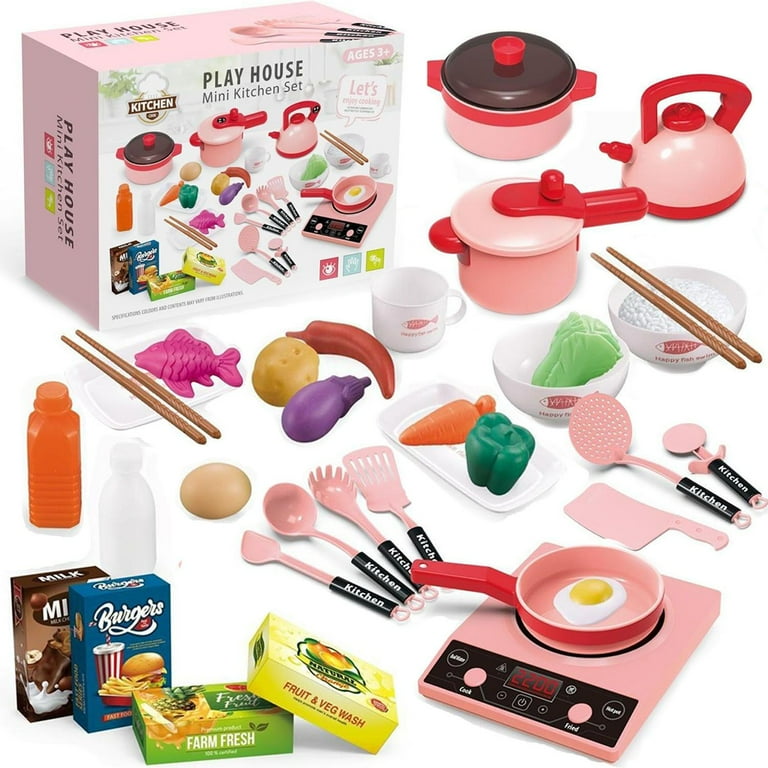
Credit: www.walmart.com
Frequently Asked Questions
What Are The Benefits Of Kitchen Play In Early Years?
Kitchen play boosts creativity and imagination in children. It enhances social skills through role-playing activities. Kids develop fine motor skills by handling utensils. It fosters language development as they learn new words. Problem-solving skills are honed by planning pretend meals.
Such play encourages cooperation, sharing, and teamwork among peers.
Why Is Mud Kitchen Play Important In Early Years?
Mud kitchen play enhances sensory development and creativity in early years. It boosts fine motor skills and social interaction. Children learn problem-solving and imaginative play. Engaging with nature fosters emotional well-being and independence. Mud kitchens provide a fun, educational outdoor activity, promoting holistic growth in young children.
Is 4 Too Old For A Play Kitchen?
No, 4 is not too old for a play kitchen. Children at this age enjoy imaginative play. Play kitchens enhance creativity, social skills, and cognitive development. They offer endless fun and learning opportunities. Many kids continue to enjoy play kitchens until 6 or older.
Investing in one is beneficial for growing minds.
What Are The Learning Outcomes Of Kitchen Role Play?
Kitchen role play enhances creativity, teamwork, and communication skills. It boosts problem-solving abilities and teaches basic culinary techniques. Kids learn about nutrition, safety, and organization, fostering independence and confidence.
Conclusion
Kitchen playsets offer many benefits for 4-year-olds. They spark creativity and imagination. Children learn basic cooking skills while playing. Social skills grow through pretend play with others. Kids also develop language abilities by naming utensils and foods. Fine motor skills improve through handling small play items.
Kitchen playsets provide endless fun and learning opportunities. Parents can enjoy watching their children explore and grow. These playsets are a valuable addition to any child’s playtime. Choosing a kitchen playset means investing in your child’s development. A simple toy with lasting benefits.