
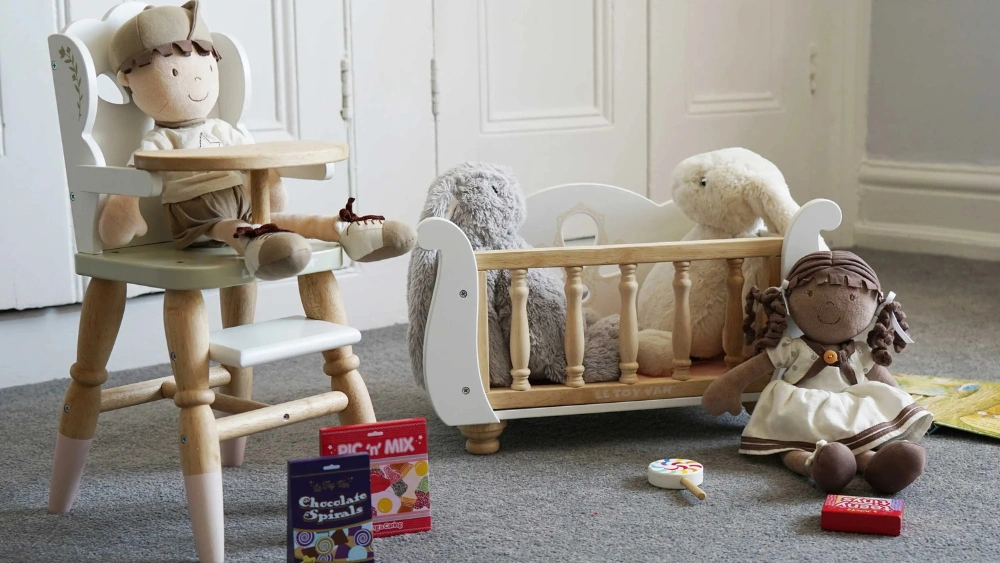
Are you eager to spark your baby’s imagination and support their early development? Role-play toys for 0-year-olds might be the perfect solution.
These toys are more than just colorful objects; they are tools that help your little one learn about the world around them. By introducing these toys, you can engage your baby’s senses, encourage their curiosity, and lay the foundation for critical skills.
Imagine watching your child explore and grow with every playful interaction. Curious about how these toys can benefit your baby and how to use them effectively? Keep reading to discover how you can turn playtime into an enriching experience for your newborn.
Benefits Of Role-play Toys
Role-play toys help 0-year-olds explore their environment through touch and interaction. They boost sensory development and imagination. These toys also encourage social skills and early learning through simple play activities.
Role-play toys offer many advantages for babies. They help stimulate the child’s senses and encourage imagination. These toys are not just for fun. They also support learning and development. Let’s explore the benefits of role-play toys for 0-year-olds.
Enhances Sensory Development
Role-play toys engage a baby’s senses. They often come in different textures, colors, and sounds. This helps babies explore their surroundings. Sensory play is crucial for brain development. It builds nerve connections in the brain pathways.
Boosts Imagination
Even at a very young age, imagination starts to bloom. Babies use role-play toys to explore new scenarios. This sparks creativity and enhances cognitive skills. Imagination is the foundation for problem-solving and critical thinking.
Encourages Social Interaction
Role-play toys can encourage social play. Parents and siblings can join in the fun. This interaction helps babies understand social cues. It teaches them about sharing and empathy.
Builds Motor Skills
Handling toys improves hand-eye coordination. It aids in developing fine motor skills. Babies grasp, push, and pull toys, strengthening their muscles. These activities prepare them for more complex tasks later.
Promotes Language Development
Role-play toys often introduce new words. Babies hear and mimic sounds. Parents can narrate actions, enriching the baby’s vocabulary. Early exposure to language is vital for communication skills.
Supports Emotional Growth
These toys help babies express emotions. They learn to navigate feelings like joy or frustration. Emotional play fosters resilience. It helps them manage emotions in real-life situations. `

Credit: www.amazon.com
Choosing Safe And Suitable Toys
Choosing safe and suitable toys for 0-year-olds is crucial. Babies explore the world through their senses. Toys play a significant role in their early development. Safety and suitability are top priorities for parents. Selecting the right toys ensures a safe, engaging playtime. Let’s explore how to choose wisely.
Research Age-appropriate Toys
Toys should match the baby’s developmental stage. Always check age recommendations on packaging. This ensures the toy is designed for your baby’s age. Avoid toys meant for older children. They might have small parts that are choking hazards.
Prioritize Non-toxic Materials
Babies often put toys in their mouths. Ensure toys are made from non-toxic materials. Look for labels stating BPA-free or phthalate-free. Wooden toys with non-toxic paint are also good choices.
Avoid Small Parts
Small parts can be dangerous for babies. Toys should be large enough to prevent choking. Use a toilet paper roll to test. If a toy fits through, it’s too small.
Check For Sturdy Construction
Babies are curious and sometimes rough. Toys should withstand pulling and chewing. Check for sturdy construction. Avoid toys with loose or easily detachable parts.
Look For Educational Value
Toys should aid learning and development. Choose toys that stimulate senses. Bright colors, textures, and sounds engage babies effectively. Simple puzzles and blocks can help develop motor skills.
Consider Washability
Toys should be easy to clean. Babies drool and spill often. Washable toys help maintain hygiene. Check labels for cleaning instructions.
Creative Play Ideas
Introduce role-play toys to 0-year-olds by offering safe, colorful options that stimulate senses. Encourage exploration through soft dolls, plush animals, and textured items. These toys help develop early cognitive and social skills.
Creative play with role-play toys for 0-year-olds can be a delightful experience for both you and your baby. These toys are designed to engage your child’s senses and stimulate their budding imagination. As you introduce them to these simple yet exciting toys, you’ll find numerous ways to foster their development and strengthen your bond.
Using Soft Toys For Sensory Exploration
Soft toys are perfect for newborns as they are gentle on the skin. Encourage your baby to touch and feel different textures. This is not just about play; it’s their first step into understanding the world around them. You might notice their fascination with furry or crinkly textures. Share your observations with them; your voice matters.
Interactive Play With Rattles And Bells
Rattles and bells offer auditory stimulation. Shake them gently and watch your baby’s reaction. They learn cause and effect by seeing the noise created when the toy moves. Think of this as a simple yet effective way to introduce them to basic concepts. How does your baby react to different sounds? Let their curiosity guide you.
Puppets For Early Communication
Puppets can be a playful way to introduce basic communication. Use them to make simple sounds or gestures. Your baby might not understand words yet, but they can respond to expressions and tone. Does your puppet make them smile or babble? Engage them in mini interactions, and you’ll soon see their personality shine through.
Colorful Blocks For Visual Stimulation
Even at this age, colorful blocks can catch their eye. Stack them up and let your baby watch them tumble. This visual activity is more than just fun; it’s a way to develop their tracking ability. As you play, notice their gaze; they might follow each block’s movement. Are they showing preference for certain colors?
Role-play With Miniature Figures
Introduce your baby to miniature figures with big, friendly faces. These toys can become characters in your stories. Make simple sounds or actions with them. This is how your baby begins to understand social cues. What kind of stories can you create together? Let your creativity take the lead. These creative play ideas are more than just games; they are building blocks for your baby’s growth. By focusing on their reactions and interests, you create a nurturing environment. What other playful activities can you share with your little one? Dive into these moments—they’re fleeting but filled with potential.

Credit: www.walmart.com
Credit: www.tiktok.com
Frequently Asked Questions
At What Age Do Kids Start Role Playing?
Kids typically start role playing around ages 3 to 5. This activity helps develop creativity and social skills. Encourage pretend play with costumes and props for enhanced learning. Role playing fosters imagination and emotional understanding, aiding cognitive growth. Children often imitate adults, exploring various scenarios through play.
What Age Do Kids Play Roleplay Until?
Children typically engage in roleplay from ages 3 to 12. Individual interests and developmental stages may vary. Roleplay helps kids develop creativity and social skills. Encourage roleplay through games and activities to support their growth.
How Is Pretend Play Developmentally Appropriate?
Pretend play boosts creativity, social skills, and problem-solving abilities. It helps children understand emotions and roles. Through imaginative scenarios, kids develop language skills and cognitive flexibility. Engaging in pretend play enhances memory and provides a safe environment for exploring real-world situations, supporting overall developmental growth.
How Do 0-2 Year Olds Play?
0-2 year olds play through exploration, sensory activities, and imitation. They enjoy toys that stimulate senses, like rattles. Peek-a-boo and simple games enhance social interaction. Physical activities like crawling and stacking blocks develop motor skills. Playing with parents or caregivers strengthens emotional bonds and encourages learning.
Conclusion
Role-play toys spark curiosity in babies. They encourage imagination and early learning. Safe, colorful toys attract their attention. Babies explore textures and sounds through play. These toys support sensory development. Parents should supervise playtime for safety. Engaging with toys boosts bonding moments.
Babies enjoy simple interactions and mimicry. Role-play toys lay foundations for future learning. They also provide endless fun and discovery.